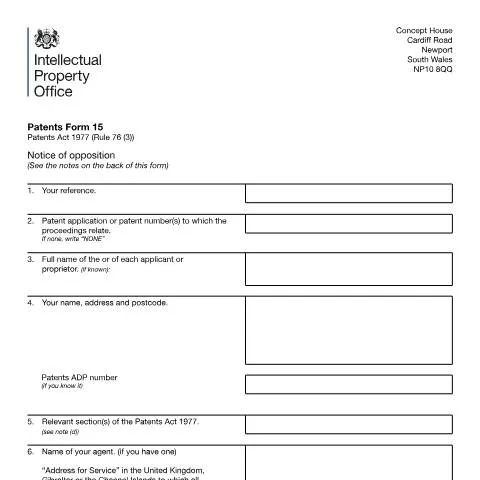
Understanding the Notice of Opposition: A Crucial Step in Patent Proceedings
When navigating the complex landscape of patent law in the UK, it’s essential to understand the tools available to you for challenging patent applications. One pivotal document in this process is the Notice of Opposition to Proceedings before the Comptroller, administered by the Intellectual Property Office (IPO). This document serves as a formal means for parties to contest a patent application or a granted patent based on various grounds established in the Patents Act 1977.
The Process of Filing a Notice of Opposition
Filing a Notice of Opposition is not merely a formality; it is a significant procedural step that lays the groundwork for any subsequent legal actions regarding patent disputes. Here’s an overview of the steps involved in effectively submitting your notice:
- Identify the Patent Application: Begin by specifying the patent application or patent number that you are opposing. If no number is available, simply indicate “NONE.” This identification is crucial for the IPO to link your opposition to the correct proceedings.
- Provide Relevant Details: Fill in your full name and address, as well as that of any applicants or proprietors involved. If you are represented by an agent, their details should also be included. This information is critical for all future correspondence.
- Reference Appropriate Sections: Clearly indicate the relevant sections of the Patents Act 1977 under which you are filing your opposition. This specificity ensures that you are invoking the correct legal grounds to substantiate your claim.
- Signature and Payment: Finally, ensure that the form is signed and dated, and include payment details or proof of payment as this is essential for processing your notice. Without these elements, your submission may be deemed incomplete.
Key Grounds for Opposition
The Patents Act 1977 provides several grounds upon which a party can oppose a patent application. Understanding these can help you formulate a robust opposition:
- Insufficient Novelty: If the invention lacks novelty, meaning it is not new compared to existing public knowledge, this is a valid ground for opposition.
- Lack of Inventive Step: Argue that the patent does not involve an inventive step, which is a key requirement for patentability. This generally means that the invention is obvious to someone with knowledge and experience in the relevant field.
- Insufficient Disclosure: The application must adequately describe the invention. If it does not provide enough detail for a skilled person to replicate the invention, you may have grounds for opposition.
- Non-patentable Subject Matter: Some inventions fall outside the realms of what can be patented (e.g., abstract ideas). Highlighting this can strengthen your position.
Interconnected Documents in Patent Proceedings
While the Notice of Opposition stands alone, it often interacts with other documents throughout the patent process. Familiarity with these connections can provide clarity:
| Document | Purpose |
|---|---|
| Statement of Grounds | Accompanies the Notice of Opposition, detailing the legal and factual basis for the opposition. |
| Notice of Appeal | Submitted if the opposition results in an unfavorable decision, allowing the opponent to challenge that decision. |
| Written Arguments | Further elaboration of your position, submitted during the opposition proceedings to support your case. |
Practical Considerations: Step-by-Step Guidance
Here’s a more detailed breakdown of how to utilize the Notice of Opposition, emphasizing practical aspects.
- Review the Patent Application: Before proceeding, thoroughly examine the application you wish to oppose. Gather relevant publications and patents that demonstrate prior art.
- Consult Legal Expertise: Engaging with a patent attorney can provide essential insights. They can help frame your arguments and ensure compliance with procedural norms.
- Complete the Opposition Notice: Fill out the Notice of Opposition accurately. Each entry should be concise yet comprehensive, ensuring no key detail is overlooked.
- File with the IPO: Submit your completed Notice of Opposition in duplicate, along with the Statement of Grounds, and proof of payment. The IPO requires dual submissions to maintain proper records.
- Prepare for Further Correspondence: Once filed, be prepared for further exchanges of communication with the IPO and the applicant. Ensure that all correspondence is well documented.
Limitations and Considerations of the Notice of Opposition
While the Notice of Opposition is a powerful tool, it has its limitations. Understanding these can help set realistic expectations:
- Time Constraints: The deadline for filing a Notice of Opposition is typically within nine months from the publication date of the patent application. Missing this window can preclude your ability to oppose.
- Cost Implications: There are fees associated with filing the Notice. It’s essential to budget for these costs, as well as potential legal fees, should you require further assistance.
- Outcome Uncertainty: Engaging in opposition proceedings does not guarantee a favorable outcome. The decision rests with the IPO and can be influenced by various factors, including the strength of your arguments and the applicant’s response.
Common Misconceptions Regarding the Notice of Opposition
Debunking common myths surrounding the Notice of Opposition can help potential opposers better navigate the process:
- It’s a Guaranteed Success: Many believe that filing an opposition will automatically lead to the rejection of the patent. This is not the case; the IPO evaluates each opposition on its merits.
- Only Competitors Can Oppose: While competitors frequently use this tool, any party with an interest in the patent may file an opposition, including individuals, organizations, or even government entities.
- Once Filed, It Cannot Be Withdrawn: Opposers can withdraw their Notice of Opposition at any point before the final decision is made, should they choose to do so.
Data Privacy and Compliance in Filing
Filing a Notice of Opposition involves submitting personal and sensitive information to the IPO. The Data Protection Act 2018 and the UK GDPR govern how this data is handled. Here are some crucial points to remember:
- Data Minimization: Only provide information that is necessary for the process. Avoid submitting extraneous personal data.
- Secure Communication: When sending your Notice, use secure methods of communication, such as encrypted emails, if submitting electronically.
- Understand Your Rights: Familiarize yourself with your rights regarding data access and rectification. You can request clarification on how your data is being used by the IPO.
Final Thoughts: Navigating the Opposition Landscape
Engaging in the patent opposition process through the Notice of Opposition is a significant undertaking that requires careful planning, legal insight, and strategic thinking. It is advisable to remain informed about the procedural norms and developments within the patent landscape to ensure that your rights and interests are adequately protected throughout the process.
Understanding the Grounds for Filing a Notice of Opposition
When considering filing a Notice of Opposition in proceedings before the Comptroller, it is crucial to understand the specific grounds that can substantiate your opposition. The primary legislation that governs this process, the Trade Marks Act 1994, outlines several bases for opposition, including but not limited to:
Absolute Grounds for Refusal: These encompass situations where the trade mark is devoid of distinctive character, is descriptive of the goods and services, or is contrary to public policy or accepted principles of morality. For example, if the trade mark is a common term in your industry, you may argue that it cannot function as a source identifier.
Relative Grounds for Refusal: This is pertinent when your earlier rights may conflict with the application being opposed. If you can demonstrate that there is a likelihood of confusion with an existing trade mark, you will strengthen your case. This often involves conducting a comprehensive search of existing registered marks, especially those that are similar in appearance or sound, as well as those that cover related goods or services.
Non-Compliance with Registration Requirements: You may also oppose an application on the basis that the applicant has failed to meet specific requirements set forth by the Intellectual Property Office (IPO), such as improper filing procedures or inadequate payment of fees. It is essential to meticulously review all aspects of the application to identify any procedural missteps.
Lack of Genuine Use: If you oppose a trade mark based on your prior registration, you might also argue that the applicant does not have a genuine intention to use the mark in commerce. Providing evidence of your active use of your trade mark can be a compelling factor during the opposition process.
Gathering substantial evidence to support your grounds for opposition is imperative. This may include sales figures, marketing materials, and customer testimonials that demonstrate your brand's established presence in the market.
Procedure for Filing an Opposition
Filing a Notice of Opposition is a formal process and requires adherence to the specific procedures outlined by the IPO. Here’s a structured approach to filing an opposition:
Timeline Awareness: You have a strict timeline to file your opposition. The opposition period begins when the application is published in the Trade Marks Journal and typically lasts for two months. However, this period can be extended by an additional month if you request it within the initial two-month timeframe.
Form Completion: The Notice of Opposition must be completed using Form TM7. This form requires detailed information, including your name and address, details of the trade mark you are opposing, and the grounds for your opposition. It is crucial that you provide comprehensive yet clear information to avoid the possibility of your opposition being dismissed on technical grounds.
Filing Fee Payment: Alongside the submission of the Form TM7, a fee must be paid. The fee structure can vary, and it is essential to check the latest fees on the IPO’s official website to ensure compliance. This fee must be paid at the time of filing, and failure to do so could result in dismissal of your opposition.
Supporting Evidence: After filing the Notice of Opposition, you will need to prepare and submit evidence supporting your claims. This evidence should be detailed and organized, as the opposing party will have the opportunity to respond and provide counter-evidence. The IPO expects clear and compelling evidence to substantiate your claims, so gathering witness statements, sales documentation, and marketing materials is advisable.
Hearing Procedures: If the opposition progresses to a hearing, it is essential to be prepared to present your case effectively. This may involve legal representation, where a barrister or solicitor can advocate on your behalf, especially if your case involves intricate legal arguments or substantial evidence.
Decision Notification: After the hearing, the IPO will notify both parties of their decision, and there are provisions for appeal if you are dissatisfied with the outcome. Understanding the ramifications of the decision and exploring potential next steps—such as filing for appeal—will be crucial during this phase.
Fill in your form directly online
No printing: type your details into the boxes of the official form, tick, then download the PDF ready to send.
- 1Type into the form boxes
- 2Tick in one click
- 3Save and download the PDF
Navigating the procedure for filing an opposition can be complex, and thorough preparation is vital to increasing your chances of success.
Implications of a Successful Opposition
When you successfully file a Notice of Opposition and the IPO rules in your favor, the implications can be significant for both parties involved. Understanding these implications is critical in evaluating the strategic outcomes of your opposition.
Preservation of Brand Identity: A successful opposition serves to protect your brand identity and market position. It prevents the registration of a conflicting trade mark that could lead to consumer confusion. As a result, your established goodwill and reputation remain safeguarded, allowing you to continue leveraging your brand without the threat of infringing on a similar trade mark.
Market Positioning: Winning an opposition can reinforce your standing in the marketplace. It signals to competitors that you are vigilant about protecting your intellectual property rights. This can deter future applications that may pose a threat to your existing trade marks, as potential applicants will take notice of your proactive approach.
Financial Implications: While there may be costs associated with filing and defending an opposition, a successful outcome can save you from future losses associated with brand dilution or market confusion. Additionally, you may be able to recover certain legal costs, depending on the specifics of the case and any agreements made during the proceedings.
Future Enforcement Actions: A successful opposition may provide you with leverage in future enforcement actions. If you later encounter an infringement of your trade mark, having a history of successful oppositions can demonstrate your commitment to enforcing your rights, which may lead to more favorable settlements or outcomes in subsequent legal actions.
Public Perception: Success in opposition proceedings can positively impact public perception. It demonstrates to consumers, partners, and stakeholders that you are committed to maintaining the integrity of your brand. This can foster trust and loyalty among your customer base, reinforcing your brand’s image as a reliable and authoritative entity in your sector.
Subsequent Strategy Development: Post-opposition, businesses often reevaluate their branding strategies and intellectual property portfolios. The insights gained from the opposition process can inform future decisions regarding new market entries, potential rebranding efforts, or the acquisition of additional trade marks. This strategic outlook can enhance your business's resilience and adaptability in a competitive landscape.
In conclusion, comprehending the implications of a successful opposition provides a clearer picture of how to engage in the complexities of trade mark law in the UK. It underscores the importance of strategic planning and the need for businesses to maintain vigilant oversight of their intellectual property rights.