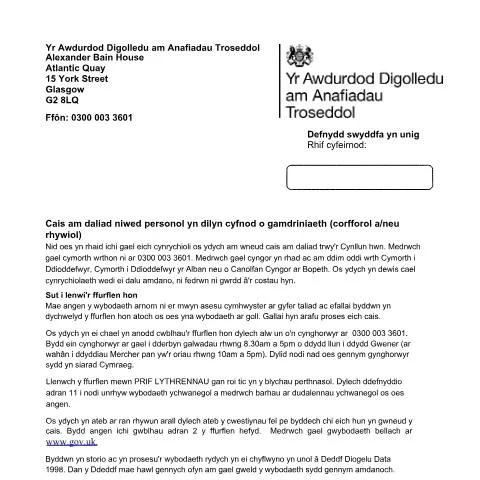
Understanding the Personal Injury Claim Application Process
The Cais am daliad niwed personol yn dilyn cyfnod o gamdriniaeth form is a crucial document for individuals seeking compensation after experiencing personal injury due to violence. This application is submitted to the Criminal Injuries Compensation Authority (CICA), which operates under the Ministry of Justice. Understanding the intricacies of this form is vital for those looking to receive rightful compensation for their suffering.
Eligibility and Key Criteria for Applicants
Before diving into the specifics of filling the form, it’s essential for potential applicants to understand the eligibility criteria. The following points outline the significant aspects that determine whether one can claim compensation:
- Timeframe of the Incident: Was the injury sustained on or before 1 August 1964?
- Location: Were you present in England, Scotland, or Wales during the incident?
- Nature of Injury: Did you suffer physical or psychological harm due to a violent crime?
- Police Reporting: Was the incident reported to the police?
If any of these are answered negatively, the application process might not proceed favorably. It’s advisable to reach out to CICA for clarification if there are doubts about eligibility.
The Application Process: A Step-by-Step Guide
The application process can be daunting, especially for those who have recently experienced trauma. Here’s a structured approach to navigating the process from the initial application to decision:
- Gather Necessary Information: Before filling out the form, ensure all personal details are accurate. This includes your full name, address, contact details, and any relevant identification numbers.
- Complete the Form: Using capital letters, fill out all sections, ticking the relevant boxes. It’s important to provide detailed answers, especially in section 11 where additional information can be noted.
- Attach Relevant Documents: Collect any supporting documentation that may strengthen your application. This can include police reports, medical records, and any other pertinent evidence.
- Submission: Decide whether to submit the form online or via postal service. Ensure to keep copies of everything submitted.
- Follow-Up: After submission, regularly check the status of your application. This can be done by contacting CICA directly.
Common Pitfalls: Mitigating Risks in Your Application
Filling out the Cais am daliad niwed personol form requires attention to detail to avoid delays or refusals. Here are common issues applicants can encounter:
- Incomplete Information: Not providing all requested details can lead to rejection. If any sections are left blank, CICA may return the form for completion.
- Missing Documentation: Ensure that all relevant documents are included with your application. Incomplete submissions can significantly delay the process.
- Inaccurate Responses: Providing false or misleading information can jeopardize your claim. Always ensure the details provided are truthful and accurate.
Addressing Refusals: What Comes Next?
In the unfortunate event of an application denial, it’s essential to understand the steps to take. CICA provides avenues for appealing decisions:
- Understand the Reason for Refusal: Upon receiving the refusal letter, carefully review the stated reasons. This will help determine the next steps.
- Gather Additional Evidence: If the denial was due to lack of evidence or documentation, compile additional support that can strengthen your case.
- Submitting an Appeal: Follow the instructions provided in the refusal notice to appeal the decision. Ensure that your appeal is submitted within the stipulated timeframe.
It may also be beneficial to seek legal advice or assistance from relevant support organizations to enhance the chances of a successful appeal.
The Role of Supporting Documents: Preparation is Key
When completing the Cais am daliad niwed personol form, providing supporting documents is crucial. The following types of evidence may be required:
| Document Type | Description | Why It's Important |
|---|---|---|
| Police Report | A record of the incident as reported to law enforcement. | Proves that the incident was reported which is often a requirement for claims. |
| Medical Records | Documents detailing the injuries sustained and treatment received. | Supports your claim of physical or psychological harm. |
| Witness Statements | Accounts from individuals who were present during the incident. | Can corroborate your version of events, strengthening your application. |
Taking the time to collate these documents thoroughly before submission can significantly impact the success of your application.
Submission Channels: Online vs Paper Applications
Potential claimants can submit their applications through various channels, each with its advantages and disadvantages:
| Submission Method | Advantages | Disadvantages |
|---|---|---|
| Online | Faster processing times and instant confirmation of submission. | Requires internet access and may be challenging for those less tech-savvy. |
| Postal | Accessible for all, more personal touch. | Longer processing times and risk of documents getting lost in transit. |
Understanding these differences can help applicants choose the best method suited to their needs and circumstances.
The Impact of Incomplete Applications: Rights and Responsibilities
Submitting an incomplete application can have significant consequences. It’s crucial to understand the implications:
- Delayed Compensation: An incomplete application can lead to prolonged processing times, delaying any potential compensation.
- Legal Rights: Applicants have the right to appeal a refusal, but this must be properly documented and submitted within a certain timeframe.
- Obligations to Respond: Once CICA receives a claim, they may reach out for additional information. It’s the applicant’s responsibility to respond promptly to avoid further delays.
Being aware of these rights and responsibilities can empower applicants to navigate the process more effectively.
Understanding Personal Injury Claims in the Context of Abuse
When it comes to personal injury claims arising from abuse, the legal landscape can be particularly complex. Victims often face not only the physical and psychological aftermath of their experiences but also a daunting administrative process in securing compensation. The initial step involves determining whether the abuse qualifies under legal definitions pertinent to personal injury claims. In the UK, personal injury claims related to abuse typically involve categories such as physical assault, psychological trauma, and historical sexual abuse.
One of the critical factors in these cases is the burden of proof. Unlike in criminal cases, where the standard is 'beyond reasonable doubt', personal injury claims operate on the 'balance of probabilities' standard. This means that the victim must show that it is more likely than not that the abuse occurred. Gathering evidence can be challenging; hence, it is advisable for claimants to maintain comprehensive records including medical reports, witness statements, and any relevant documentation that can support their case. Consulting a solicitor specialising in personal injury claims can significantly enhance the chances of success.
Another vital aspect to consider is the time limits associated with these claims. Generally, claimants have three years from the date of the incident to file a claim, but in cases of historical abuse, this period can vary. For example, victims who were minors at the time of abuse may have until their 21st birthday to initiate a claim. Understanding these nuances is essential for potential claimants to ensure they do not miss their opportunity for compensation.
The Role of Support Services and Advocacy Groups
The journey of seeking justice and compensation following abuse can be overwhelming, but various support services and advocacy groups are available to assist victims. These organizations can provide invaluable resources, ranging from emotional support and counselling to legal advice tailored to personal injury claims. Groups such as Victim Support and Women's Aid offer guidance on navigating the complexities of the legal system while also addressing the emotional ramifications of abuse.
Additionally, many local councils have dedicated services aimed at supporting victims of abuse. For instance, contacting your local council may lead you to services that facilitate access to legal representation and therapy sessions. The importance of these resources cannot be overstated, as they not only aid in the claims process but also contribute to the overall healing journey of individuals affected by abuse.
Furthermore, many advocacy groups are actively working to raise awareness about the rights of abuse survivors. They often lobby for systemic changes within the legal framework to ensure that victims are treated with the respect and dignity they deserve. Engaging with these organizations can empower victims to reclaim their narratives and advocate for themselves during the claims process.
Compensation for Psychological Harm and its Assessment
A significant aspect of personal injury claims linked to abuse is the compensation for psychological harm. Unlike physical injuries, psychological trauma can be less visible and more challenging to quantify. However, the impact of psychological injury can be profound, affecting an individual’s ability to work, engage in relationships, and maintain overall wellbeing.
To effectively claim compensation for psychological injuries, it's essential for claimants to provide detailed evidence of their psychological condition. This typically involves obtaining a report from a qualified mental health professional, outlining the diagnosis, treatment history, and the ongoing impact of the trauma on the individual’s life. It is crucial that this evidence is comprehensive, as insurance companies and the courts will closely assess it to determine the validity of the claim.
Moreover, the assessment of psychological harm can also encompass various elements, including the severity of the trauma, the length of treatment required, and any impact on daily functioning. Claimants should be prepared to discuss how their experiences have affected their personal and professional lives, as this information will play a crucial role in calculating the appropriate compensation amount.
Finally, understanding the potential for future psychological damage is also important. In many cases, victims may experience long-term effects that require ongoing care. Legal representatives often factor this into claims, ensuring that victims are compensated not only for past and present suffering but also for any future treatment and support they may require.