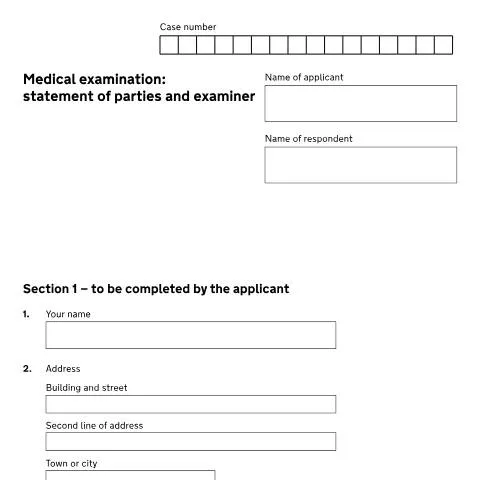
Understanding the D20 Medical Examination Form: Core Functionality in Legal Proceedings
The D20 Medical Examination - Statement of Parties and Examiner serves a crucial role within the framework of legal proceedings, particularly in cases involving family law, such as divorce and child custody disputes. This form is not just a piece of paperwork; it is a formal declaration that contributes to the case's examination by providing essential medical insights relevant to the judiciary. Understanding its purpose and the context in which it operates is vital for both the applicant and the respondent involved in any legal matter requiring a medical evaluation.
Who Completes the D20 Form? Roles and Responsibilities
The D20 form is primarily completed by two parties: the applicant and the designated medical examiner. Each party has distinct responsibilities, and it’s crucial to ensure that all details are accurately filled to avoid complications in the legal process. Here’s a deeper look into these roles:
- Applicant: The individual who initiates the request for a medical examination. This person must provide personal information, including name, address, and case number, alongside a declaration of their status as either the applicant or respondent.
- Medical Examiner: A qualified professional tasked with conducting the medical examination. This party certifies the applicant's statement by signing the D20 form, ensuring that the examination was performed in accordance with the court’s directions.
The Importance of Accurate Completion
Accuracy in filling out the D20 form is not merely a matter of protocol; it can significantly influence the case's outcome. Any discrepancies or omissions could lead to delays in proceedings or even a denial of the application. Therefore, both the applicant and the examiner must meticulously review each section of the form.
Decoding the D20 Form: A Step-by-Step Guide
Let’s dissect the D20 form to understand its various sections and the specific information required.
Section 1: Applicant's Information
This section is to be completed by the applicant, who must provide their:
- Name: This must match the legal name as per other court documents.
- Address: A full residential address is necessary for correspondence.
- Case Number: Essential for identifying the specific legal matter.
Additionally, the applicant must declare their status in relation to the case, affirming whether they are the applicant or respondent. This subsection is critical as it sets the groundwork for the medical evaluation process.
Section 2: Medical Examiner's Certification
The medical examiner fills out this section after conducting the examination. The examiner must provide their:
- Name and Address: This is vital for validating their qualifications and ensuring accountability.
- Date of Examination: The date when the examination was completed should be noted.
By signing the D20 form, the medical examiner certifies that they have witnessed the applicant’s declaration, thereby affirming the integrity of the information provided.
Common Pitfalls: Mistakes to Avoid When Completing the D20 Form
Filling out the D20 form may seem straightforward, but there are common pitfalls that applicants and examiners should be mindful of:
- Omitting Essential Information: Missing a name or incorrect addresses can lead to miscommunication.
- Incorrect Case Number: Double-check the case number; errors here can complicate the processing of the application.
- Signature Issues: Ensure signatures are provided in the designated areas; failure to do so can render the form invalid.
Context and Regulatory Framework Surrounding the D20 Form
The D20 form operates within a broader legal context framed by laws and regulations governing medical examinations in legal proceedings. The process is underpinned by mandates from the HM Courts & Tribunals Service, ensuring compliance with the UK’s judicial framework. Understanding the legal backdrop allows users to appreciate the critical role this document plays in upholding justice.
The Data Protection Act 2018 ensures that personal data collected in the D20 form is handled with care, highlighting the importance of confidentiality and data security within judicial processes.
Special Cases: Navigating Complex Situations with the D20 Form
Not all scenarios involving the D20 form are straightforward. Here are some considerations for unique situations:
- Minors: When the applicant is a minor, guardians may need to complete the form on their behalf, ensuring parental consent and proper representation.
- Foreign Applicants: Individuals from outside the UK may need to provide additional documentation for verification, which could complicate the medical examination process.
- Urgent Requests: In cases where time is of the essence, expedited processing may be required. Clear communication with the medical examiner and legal representatives is crucial.
After Submission: What to Expect Following the D20 Form Submission
Upon submitting the completed D20 form, applicants can expect several administrative processes to unfold:
- Awaiting Review: The court will review the form to ensure that it meets all necessary criteria before proceeding.
- Potential Follow-Up: Incomplete forms may prompt the court to request additional information or clarification.
- Integration into the Case File: Once reviewed, the D20 form will be integrated into the official case file, influencing future proceedings.
What If There's a Problem? Addressing Errors or Missing Information
Errors on the D20 form or missing information can lead to complications. Here’s what to do:
- Contact the Relevant Authority: Reach out directly to the HM Courts & Tribunals Service for guidance on rectifying any errors.
- Submit Corrected Information Promptly: If additional information is requested, provide it as soon as possible to avoid delays.
- Keep Records: Maintain copies of all submissions and communications related to the D20 form for your records.
Practical Implications: Rights and Obligations Associated with the D20 Form
Filling out the D20 form is not merely a procedural exercise; it carries significant rights and obligations for those involved:
- Right to Privacy: Applicants have a right to their personal data being handled securely and confidentially.
- Obligation to Provide Accurate Information: Failure to provide accurate information could lead to legal ramifications, including potential dismissal of the case.
- Impact on Legal Outcomes: The information contained within the D20 form can directly impact decisions made by the court regarding custody, divorce settlements, and other legal matters.
Final Considerations: Empowerment Through Informed Participation
The D20 Medical Examination form is a vital component of the legal process, facilitating a thorough and fair examination of medical claims within the context of family law. Both applicants and medical examiners play a crucial role in ensuring that the document is completed accurately and submitted promptly. By understanding the nuances of this form, parties can navigate their legal proceedings with greater confidence, ultimately contributing to a more cohesive judicial process.
Understanding the Medical Examination Process for Form D20
The Form D20 is integral to various legal and administrative proceedings in the UK, particularly concerning personal injuries or health-related claims. Understanding the medical examination process associated with this form can significantly impact your case or claim outcome. The medical examination helps establish the credibility of the applicant's claims, addressing the extent of injuries or health issues in question.
Firstly, it’s essential to know that the medical examination will typically be conducted by a qualified medical professional, often referred to as an 'expert witness' in legal contexts. This expert must have relevant specialisations that directly relate to the medical condition or injuries being claimed. This adds a layer of credibility to the findings reported in Form D20.
During the examination, the medical expert will evaluate the claimant's physical and mental condition, discuss medical history, and review any existing medical documentation. This process is comprehensive and may involve various diagnostic tests, interviews, and assessments. It’s crucial for individuals undergoing such examinations to be honest and thorough when discussing their medical history, as inaccuracies can lead to complications in the claims process.
The outcomes of the medical examination will be documented in the Form D20, and these findings can heavily influence the decisions made by HM Courts & Tribunals Service or other authorities involved in the matter. If a claimant disagrees with the findings, they have the right to seek a second opinion, although this may require additional forms to be completed and could extend the overall timeline of the case.
In summary, being well-prepared for the medical examination and understanding its implications can lead to a more favourable outcome in legal proceedings. Claimants should ensure they are aware of their rights and responsibilities throughout the process to make the best possible case for their situation.
How to Complete Form D20: A Step-by-Step Guide
Completing Form D20 accurately is paramount for ensuring that your medical examination results are represented correctly in legal proceedings. Here's a comprehensive step-by-step guide to assist you in the process:
Step 1: Gather Relevant Information
Before filling out the Form D20, collect all pertinent information, including your personal details, National Insurance number, and details regarding your medical history. It’s also advisable to have any previous medical reports handy, as these may be referenced during the examination.
Step 2: Fill in Personal Details
In the first section of the Form D20, you will need to provide your name, address, contact information, and National Insurance number. Ensure that all details are accurate, as errors or discrepancies could lead to delays in the processing of your claim.
Fill in your form directly online
No printing: type your details into the boxes of the official form, tick, then download the PDF ready to send.
- 1Type into the form boxes
- 2Tick in one click
- 3Save and download the PDF
Step 3: Describe the Medical Condition
The next section requires you to describe the medical condition or injury you are claiming. Be as specific as possible, including when the condition began, the circumstances surrounding it, and how it has affected your daily life. The more detailed you are, the better the medical examiner can assess your situation.
Step 4: Input Previous Treatments and Care
Include information about any previous treatments, medications, or therapies you have received related to your medical condition. Documenting your treatment history can provide the medical examiner with essential context regarding your case.
Step 5: Details of the Medical Examination
Once the medical examination has taken place, you will need to complete this section of Form D20. It will include details provided by the medical expert about their findings, diagnosis, and any recommendations for further treatment. Ensure that you review this section carefully to confirm it accurately reflects the examination results.
Step 6: Declare Accuracy
At the end of the form, you will be required to declare that all information provided is accurate and true to the best of your knowledge. This declaration is important, as providing false information can have legal ramifications.
Once completed, submit Form D20 to the relevant authority, whether that be a court, tribunal, or other specified bodies. Keeping a copy for your records is also a prudent measure, as it may be referenced in future communications regarding your case.
Potential Outcomes Following Medical Examination and Form D20 Submission
Once Form D20 is submitted and the medical examination has been completed, the outcomes can vary significantly based on the findings and the overall context of your claim. Understanding these potential outcomes can help you navigate the next steps in your case more effectively.
1. Positive Outcome - Claim Approved
If the medical examination supports your claims regarding the injury or medical condition, this can lead to a favourable ruling in your case. The expert's findings documented in Form D20 will serve as a critical piece of evidence to support your claim, potentially resulting in compensation or necessary adjustments to your care.
2. Request for More Information
In some cases, the authorities may require additional information or clarification regarding the findings in Form D20. This could involve a follow-up examination or further documentation to support your case. Responding promptly and thoroughly to such requests is crucial to avoid unnecessary delays.
3. Disputed Findings
If you disagree with the findings of the medical examination, you may have the right to challenge the results. This could involve seeking a second opinion from another medical professional. It is advisable to inform the relevant authority of your intended action to ensure that your case remains active and does not face dismissal due to perceived non-compliance.
4. Case Dismissal
In some unfortunate circumstances, the findings may be unfavourable or insufficiently substantiated, leading to the dismissal of your case. If this happens, you will receive formal communication outlining the reasons for the dismissal. Understanding these reasons is important if you wish to appeal the decision or take further action.
Navigating the outcomes following the submission of Form D20 can be complex, and it may be beneficial to seek advice from legal professionals who specialise in medical claims or personal injury. Their expertise can provide clarity on your situation and help you strategise the best course of action based on the findings of your medical examination.