Navigating the Shift from Humanitarian Protection to Refugee Status
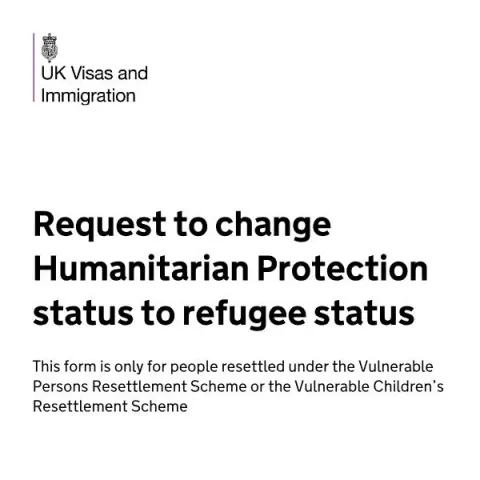
The journey to secure refugee status in the UK can feel overwhelming, particularly for individuals who have initially been granted Humanitarian Protection. For those resettled under the Vulnerable Persons Resettlement Scheme or the Vulnerable Children’s Resettlement Scheme, transitioning to refugee status is an essential step that can enhance stability and security. This article dives deep into the specific Request to Change Humanitarian Protection Status to Refugee Status form, outlining its role, procedural steps, and tips for effective navigation.
Understanding the Importance of the Application Process
Transforming your status from Humanitarian Protection to refugee status is not merely a procedural change; it signifies a shift in your legal standing and rights within the UK. This change can open doors to greater opportunities, including access to public funds, the right to work, and unencumbered travel abroad.
- Legal Recognition: Achieving refugee status provides more robust legal protections compared to Humanitarian Protection.
- Access to Resources: Refugees can access a broader range of support services, such as housing and healthcare.
- Family Reunification: Refugee status may facilitate easier family reunification, as it often allows immediate family members to join the individual in the UK.
Eligibility Criteria and Key Considerations
Before embarking on the application process, it’s crucial to ensure you meet the eligibility criteria. Not every individual granted Humanitarian Protection can apply for refugee status; you must be resettled under one of the following schemes:
- Vulnerable Persons Resettlement Scheme (VPRS)
- Vulnerable Children’s Resettlement Scheme (VCRS)
Additionally, children born in the UK to parents who arrived under these schemes cannot use this form. Instead, a separate request must be submitted for them, alongside their parents' application.
Detailed Guidelines for Completing the Request Form
Filling out the Request to Change Humanitarian Protection Status to Refugee Status form requires attention to detail. Each applicant, including dependants, must complete a separate form. Here are the key sections to focus on:
- Providing Personal Information: Ensure all biographical details match those on your Biometric Residence Permit (BRP).
- Submitting Supporting Documents: Include your BRP, any national passport, and other essential documents as outlined in the form.
- Biometric Photographs: Attach two recent passport-sized photographs, ensuring one is certified by a professional.
Make sure to review the checklist provided at the end of the form to confirm you have compiled all necessary information.
Submitting Your Application: Methods and Best Practices
Once the form is completed, the next step is to submit it correctly. The submission process is as critical as filling out the form itself. You may send your application through the following methods:
| Submission Method | Pros | Cons |
|---|---|---|
| Royal Mail Signed For | Provides tracking for peace of mind. | May take longer than other methods. |
| Special Delivery | Fast and secure; next-day delivery guaranteed. | Higher cost compared to regular mail. |
It’s vital to send your application to the specified address:
Refugee Leave Requests 5th Floor, Lunar House 40 Wellesley Road CROYDON, CR9 2BY
Be cautious not to send the form to any other address, as this could delay your request.
After Submission: What to Expect from the Process
The waiting period following your application can be a time of uncertainty. The UK Visas and Immigration (UKVI) will review your submitted form and supporting documents, including checking your details with the police and other government departments. Here’s what the process typically entails:
- Processing Time: Expect a processing period that can vary, though UKVI aims to handle requests expediently.
- Notification of Decision: You will receive written notification of your application outcome. If successful, a new Biometric Residence Permit will be issued, confirming your refugee status.
- Certificates and Travel Documents: If applicable, your Certificate of Travel will be replaced with a UN 1951 Convention Travel Document.
Monitor your application status by keeping your tracking number and be prepared to respond promptly if UKVI requests additional information.
Addressing Potential Challenges: Errors and Missing Documents
It is not uncommon to encounter hurdles during the application process. Missing information or documents can lead to delays or even refusals. If your request is refused, you will receive a letter explaining the decision and any potential avenues for appeal. Here’s how to handle such situations:
- Rectifying Errors: If you realize you have made an error after submission, you can notify UKVI immediately with a written request.
- Missing Documents: If your application is incomplete, you may receive a request for additional documents. Respond promptly to avoid further delays.
- Appeal Process: Understand your rights to appeal if your application is denied. Seek legal advice to navigate this process effectively.
Special Situations: Navigating Unique Cases
Certain applicants may face unique challenges when applying for refugee status. Understanding how to navigate these situations can be pivotal:
- Minors: If you are applying on behalf of a minor, ensure you have appropriate documentation regarding their status and parental consent.
- Complex Cases: Situations involving criminal records or previous immigration issues require careful documentation. Consulting legal experts in these cases is recommended.
- Urgent Situations: If you face immediate threats or emergencies, communicate the urgency in your request. This may affect the handling of your application.
Conclusion: Ensuring a Smooth Transition
Transitioning from Humanitarian Protection to refugee status is a significant step towards a more secure future in the UK. By understanding the ins and outs of the application process and being well-prepared, you can navigate this path with greater confidence. Remember, the UK Visas and Immigration is there to facilitate this change, so stay informed and proactive throughout the journey.
Understanding the Criteria for Refugee Status in the UK
In the UK, obtaining refugee status is not merely a matter of filling out forms; it is a complex process governed by strict legal definitions and criteria. The 1951 Refugee Convention underpins the UK's obligations towards asylum seekers and outlines who qualifies for refugee status. According to this convention, a refugee is someone who has a well-founded fear of persecution based on five specific grounds: race, religion, nationality, membership in a particular social group, or political opinion.
When requesting to change your humanitarian protection status to refugee status, it is crucial to demonstrate that your fear of persecution is both credible and substantiated. This means providing substantial evidence, which may include:
Personal Testimonies: Detailed accounts of your experiences that led to your original claim for humanitarian protection. This should include any threats you faced, incidents of violence, or other forms of persecution.
Country Reports: Official reports from reputable sources such as the Home Office or non-governmental organizations that document the situation in your home country. These reports should detail the risks faced by individuals in your specific circumstances.
Witness Statements: Statements from individuals who can corroborate your experiences, whether they are friends, family members, or community leaders, can strengthen your application.
It's important to clearly articulate how your situation has changed since you were granted humanitarian protection. Changes can involve new threats, worsening conditions in your home country, or even legal changes that affect your safety. Keep in mind that your claim will be assessed based on the current situation in your home country, not just your past experiences.
The Application Process: Step-by-Step Guidelines
Transitioning from humanitarian protection to refugee status involves a structured application process. Understanding each step is essential to ensure compliance with UK immigration law. Below, we outline the critical stages of the application process:
Gathering Documentation: Before submitting your request, ensure that you have all necessary documents ready. This includes your current humanitarian protection documentation, identification documents, and evidence supporting your fear of persecution. You may also need to provide any additional forms that could substantiate your claim.
Submitting Your Request: You will need to formally submit your request to the Home Office. This is typically done using the ‘Application for asylum’ form, where you can indicate your desire to change your status. Ensure you fill out the form accurately, as any discrepancies can delay your application.
Fill in your form directly online
No printing: type your details into the boxes of the official form, tick, then download the PDF ready to send.
- 1Type into the form boxes
- 2Tick in one click
- 3Save and download the PDF
Interview Process: After submitting your request, you may be invited for an interview with a caseworker from UK Visas and Immigration (UKVI). This is a critical step where you will outline your reasons for the change in status. Prepare thoroughly for this interview by reviewing your application and being ready to discuss the evidence you’ve submitted.
Awaiting the Decision: After the interview, the Home Office will take time to consider your application. Decisions can take several weeks or even months. During this period, it's advisable to keep a record of your case reference number and any correspondence with the Home Office.
Receiving the Decision: Once a decision has been made, you will receive a notification detailing the outcome. If your application is successful, you will be granted refugee status. If not, you may have the option to appeal the decision.
Remember, it is crucial to keep the Home Office informed of any changes in your address or circumstances while your application is pending.
Understanding Your Rights and Responsibilities Once Granted Refugee Status
If your request to change from humanitarian protection to refugee status is granted, it is important to understand your rights and responsibilities as a refugee in the UK. This status affords you certain protections, but it also comes with expectations.
Rights: As a refugee, you will have the right to live, work, and study in the UK without restrictions. You will also have access to public funds, including housing support, healthcare, and education services. It’s essential to register with a GP (General Practitioner) to access the National Health Service (NHS).
Responsibilities: Holding refugee status does not exempt you from obeying UK laws. You are expected to integrate into society, learn English if you are not proficient, and contribute positively to your community. Additionally, you are required to inform the Home Office of any significant changes in your personal circumstances, such as marital status or changes in your address.
Pathway to Permanent Settlement: After living in the UK as a refugee for five years, you may be eligible to apply for indefinite leave to remain (ILR). This is an important step toward establishing your permanent residency. You will need to prove your continued residence, good character, and understanding of the English language.
Community Support: Many local organizations and charities are dedicated to supporting refugees and asylum seekers in the UK. Engaging with these groups can provide you with additional resources and guidance during your transition, including legal advice, employment training, and community integration initiatives.
Navigating the complexities of immigration law can be daunting, but understanding your rights and responsibilities will empower you to make informed decisions about your new life in the UK.