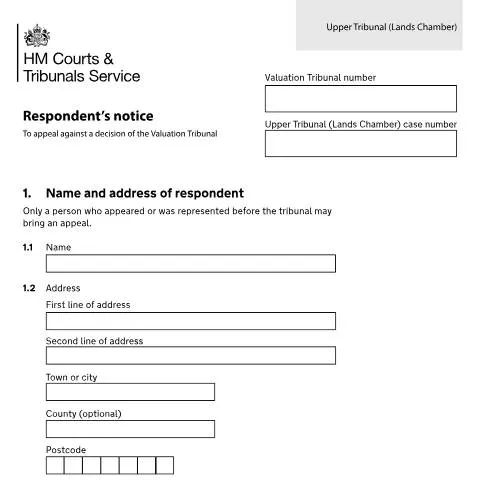
Navigating the Respondent's Notice: Form T386 in Valuation Tribunal Appeals
When involved in disputes regarding property valuations, particularly in the context of appeals to the Upper Tribunal (Lands Chamber), understanding the procedural documents is crucial. One such document is the Respondent's Notice: Form T386, which serves as a critical instrument for respondents wishing to challenge appeals against decisions made by the Valuation Tribunal. Here, we delve into the complexities of Form T386, outlining its contents, significance, and practical application within the appeals process.
Understanding the Role and Function of Form T386
Form T386 is not merely a procedural document; it encapsulates a respondent's opportunity to articulate their stance regarding an appeal. A critical aspect of this notice is that it must be filed by an individual who has actively participated in the original tribunal proceedings. This stipulation underscores the importance of prior involvement—only those who have been present or represented in the initial hearings can submit this notice, ensuring that the tribunal's decisions are challenged by informed parties.
Key Sections of the Respondent's Notice
- Respondent Information: This section requires essential details about the respondent, including name, address, and contact information. If the respondent is represented, the representative's details must also be provided.
- Grounds of Appeal: This crucial portion demands a clear articulation of the reasons opposing the appeal, alongside any pertinent valuation details and comparable properties.
- Expert Evidence: If the respondent intends to rely on expert testimony, this section must specify the witnesses and their areas of expertise.
- Declaration and Signature: A formal declaration indicating the adherence to filing protocols and responsibility for case conduct must be signed by the respondent.
Step-by-Step Guidance for Submitting the Respondent's Notice
Completing and submitting Form T386 requires careful attention to detail. Below is a structured approach to navigate this process:
- Gather Necessary Information: Compile all relevant details, including your name, address, and that of your representative if applicable.
- Detail the Grounds of Appeal: Provide a comprehensive statement outlining your opposition to the appeal. This should include all valuations and any comparable cases that bolster your argument.
- Consider Expert Evidence: If applicable, identify any expert witnesses whose evidence will support your case. Ensure you have their consent and expertise detailed.
- Review the Guidance: It’s advisable to read the attached guidance carefully, ensuring you understand the procedures—whether standard or special.
- Complete the Declaration: Verify that you agree to the terms laid out in the declaration section and sign appropriately.
- Submit the Notice: Send your completed notice, ensuring all communications are directed through the appropriate channels, either electronically or via post.
The Nuances of Grounds of Appeal
When filling in the grounds for opposing an appeal in Form T386, it is crucial to grasp the nuances involved. This section is not merely a formality; it acts as a foundation for your argument against the appeal. Here are important considerations:
- Detailing Valuations: Clearly outline every valuation you rely on, including specific computations. The tribunal will scrutinize these details, making clarity paramount.
- Comparable Properties: If you reference comparable properties, include full particulars and clarify the purpose of these comparisons. Failure to do so may weaken your position.
- Responding to Insufficient Details: If you believe the appellant has not fully outlined their grounds, provide a detailed response. Requesting the appellant to file a more comprehensive statement can strengthen your case.
Limitations and Challenges of Form T386
It’s essential to recognise the limitations that come with Form T386. While it provides a structured way to respond to an appeal, challenges can arise, particularly regarding the submission's scope:
- Time Constraints: Respondents must act swiftly, typically required to submit their notice within one month of receiving the appeal notice. Delays can be detrimental.
- Complexity of Legal Language: Legal terminology used in the tribunal can be daunting. Properly interpreting these terms is crucial for effectively framing your response.
- Ensuring Compliance: Adhering to submission guidelines is imperative; non-compliance can lead to dismissal of your notice.
Public Engagement with the Tribunal Process
The applicability of Form T386 extends beyond legal professionals; it is intended for any respondent engaged in the valuation disputes. Therefore, understanding its use is vital for:
- Property Owners: Individuals contesting their property valuations should be well-versed in how to assert their position using this notice.
- Representatives: Surveyors, solicitors, and other professionals acting on behalf of respondents must be adept at navigating this form to effectively advocate for their clients.
- Stakeholders in Property Transactions: Anyone involved in property transactions that hinge on valuation should understand the implications of Form T386.
Common Procedural Questions Regarding T386
As with any official document, respondents often face similar procedural queries. Here are some common questions that may arise:
- What if I miss the deadline for submission? If you submit late, your notice may not be accepted, unless you apply for an extension. This requires providing justification and may incur additional fees.
- Can I change my grounds of appeal after submitting? Changes are possible but can complicate matters. It is advisable to maintain consistency in your assertions unless absolutely necessary.
- What if I need legal advice? Engaging with legal professionals knowledgeable about property valuation appeals is highly recommended. They can provide tailored guidance based on your circumstances.
Conclusion: Mastering Form T386 for Effective Tribunal Engagement
By understanding the specific components and procedural intricacies of Form T386, respondents can effectively navigate the appeals process within the Upper Tribunal (Lands Chamber). A well-prepared notice not only articulates a respondent's position but also serves as a critical tool in ensuring their voice is heard during valuation disputes. Thus, whether you are a property owner or a representative, mastering this document is essential for successful engagement with the tribunal system.
Understanding the Respondent's Notice: Purpose and Importance
The Respondent's Notice, formally referred to as Form T386, is a critical document within the UK legal framework, specifically used in the context of appeals to the Upper Tribunal. This notice is submitted by the respondent when a party appeals a decision made by a lower tribunal. Understanding the purpose and importance of this form is crucial for both legal practitioners and individuals involved in tribunal procedures.
The primary function of the Respondent's Notice is to articulate the respondent's position in relation to the appeal. It allows the respondent to set out their reasons for opposing the appeal, which is vital in ensuring that all parties are appropriately prepared for the hearing. This notice not only helps in clarifying the respondent's stance but also serves to streamline the tribunal process by eliminating unnecessary delays and ensuring that both sides present their cases clearly from the outset.
Moreover, the Respondent's Notice is pivotal in maintaining the integrity of the appeal process. By requiring the respondent to formally outline their objections and counterarguments, it ensures that the appeal is fought on a structured basis, allowing for a fair hearing. The information included in this notice can influence how the appeal is perceived by the tribunal, potentially swaying the outcome based on the clarity and strength of the arguments presented.
Completing Form T386: Key Considerations and Common Pitfalls
Filling out Form T386 correctly is essential for a successful response to an appeal. There are several key considerations to keep in mind when completing this form to avoid common pitfalls that could jeopardise the respondent's position.
Firstly, the form requires detailed information regarding the original decision being appealed. The respondent must clearly identify the decision and provide context surrounding it. This includes, but is not limited to, details about the tribunal in question, the parties involved, and the specific grounds on which the appeal is based. Providing comprehensive information ensures that the tribunal has a complete understanding of the case, which is crucial for fair adjudication.
Another critical aspect is articulating the grounds of opposition effectively. Each ground should be substantiated with clear reasoning, referencing relevant laws, regulations, or previous tribunal decisions to provide a strong legal basis for the opposition. Failure to do so could result in the tribunal dismissing the respondent's position as unsubstantiated, potentially leading to an unfavorable outcome.
It is also essential for respondents to be mindful of the deadlines associated with submitting Form T386. The upper tribunal has strict timelines for submissions, and failing to meet these deadlines can result in the appeal being dismissed outright. Therefore, it is advisable to prepare the form well in advance of the deadline, allowing time for any revisions or additional information that may be necessary.
Lastly, respondents should ensure that they adhere to the guidelines set out by the tribunal regarding the format and style of the submission. This includes using clear, professional language, and avoiding overly complex legal jargon that may hinder understanding. By focusing on clarity and precision, the respondent can effectively communicate their position, enhancing the likelihood of a favorable outcome.
The Role of Legal Representation in Submitting a Respondent's Notice
While individuals have the right to represent themselves in tribunal proceedings, seeking legal representation for completing and submitting Form T386 can greatly enhance the chances of a successful outcome. Legal professionals bring a wealth of knowledge and experience that can be invaluable in navigating the complexities of the tribunal system.
One of the primary advantages of legal representation is the ability to develop a robust legal strategy tailored to the specifics of the case. Legal practitioners are adept at identifying the most compelling arguments to present in opposition to the appeal, as well as understanding the nuances of the law that may impact the tribunal's decision. This strategic insight can be particularly beneficial in cases involving complex legal issues, where misinterpretation of the law could be detrimental to the respondent's position.
Moreover, legal representatives can assist in the meticulous drafting of the Respondent's Notice. Their experience ensures that the document is not only comprehensive but also adheres to all legal requirements, thus reducing the risk of procedural errors that could undermine the case. Additionally, they can provide guidance on the appropriate evidence and documentation to include, bolstering the respondent’s arguments with relevant supporting materials.
Another significant benefit is the ability to effectively communicate with the tribunal and the opposing party. Legal representatives are skilled negotiators and can often facilitate discussions that may lead to amicable resolutions or settlements outside of a formal hearing. This can save valuable time and resources for all parties involved, making the legal process more efficient.
It is also worth noting that engaging a solicitor or barrister can help alleviate the stress associated with legal proceedings. The complexities and emotional burdens of attending tribunal hearings can be overwhelming for individuals, and having a professional advocate can provide reassurance and guidance throughout the process. By focusing on their case while leaving the procedural and legal intricacies to their representative, respondents can approach the tribunal with greater confidence.
Post-Submission Process: What to Expect After Filing Form T386
Once Form T386 has been submitted, the respondent should be aware of several key steps and processes that will unfold as the tribunal considers the appeal. Understanding what to expect can help respondents prepare adequately for the next stages of the appeal process.
After submission, the tribunal will typically acknowledge receipt of the Respondent's Notice and may set a timetable for further proceedings. This communication may outline important deadlines for additional submissions or the hearing itself. Respondents should pay close attention to these timelines, as failure to comply could result in adverse consequences for their case.
The tribunal may also schedule a preliminary hearing, depending on the complexity of the case and the issues raised in the appeal. This preliminary hearing serves to clarify the positions of both parties and may involve discussions regarding the evidence to be presented, the length of the hearing, and any other procedural matters that need addressing. Respondents should be prepared to engage in these discussions, as they can significantly impact the way the appeal is processed.
Additionally, the tribunal may request further information or clarification on certain points raised in the Respondent's Notice. Respondents should be ready to provide any additional documents or evidence that support their arguments, as this could be crucial in establishing a strong case against the appeal.
As the appeal progresses, it is essential for respondents to remain informed and engaged. They should keep track of all correspondence from the tribunal and ensure that they meet any additional requirements promptly. Attendance at the hearing is crucial, as this is the opportunity for both parties to present their case before the tribunal judges. Respondents should prepare thoroughly for this hearing, including rehearsing their arguments and reviewing the evidence to be presented.
Finally, after the hearing, respondents will receive the tribunal’s decision. Depending on the outcome, there may be further avenues for appeal or additional procedures to follow. Understanding the potential next steps ensures that respondents are well-prepared to navigate the legal landscape post-decision, whether it means accepting the verdict or considering subsequent actions.