Understanding the N11D Form: A Critical Tool for Tenants Facing Demotion
The N11D Defence Form, related to the demotion of tenancy and the suspension of the right to buy, plays a pivotal role for tenants in legal situations involving their housing rights. When a landlord initiates proceedings to demote a tenant’s tenancy, this form becomes essential for the tenant to respond effectively. The implications of this process are profound, influencing not only current living arrangements but also future housing opportunities. Completing and submitting this form correctly can significantly affect the outcome of the case.
Who Needs to Submit the N11D Form?
Understanding who is required to complete the N11D form is crucial for tenants facing demotion. Typically, this form must be completed by the tenant who is the defendant in the proceedings. The claim may arise from various allegations, such as breaches of tenancy agreements. The following tenants may need to fill out the N11D:
- Tenants facing demotion of their tenancy due to conduct issues.
- Individuals whose right to buy their property is suspended due to ongoing legal proceedings.
- Any tenant who has been served with notice of a claim regarding their tenancy.
Recognising the Notification of Claims
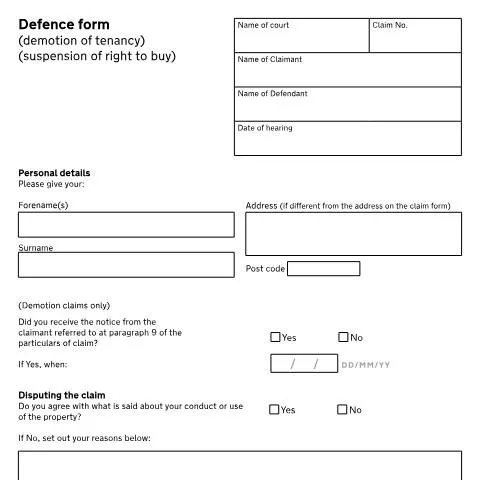
Included within the form is a critical query about whether the tenant received the notice referred to in paragraph 9 of the particulars of claim. Understanding the implication of this notification is essential. If the tenant did receive such notice, they must indicate this on the form and provide the date of receipt. Failing to do so can lead to complications or even dismissal of their defense.
The Role of the N11D Form in Legal Proceedings
The N11D form is not merely a bureaucratic requirement; it is a formal response to a claim lodged by a landlord with HM Courts & Tribunals Service. The form enables the tenant to present their case, providing a structured way to dispute claims against them.
Structure of the N11D Form
This form includes several key sections that facilitate the defense process:
- Personal Details: Tenants must provide their full name, address (if different), and other identifying information.
- Claim Details: The form requests details about the court, including the name of the court, claim number, and relevant dates.
- Disputing the Claim: Tenants can indicate whether they agree with the claims and provide detailed reasons if they do not.
- Statement of Truth: This section underscores the seriousness of providing truthful information, warning about the legal consequences of false statements.
How to Complete the N11D Form: A Step-by-Step Guide
Completing the N11D form requires careful attention to detail. Here’s a concise guide to help tenants navigate the completion process:
- Accurate Personal Information: Fill out your full name, any alternative addresses, and the date of hearing.
- Review the Claim: Carefully read the particulars of the claim and respond accurately to the question regarding the receipt of notice.
- Dispute or Agree: Decide whether you agree with the claims made against you. If disputing, clearly outline your reasons. This section can be crucial in defending your case.
- Signature and Date: Ensure the form is signed by you or a legal representative, including the date of signing.
Preparing Supporting Documents
Although the N11D form itself serves as a primary document, preparing supporting evidence can bolster the tenant’s position. This might include:
- Correspondences with the landlord or housing authority.
- Evidence of conduct or circumstances that counter the landlord's claims, such as witness statements or photographic evidence.
- Any previous agreements or amendments related to the tenancy.
Submitting the N11D Form: What to Know
Once completed, the next step is submission. Tenants must send the N11D form to the court specified in their notice. The court may require submission by a certain deadline, typically before the hearing date. Late submissions can adversely affect the tenant's case.
Methods of Submission
There are generally two accepted methods for submitting the N11D form:
- By Post: Tenants can mail the completed form to the court. It is wise to send it via recorded delivery for proof of submission.
- In Person: Tenants can also deliver the form directly to the court. This allows them to receive immediate confirmation of receipt.
Regardless of the method chosen, keeping a copy of the submitted form is essential for personal records.
What Happens After Submission?
After the N11D form is submitted, the court will process the document and notify the involved parties about the next steps. This may include scheduling a hearing where both the tenant and landlord will present their cases.
Monitoring Your Case Progress
Tenants can track their cases by contacting the court directly. If there are concerns regarding delays or the status of proceedings, querying the court can provide reassurance and clarity.
Handling Potential Outcomes: What to Do in Case of Refusal or Errors
If the tenant's defense is unsuccessful or the court decides against them, it is crucial to understand the potential consequences. Demotion can lead to changes in tenancy conditions, such as reduced rights related to the property. Here’s how to navigate such situations:
- Understanding the Judgment: After a decision, it is vital to comprehend the implications. This may involve seeking legal advice to navigate the consequences.
- Appeal Options: If the decision seems unjust, tenants may explore the possibility of appealing the court's ruling. This typically requires filing a notice of appeal within a specific timeframe.
- Addressing Errors: If an error was made in the submission or the form, tenants should contact the court as soon as possible to rectify the issue.
Linking the N11D Form to Broader Housing Rights
The N11D form sits within a larger framework of housing rights and legal processes. Understanding its context can empower tenants to navigate these challenges more effectively.
Housing Rights in the UK
Tenants are protected under various laws and regulations that govern housing rights, including:
- The Housing Act 1985, which outlines tenant rights regarding secure tenancies.
- The Housing Act 2004, which reinforces the importance of maintaining safe rental conditions.
- Local authority guidelines, which may further refine tenant rights and responsibilities.
By understanding the N11D form’s role within these frameworks, tenants can better advocate for their rights and respond effectively to challenges posed by landlords.
Final Thoughts: Navigating Tenancy Challenges with Confidence
Completing the N11D form is a vital step for tenants facing demotion of their tenancy. By understanding the form, its implications, and the surrounding legal landscape, tenants can take proactive measures to protect their housing rights. It is advisable to seek legal counsel if uncertainties arise during the process, ensuring that they have the best possible representation in their housing matters.
Understanding the Demotion of Tenancy Process
Demoting a tenancy is a serious step that landlords may take when a tenant has breached the terms of their tenancy agreement. This process usually entails moving the tenant from a secure or assured tenancy to a less secure form, potentially impacting their rights and housing security. The Form N11D is a critical part of this process, outlining the grounds for demotion and allowing tenants to respond formally.
Landlords can initiate the demotion if there have been significant breaches, such as anti-social behaviour or serious rent arrears. Before pursuing this route, landlords are often required to follow certain procedures, which may include giving the tenant a chance to remedy the issues cited. It is essential for tenants to understand that a demoted tenancy can affect their eligibility for certain benefits and housing options, including the Right to Buy scheme.
For tenants facing a demotion, it is vital to seek advice from shelters or housing law practitioners. Understanding your rights under the conditions of your current tenancy is fundamental, especially when challenging a demotion or preparing a defence using Form N11D.
Key Considerations When Completing Form N11D
When filling out Form N11D, it is important to address specific sections thoroughly to ensure your defence is robust. Here are several key considerations to keep in mind:
- Grounds for Defence: Clearly articulate your reasons for contesting the demotion. If you believe the allegations made by the landlord are unfounded, lay out your case with precise details and evidence where possible. This may involve gathering witness statements or documenting your compliance with the tenancy conditions.
- Legal Representation: Consider whether you need legal support. While completing the form can be done independently, having a solicitor or a housing advocate can provide invaluable guidance, especially in navigating legal jargon and ensuring all necessary information is included.
- Timelines: Be mindful of deadlines for submitting your defence. The court may have strict timelines within which you must file Form N11D. Missing these deadlines can result in your defence not being considered, so it's crucial to stay organised and proactive.
- Impact on Rights: Reflect on how a demotion may affect your current rights, particularly regarding your right to buy. A demoted tenancy can change your eligibility status, impacting your long-term housing security plans.
The Role of Mediation in Disputes
Mediation can offer a constructive alternative to lengthy court proceedings when disputes arise in tenancy cases. It provides an opportunity for both landlords and tenants to discuss issues in a neutral setting, potentially leading to mutually agreeable solutions. For those facing demotion, mediation might allow tenants to explain their side of the story and negotiate terms without the adversarial nature of court.
In many cases, local councils and housing associations can facilitate mediation services. These services may help establish whether there are underlying issues that can be addressed, such as personal or financial difficulties that could be resolved collaboratively. Engaging in mediation early in the process may not only help preserve the tenancy but can also improve the landlord-tenant relationship moving forward.
It’s essential for tenants to prepare for mediation by gathering relevant information about their situation, understanding their rights, and being ready to propose potential solutions. While mediation is voluntary, it can often lead to more satisfactory outcomes for both parties compared to the rigid confines of legal proceedings.