Navigating the PHI 10 Application Process: A Comprehensive Guide
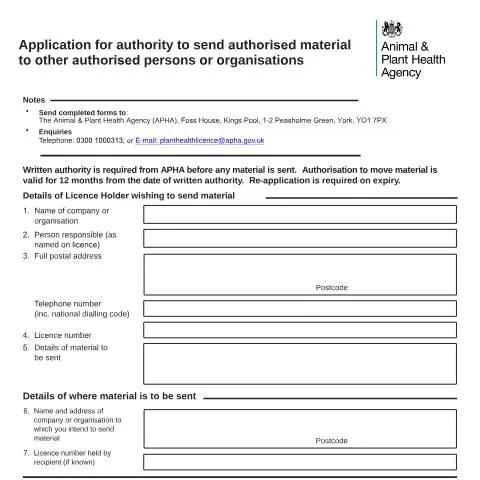
The PHI 10 document, officially titled "Application for authority to send authorised materials," is a crucial component for entities involved in the movement of plant and animal materials within the UK. Understanding its intricacies is vital for compliance with the regulations set forth by the Department for Environment, Food & Rural Affairs (Defra) and its agency, the Animal and Plant Health Agency (APHA).
The Significance of Authorisation in Material Transfer
In the realm of agricultural and environmental regulation, the movement of certain plant and animal materials is tightly governed to prevent the spread of pests and diseases. Obtaining written authority from APHA before dispatching authorised materials serves to safeguard both biodiversity and commercial interests within the UK.
What Constitutes Authorised Materials?
- Plant-based products, including seeds and tubers.
- Animal health products, like biological samples or veterinary medicinal products.
- Any material that may pose a risk if not regulated during transportation.
By securing this authorisation, individuals and businesses protect themselves from potential legal repercussions, including penalties for non-compliance with the UK’s stringent health and safety laws.
Who Is Required to Submit a PHI 10 Form?
The PHI 10 form is intended for companies and organisations engaged in the processing, transportation, or handling of authorised materials. This includes, but is not limited to:
- Commercial agriculture entities sending seeds or plants.
- Research institutions dealing with biological specimens.
- Veterinary clinics dispatching medical samples.
Each party involved in the dispatch must possess the necessary licences and be aware of the specific requirements that govern their activities. Failing to do so could lead to significant operational disruptions and legal issues.
Step-by-Step Breakdown: From Application to Authorisation
The process for submitting the PHI 10 application entails several key stages, which are outlined below. Understanding each step can help streamline the experience and ensure a successful application.
1. Preparation of Required Information
Before commencing the application, gather essential details required for the form:
- Name of the company or organisation.
- Full postal address, including postcode.
- Contact information of the responsible person, including telephone number.
- Licence number of the sender and, if available, the recipient.
- A detailed description of the material to be sent.
- Recipient’s postal address and postcode.
2. Completing the PHI 10 Form
Carefully filling out the PHI 10 form is crucial to avoid delays. Pay attention to:
- Ensuring all information is current and accurate.
- Double-checking the licence numbers.
- Providing a comprehensive description of the materials, which is essential for the review process.
3. Submission of the Application
Once the form is completed, submit it to:
The Animal & Plant Health Agency (APHA), Foss House, Kings Pool, 1-2 Peasholme Green, York, YO1 7PX.
Applications can be sent via postal mail. It's advisable to retain a copy of the completed application for your records.
4. Awaiting Authorisation
Upon submission, the APHA will review your application. The authorisation process is typically straightforward, but the timeframe may vary based on the volume of applications received. Generally, expect a response within a few weeks. However, factors such as incomplete information can delay processing.
5. Receiving Written Authority
If approved, you will receive written authority, which remains valid for 12 months from the date of issue. This documentation is essential for any future shipments of the authorised materials.
Understanding Data Protection Implications
The information you provide in the PHI 10 application is subject to the Data Protection Act 2018 and UK GDPR regulations, which govern how personal data is processed. The APHA holds this information to compile statistics and for administrative purposes, ensuring compliance with national and international standards.
It’s important to note that:
- Data may be shared under specific circumstances, such as pest outbreaks, with relevant authorities.
- All personal data is processed with confidentiality and in line with data protection regulations.
Consequences of Non-compliance: Risks and Penalties
Understanding the potential consequences of not complying with the regulations concerning the PHI 10 form can be a determining factor in the decision to submit an application. Failure to obtain the necessary authorisation could lead to serious repercussions, including:
- Financial penalties imposed by regulatory authorities.
- Legal action against the company or individual responsible.
- Reputational damage, impacting business relations and future operations.
Moreover, unauthorized transportation of materials can exacerbate the spread of pests and diseases, potentially causing environmental and economic harm. Therefore, the importance of compliance cannot be overstated.
Renewing Authorisation: What to Consider
As the expiration of the 12-month authorisation approaches, it is crucial to plan for renewing your application. The renewal process typically mirrors the initial application, and here are the steps to consider:
- Review the previous application for any changes in material, contact information, or licensing details.
- Submit a new PHI 10 form to APHA at least one month prior to the expiration date to avoid disruption in operations.
- Keep abreast of any changes in regulations or requirements from APHA that may affect the renewal process.
Who to Contact for Assistance
Should you have any questions or require assistance during the application process, APHA provides resources to help:
- Phone: 0300 1000313
- Email: [email protected]
Utilising these resources can help clarify any uncertainties and ensure that your application is as robust as possible.
Practical Tips for Successful Submissions
Here are some practical pointers to enhance your chances of a successful application:
- Be thorough: Double-check all entries for accuracy and completeness.
- Document everything: Keep records of all communications and submissions related to your application.
- Stay informed: Familiarise yourself with any updates to regulations affecting authorisation.
By following these guidelines, you can help smooth the path to obtaining the necessary authorisation for moving authorised materials, ensuring compliance and supporting the UK’s commitment to biosecurity.
Conclusion: The Importance of Compliance in Agricultural Practices
The PHI 10 application process may seem daunting at first, but its role in maintaining the health of the UK's agricultural and environmental systems cannot be overstated. By ensuring that all necessary measures are taken, businesses and organisations are not only protecting their interests but also contributing to the greater good of the agricultural sector and public health.
Understanding PHI 10: The Application Process
The PHI 10 form is crucial for individuals or organizations seeking to send authorized materials for research or business purposes. Understanding the application process is essential for ensuring that all necessary documentation is prepared and submitted correctly.
Before initiating the application, it's important to gather all relevant information, including the purpose of the request, details about the materials to be sent, and any necessary permissions from relevant authorities. Applicants should also familiarize themselves with the specific criteria set by the governing bodies overseeing the materials in question.
The application should be completed accurately, paying special attention to any required signatures from authorized personnel. After submitting the PHI 10 form, applicants should expect a response within a reasonable time frame, which can vary depending on the complexity of the request and the volume of applications being processed at that time.
If the application is denied, it is critical to review the reasons for the rejection and determine if there are steps to address these issues. Engaging with the regulatory body for clarification can be beneficial, as they may offer guidance on how to revise the application to meet the necessary criteria.
Compliance and Legal Obligations
When submitting a PHI 10 application, it is vital to understand the legal obligations and compliance requirements under UK law. The Data Protection Act 2018 and UK GDPR place stringent requirements on the processing of personal data, which can be particularly relevant when the authorized materials include sensitive information.
Before submitting any data, applicants should ensure that they have appropriate consent from individuals whose data might be included. This involves clear communication about how the data will be used and ensuring that individuals are aware of their rights under the law.
Moreover, organizations must implement data protection measures to safeguard any personal information they handle. This includes secure storage and transmission methods, as well as data minimization practices—only collecting and processing information that is absolutely necessary for the intended purpose.
Failure to adhere to these legal obligations can result in significant consequences, including fines and reputational damage. Therefore, applicants are encouraged to seek legal advice if there is any uncertainty regarding compliance issues.
Post-Application Steps and Follow-Up
Once the PHI 10 application has been submitted, there are essential steps to follow to ensure a smooth transition into the next phase of the project or research. First, it is wise to keep a record of the submission, including any reference numbers provided, to facilitate easier tracking of the application's status.
During the waiting period, applicants should prepare for the next steps by organizing the logistics related to the authorized materials. This may involve establishing shipping methods, ensuring that all necessary documentation is ready for when approval is granted, and coordinating with any involved parties regarding timelines.
If the application process exceeds the expected time frame without communication, it is recommended to follow up with the relevant authorities. A polite inquiry can often help clarify the status and prompt a timely response. In some instances, contacting the authority directly can reveal specific concerns or additional requirements that may expedite the approval process.
Ultimately, staying engaged and responsive throughout the application process not only enhances the likelihood of a successful outcome but also demonstrates a commitment to compliance and professionalism in handling authorized materials.