Understanding the TSE Movement Licence for Cattle: A Pragmatic Approach
Imagine a scenario where a cattle farmer needs to move their restricted cattle from one location to another due to unforeseen circumstances such as a change in farming practices or an emergency. In the UK, this is where the TSE restricted cattle: application for movement licence comes into play, a critical component in managing the safety and health of livestock. This application is not merely a form; it serves as a gateway to ensuring compliance with stringent health regulations designed to prevent the spread of transmissible spongiform encephalopathies (TSE), particularly BSE (Bovine Spongiform Encephalopathy).
Who Should Navigate This Process?
The form is tailored for registered keepers of cattle born or reared in the UK before August 1996. This specific demographic requires acute awareness of the conditions surrounding the movement of their livestock. Below are key profiles of individuals who would typically engage with this application:
- Current Registered Keepers: Individuals or businesses with cattle born or reared in the UK prior to the cut-off date who are looking to relocate their cattle.
- Proposed New Keepers: Farmers or premises owners intending to receive the cattle need to ensure compliance with the conditions outlined in the form.
- Veterinary Practitioners: Professionals might assist their clients in understanding the regulatory landscape and requirements.
Exceptions to this rule include situations where the movement is to a market or a registered dealer, which is strictly prohibited for these cattle.
The Critical Role of the Application in Livestock Movement
Understanding the importance of this application is crucial for anyone involved in cattle farming. The movement of restricted cattle without a valid licence could result in hefty fines and even legal ramifications. The licence application ensures that:
- Public health safeguards are maintained.
- Animal health is monitored and managed effectively.
- The potential spread of BSE is mitigated through stringent checks and balances.
In a nutshell, this form is a regulatory requirement that ensures that any movement complies with the Transmissible Spongiform Encephalopathies (England) Regulations 2018 and similar legislations relevant to Scotland and Wales.
Analyzing the Form: A Breakdown of Each Section
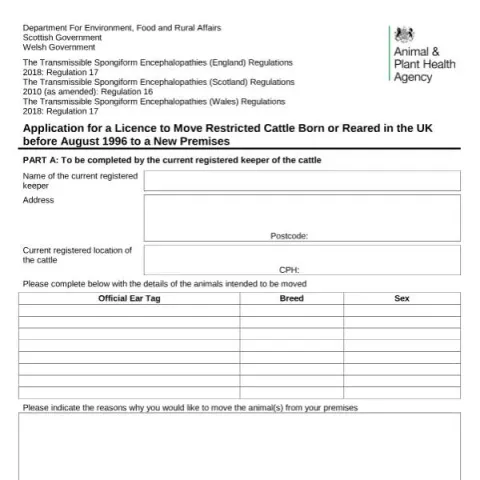
The application itself consists of two distinct parts, each with specific requirements and declarations that must be accurately filled out. Here is a detailed overview:
| Part | Description | Key Points to Note |
|---|---|---|
| Part A | To be completed by the current registered keeper of the cattle. |
|
| Part B | To be completed by the proposed new keeper. |
|
Each section must be completed with diligence to avoid delays in the application process, especially concerning the declaration areas, which carry legal weight.
The Journey of Submission: Where to File Your Application
After filling out the application, the next step requires proper submission. This can often be a point of confusion among applicants. You can submit your completed form through the following channels:
- By Post: Mail the form to the One Health Customer Service Centre at the designated address:
- By Telephone: For any queries surrounding the form, you can contact APHA directly at 03000 200 301.
- Online Resources: Although the form itself is submitted by post, you can gather additional information through the UK government website.
One Health Customer Service Centre Animal and Plant Health Agency County Hall Spetchley Road Worcester WR5 2NP
Each submission channel carries its nuances; submitting by post may take longer, while telephone inquiries can help clarify uncertainties before you file your application.
Navigating Complex Scenarios: Special Considerations
While the process appears straightforward for many, unique situations can complicate matters. Here are some scenarios to keep in mind:
- Emergency Movements: If an unforeseen event requires immediate movement, it’s vital to communicate this within the application and involve your local APHA office.
- Compliance with TB Restrictions: If your herd is under TB restrictions, articulating this on the form is crucial as it significantly impacts your application.
- International Movements: For those looking to move cattle across borders, additional regulations apply. Consult with both APHA and the relevant authorities in the destination country.
These complexities underscore the importance of thorough preparation and clear communication with agencies to ensure compliance with the law.
Historical Context: The Regulatory Framework Behind the Form
Understanding the historical regulations that led to the creation of this application can provide valuable insight into the importance of compliance. The backdrop of the BSE crisis in the 1980s and 1990s prompted the UK government to develop stringent regulations to safeguard public and animal health. The TSE Regulations, which encompass various legislative measures, were established to:
- Monitor and control potential outbreaks of BSE.
- Encourage responsible cattle farming practices and movements.
- Ensure ongoing surveillance for TSEs in cattle populations.
The strict framework surrounding the movement of restricted cattle helps to protect not just the livestock involved but also the broader agricultural economy and public health interests.
Common Pitfalls in Completing the Application
Even with a clear understanding of the process, there are common mistakes that applicants should be aware of:
- Incomplete Information: Failing to provide all required information, such as current and proposed keeper’s details, can result in application delays.
- Missing Declarations: Not signing or dating the declaration sections can lead to outright rejection of the application.
- Ignoring TB Restrictions: Neglecting to note any TB restrictions on your herd can lead to compliance issues down the line.
Being aware of these potential issues can save time and streamline the approval process.
Final Thoughts on the TSE Movement Licence
The TSE restricted cattle: application for movement licence is not merely a bureaucratic necessity; it serves as a vital tool for ensuring animal and public health across the UK. By understanding who needs to fill it out, the intricacies involved in completing it accurately, and the submission process, cattle keepers can navigate this essential regulatory landscape with confidence. Today’s farmers must align with these regulations to contribute to a healthier agricultural environment while protecting their own livelihood.
Understanding TSE Restrictions on Cattle Movement
Transmissible Spongiform Encephalopathies (TSE), particularly Bovine Spongiform Encephalopathy (BSE), have had significant ramifications on cattle farming and livestock movement in the UK. The TSE restriction is a crucial public health measure aimed at preventing the spread of these neurological diseases. To ensure compliance, several protocols must be followed when applying for a movement licence. These restrictions are enforced by Animal and Plant Health Agency (APHA) and local authorities, which work together to monitor and regulate cattle movements.
Fill in your form directly online
No printing: type your details into the boxes of the official form, tick, then download the PDF ready to send.
- 1Type into the form boxes
- 2Tick in one click
- 3Save and download the PDF
Farmers must be aware of the criteria that lead to TSE-related restrictions. Cattle originating from herds with a confirmed case of BSE, or those categorized as 'at risk' due to their age or feeding practices, may be under strict movement restrictions. Understanding the underlying risks associated with TSE is vital when applying for a movement licence. This knowledge can assist in ensuring all necessary criteria are met, and the application is processed smoothly.
Preparing Your Application for a TSE Movement Licence
When embarking on the process of applying for a TSE movement licence, preparation is key. First and foremost, gather all necessary documentation and ensure compliance with the guidelines set out by APHA. This includes proof of cattle origin, health status, and any veterinary inspections that may have been conducted prior to the application.
Next, ensure that you are aware of the specific details required in the application form. The APHA's movement licence application typically requires detailed information about the animals, including their identification numbers, date of birth, and any relevant health history. It is critical to double-check that the information provided is accurate. Inaccuracies can lead to delays or even rejection of the application, significantly impacting your ability to move cattle and conduct business effectively.
Also, consider the potential for additional inspections or scrutiny. If your herd has a history of TSE or associated risk factors, you may be required to undergo further assessments, which could add time to the application process. Therefore, proactively addressing any concerns or discrepancies can facilitate a smoother experience.
The Role of Biosecurity in Cattle Movement Applications
Biosecurity should be at the forefront of considerations when applying for a TSE movement licence. Implementing proper biosecurity measures can greatly reduce the risk of TSE transmission and demonstrate to authorities that your operations prioritize animal health and welfare. Maintaining a biosecurity plan not only aids in license applications but also safeguards your herd's health.
Key biosecurity practices include maintaining strict hygiene protocols on the farm, regularly disinfecting equipment, and ensuring that any feed or bedding materials are sourced from reputable suppliers. Additionally, educating staff about TSE and the importance of biosecurity can create a culture of awareness and responsibility that benefits the overall health of the cattle.
It is also advisable to keep thorough records of all biosecurity practices. Should an inspection occur, having these records readily available can enhance your credibility and facilitate the application process. A well-documented biosecurity plan reflects a proactive approach to livestock management and can often expedite the review of your movement licence application.