Navigating the Licence Application Process for Protected Species
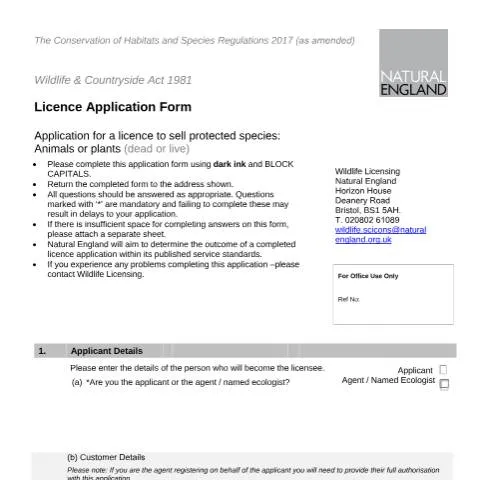
Navigating the complexities of wildlife licensing within the UK can sometimes appear daunting, especially for those looking to sell protected species, whether they are animals or plants. The Licence to Sell Protected Plants and Animals (A38 and LR38) form, issued by Natural England, serves as a crucial tool in ensuring that the sale of such species complies with applicable regulations, thereby safeguarding biodiversity. This guide will walk you through the entire application process, shedding light on the nuances that could impact your submission.
Understanding the Importance of the A38 and LR38 Licence
The sale of protected species in the UK is governed by rigorous legal frameworks aimed at conserving biodiversity. The Wildlife and Countryside Act 1981 and the Conservation of Habitats and Species Regulations 2017 are the cornerstone of these measures. Applying for a licence is not merely a bureaucratic step; it is a commitment to exercising due care in the treatment of wildlife. A licence also promotes accountability in the trade of protected species, ensuring that all stakeholders respect the regulations designed to protect vulnerable ecosystems.
Who Should Consider Applying for a Licence?
Various individuals and entities might find themselves needing this licence:
- Ecologists and Environmental Consultants: Those conducting research or educational projects involving protected species.
- Commercial Entities: Businesses engaged in the sale or trade of protected flora and fauna.
- Hobbyists: Individuals who might unintentionally find themselves involved in the illegal trade of protected species.
If you fall into any of these categories, it’s vital to familiarize yourself with the application process to avoid hefty penalties, which can include fines and even imprisonment for serious offences.
Decoding the Application Form: A Step-by-Step Walkthrough
Understanding the intricacies of the application form is key to a successful submission. The form is divided into several sections, each requiring specific information. Here’s an in-depth look:
1. Applicant Details
In this initial section, you will need to provide your personal information:
- Are you the applicant or an agent? This determines who is officially applying for the licence.
- Contact Information: This includes your email address, telephone number, and address. Ensure that this information is accurate to avoid communication issues later.
Additionally, if you are applying on behalf of an organization, you must specify your role and the name of the entity.
2. Previous Licences
Here, you’ll confirm whether there have been any prior applications regarding the species or site in question. This information is crucial as it helps Natural England assess any ongoing issues related to licensing at your location.
- Application Outcome: If there were previous applications, specify the outcomes, such as whether they were granted or not. This may affect your current application.
3. Purpose of the Application
This section asks you to define the reason behind your application. You must select from predefined categories such as:
- Scientific research
- Education
- Conservation efforts
Providing a clear purpose will strengthen your application, showcasing that your intent aligns with conservation goals.
Submission Channels: Choosing the Right Method
Once completed, the application form can be submitted in a variety of ways:
- Online Submission: If you opt for this method, ensure that all documents are digitally prepared and adhere to the submission guidelines.
- Paper Submission: If you choose to mail your application, carefully follow the instructions regarding where to send it, ensuring that you use the correct address provided by Natural England.
Regardless of the submission method, always keep a copy of the completed form for your records.
Understanding the Timeline of the Application Process
Timing is an essential aspect of your application. The duration of the process can be influenced by multiple factors, including:
- Completeness of Application: Missing information can lead to delays.
- Applicant Volume: Natural England processes numerous applications; thus, the time taken may vary.
Typically, applicants should expect a response within a few weeks, but it’s wise to plan for potential delays, particularly during busy periods.
The Role of Follow-Up and Communication
Once your application is submitted, it's crucial to remain proactive. Maintain communication with Natural England to check on the progress of your application. This may involve being prepared to answer additional questions or provide further documentation. Good communication can often expedite the process and mitigate misunderstandings.
Addressing Unique Circumstances
Certain situations may require additional considerations when applying for a licence:
- International Applicants: If you're submitting from outside the UK, additional documentation regarding your status and intent may be necessary.
- Minors: If the applicant is under 18, parental consent may be required.
- Complex Scenarios: Unique cases, such as urgent conservation efforts, may need tailored approaches; contacting Natural England directly can provide clarity.
Concluding Remarks: The Bigger Picture
A licence for selling protected species is not just a formality; it represents a larger commitment to conservation and responsible stewardship of the environment. Understanding the application process and requirements not only facilitates compliance but also plays a critical role in preserving the UK's rich biodiversity
By engaging in the wildlife licensing process thoughtfully and responsibly, you contribute to the broader goals of conservation and environmental protection.
Understanding the Licensing Process for Selling Protected Species
In the United Kingdom, the sale of protected plants and animals is strictly regulated under various environmental laws, primarily to protect biodiversity and prevent the illegal trade of wildlife. Licensing for the sale of these species is typically governed by the Wild Animals (Protection) Act 1996 and the Convention on International Trade in Endangered Species of Wild Fauna and Flora (CITES). If you are considering engaging in such activities, it is crucial to understand the specifics of the licensing process, including the types of licenses available, application procedures, and compliance requirements.
There are two main categories under which one can apply for a license to sell protected species: A38, which pertains to plants, and LR38, which deals with animals. Applying for these licenses requires you to demonstrate knowledge and compliance with both conservation requirements and the legal frameworks that govern the sale of protected species.
The application process typically includes the following steps:
- Eligibility Assessment: To apply for either the A38 or LR38 license, you must first assess whether your intended species for sale falls under the protected categories. This can include rare plants or endangered animals.
- Documentation Preparation: You will need to gather all requisite documents, which may include proof of origin for the species, conservation status assessments, and any previous licenses.
- Submission of Application: Applications must be made through the appropriate authority, generally Natural England or your relevant devolved administration in Scotland or Wales, depending on where you intend to operate.
- Review Process: The authorities will conduct an assessment, which may involve site visits or interviews to ensure compliance with regulations.
After submission, it's imperative to keep abreast of the monitoring requirements that may come with the license. Ensuring that your practices align with the conditions laid out in your license—in terms of sales records, species health, and habitat preservation—is essential to maintain your legal standing.
Compliance and Enforcement: Obligations of License Holders
Once you obtain a license to sell protected species, it is vital to understand the ongoing compliance obligations that come with it. Regulatory bodies, such as Natural England, regularly monitor licensed activities to ensure adherence to legal and environmental standards. Failure to comply can result in severe penalties, including fines or revocation of your license.
Here are some key compliance practices for license holders:
- Record Keeping: As a license holder, you are required to maintain detailed records of all sales transactions involving protected species. This includes dates, quantities, and details of the buyer. Records must be kept for a minimum period, usually five years, and should be available for inspection by compliance officers.
- Regular Reporting: Depending on the type of license issued, you may need to submit annual reports summarising your sales, conservation impact, and any incidents involving the species sold. Transparency in reporting helps build trust with regulatory authorities.
- Staff Training: If you employ individuals in your business, it is crucial to ensure they are adequately trained on the legal requirements surrounding the sale of protected species. This includes understanding how to identify protected species and manage them appropriately.
- Adherence to Conservation Guidelines: License holders are often required to participate in conservation efforts, which might involve habitat management, species monitoring, or engaging with conservation programmes. This not only aids the ecology but also bolsters your business’s reputation.
Non-compliance can attract serious repercussions, including legal action by authorities, public backlash, and potential damage to your business brand. Therefore, remaining vigilant about compliance is essential for sustainable business operations.
International Implications of Selling Protected Species
The sale of protected plants and animals does not only have national legal implications; it is also subject to international regulations. If you intend to sell protected species outside the UK, you must comply with both UK law and the laws of the importing country, as well as international agreements such as CITES.
Understanding these international implications is crucial if you are engaging in cross-border trade. Here are important considerations:
- CITES Documentation: If you are exporting species covered by CITES, you will need the necessary permits. This includes export permits from the UK government and import permits from the destination country. Failure to secure appropriate documentation can result in the confiscation of goods and legal actions.
- Conservation Status Awareness: Before selling to international buyers, it is essential to be aware of the conservation status of the species according to both UK standards and international classifications. Some species may be legally sold domestically but restricted or prohibited abroad.
- Trade Restrictions: Different countries impose varying restrictions on the import of protected species. Researching these regulations prior to exporting is vital. Some nations may require additional certifications or inspections that could delay your transaction.
- International Reporting Obligations: Exporting protected species may also require you to report your sales to international bodies, ensuring that trade does not negatively impact the survival of the species.
Engaging responsibly in the international market for protected species can not only enhance your business prospects but also contribute positively to global conservation efforts. It's advisable to consult with legal experts or conservation organisations to navigate the complexities of international laws effectively.