The Industrial 5G Testbeds and Trials: A Gateway for Innovation
The Industrial 5G Testbeds and Trials initiative is a significant step taken by the UK government to enhance the technological landscape of the nation. This programme, led by the Department for Science, Innovation and Technology, alongside the Department for Digital, Culture, Media & Sport, aims to foster innovation through 5G technology. It provides a framework for companies and organisations to develop and showcase their 5G capabilities. This document serves as a comprehensive guide for applicants seeking to participate in this programme, outlining the process, requirements, and implications of their submissions.
Navigating the Application Process: A Step-by-Step Guide
Understanding the application process is crucial for any potential applicant. The journey starts when an organisation identifies its intent to apply for funding under the Industrial 5G Testbeds and Trials competition. The application process can be summarised in several key steps:
1. Pre-Application Considerations
- Identify the project scope and objectives, ensuring alignment with the competition’s goals.
- Gather necessary information, including project costs, timelines, and potential collaborators.
- Consult the specific competition guidance to ensure compliance with eligibility criteria.
2. Completing the Application
When filling out the application forms, it is essential to adhere strictly to the guidelines provided in the competition guidance:
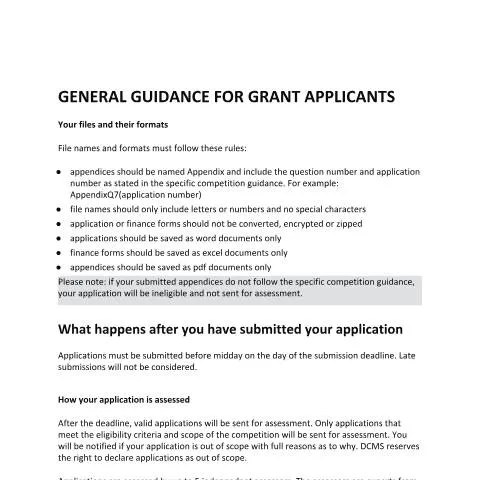
- All submission files must follow the specified naming conventions and formats, such as saving appendices as PDFs.
- Ensure the application is complete before the submission deadline, typically set at midday on the due date.
3. Submission
Late submissions are not accepted, so timely submission is critical. Ensure to double-check all documents for alignment with the requirements stipulated in the guidance.
4. Assessment of Applications
Once submitted, applications undergo a rigorous assessment process. Each application is evaluated by a panel of up to five independent assessors who assess the submissions based on a set of predefined scoring criteria. Applicants will receive feedback and will be notified of the outcome via email.
Understanding the Eligibility and Scope Criteria
Not all applications will be considered for assessment. To avoid disappointment, applicants must carefully review the eligibility criteria:
- The project must align with the objectives of the Industrial 5G initiative.
- Applicants must demonstrate the potential for commercial viability and innovation.
- Collaborative projects are encouraged; thus, clear roles should be outlined for all partners involved.
Specific Conditions for Participation
Particular attention should be paid to collaborative arrangements, especially when involving multiple stakeholders. Agreements must be documented and submitted alongside the application. This ensures clarity in responsibilities and resource allocations.
Implications and Responsibilities Post-Submission
Upon submission, the responsibilities of the applicant continue. Understanding the implications of participation is essential for long-term project success. If awarded funding, the following aspects must be considered:
1. Finance Contact Requirement
Each successful application must designate a finance contact within the organisation responsible for managing funding claims and responding to any financial inquiries. This role is critical for maintaining clear communication between the funding body and the applicant.
2. Conditional Grant Offer Letter
Successful applicants will receive a conditional grant offer letter that must be signed and returned before project commencement. This document outlines the terms and conditions of the funding.
3. Compliance with Financial Protocols
Applicants are required to follow stringent financial protocols, including providing bank details for validation and ensuring costs incurred align with the project timeline. Claims must be submitted quarterly and are subject to independent auditing.
Feedback and Continuous Improvement
Feedback is an integral part of the process, offering insights into the strengths and weaknesses of submitted applications. Generally, feedback is provided within four weeks after notification of the outcome. This feedback serves as a valuable tool for future applications and project improvements.
Understanding Assessment Feedback
The assessment feedback will detail the scoring for each question in the application, providing a clear picture of how the application fared against competitors. Understanding this feedback allows applicants to refine their future proposals and align them more closely with the funding body’s expectations.
Common Scenarios and Considerations for Applicants
Applicants may find themselves in various situations that could affect the application process. Below are some common examples:
1. Collaboration with Foreign Entities
For organisations collaborating with international partners, additional considerations must be made regarding eligibility and compliance with UK funding regulations. It is advisable to consult legal advice to navigate these complexities effectively.
2. Projects with Minor Involvement
If a minor is part of a project team, it is crucial to establish the legal responsibilities and compliance requirements for underage participation, especially regarding health and safety protocols.
3. Urgent Project Timelines
In instances where project timelines are urgent, applicants should clearly articulate the reasons for expedited assessments in their applications. Strong justification may be necessary to influence the decision-making process positively.
Tracking Application Progress: Staying Informed
Keeping tabs on the application status is vital for applicants during and after the submission phase. Here are practical steps to ensure you remain informed:
1. Set Calendar Reminders
Mark important dates related to submission deadlines, assessment timelines, and feedback periods in a calendar to ensure no critical date is overlooked.
2. Regular Communication
Maintain open lines of communication with the finance contact and project partners to discuss any updates or required actions. This could include planning for potential re-submissions based on feedback.
The Strategic Impact of the Industrial 5G Initiative
The broader implications of the Industrial 5G initiative extend beyond individual projects. This programme is designed to foster a more interconnected and technologically advanced industrial landscape across the UK. The potential for enhanced productivity, efficiency, and innovation within various sectors is immense.
1. Innovation in Various Sectors
From healthcare to manufacturing, the application of 5G technology can lead to innovative solutions and operational improvements. Successful projects could serve as case studies for others in the industry, paving the way for a larger adoption of cutting-edge technologies.
2. Supporting the UK Economy
By encouraging businesses to explore 5G capabilities, the initiative supports economic growth and job creation. Funding successful projects can lead to further investment and partnerships, contributing significantly to the national economy.
Conclusion: Preparing for Success in the 5G Landscape
Engaging with the Industrial 5G Testbeds and Trials programme represents a unique opportunity for organisations committed to innovation. Understanding the intricacies of the application process, post-submission responsibilities, and strategic implications will greatly enhance an applicant’s chances of success. By carefully following the guidelines, maintaining clear communication, and being proactive in managing the application process, organisations can position themselves at the forefront of the 5G revolution.
Understanding the Regulatory Framework for Industrial 5G Testbeds
In the UK, the deployment of Industrial 5G testbeds falls under various regulatory frameworks that govern telecommunications and data privacy. The Office of Communications (Ofcom) plays a pivotal role in managing the radio spectrum and ensuring fair competition among telecom providers. Companies looking to establish testbeds must navigate the legislative landscape shaped by the UK Telecommunications Act 1984, which has been updated to accommodate advancements in technology.
Importantly, the Data Protection Act 2018 and UK GDPR impose strict regulations on how personal data collected during trials must be processed and stored. This is particularly relevant as Industrial 5G applications often involve the integration of IoT devices, which can collect sensitive operational data. Businesses should ensure that they have robust data handling procedures in place, including conducting Data Protection Impact Assessments (DPIAs) to identify potential risks to personal data.
Furthermore, entities involved in setting up testbeds should be aware of the importance of securing relevant permissions and licenses from Ofcom for the use of specific frequency bands. This is crucial for avoiding interference with existing services and ensuring compliance with national and international telecommunications regulations.
Funding Opportunities for Industrial 5G Testbeds
The UK government has recognized the strategic importance of 5G technology for industrial applications, leading to various funding initiatives aimed at supporting the establishment of testbeds. Innovate UK, a government agency, often plays a key role in financing projects that demonstrate innovation in technology and infrastructure. Companies can apply for grants to cover a portion of the costs associated with setting up and running testbeds.
Applications for funding generally require a detailed project plan, highlighting the objectives, expected outcomes, and potential benefits to the UK economy. Additionally, partnerships with research institutions or universities can enhance the credibility of the proposal, leading to a higher chance of securing funding.
It is also essential to stay updated on the specific eligibility criteria, which can vary depending on the funding program. For instance, certain grants may only be available to small and medium-sized enterprises (SMEs), while others might focus on projects that address particular sector needs, such as manufacturing, healthcare, or transportation.
Ethical Considerations in Industrial 5G Trials
As the implementation of Industrial 5G testbeds progresses, ethical considerations become increasingly important. Companies need to address potential biases in data collection and algorithm development, ensuring that the benefits of 5G technologies are equitably distributed across different sectors of society. Involving diverse stakeholder groups in the design and execution of trials can mitigate the risk of unintended consequences.
Moreover, transparency in reporting trial outcomes is crucial. This includes disclosing any limitations of the findings and the methodologies used to assess the viability of different applications. Stakeholders, including the public, should be informed about how their data is being used and how they can benefit from the advancements brought about by these testbeds.
Lastly, fostering a culture of responsible innovation will be key in maintaining public trust. Companies should proactively engage with communities to address concerns and demonstrate their commitment to ethical practices throughout the lifespan of their testbeds.