The Imperative of Dividing a Registered Trade Mark: A Practical Exploration
When navigating the intricate landscape of intellectual property, particularly within the UK framework, it’s paramount to understand the tools at your disposal. Among these tools, the Request to Divide a Registered Trade Mark, known formally as Form TM12R, stands as a crucial document. This process becomes essential when a registered trade mark faces challenges, allowing owners to separate certain goods or services from the registration. Delving deeper into this request can illuminate its significance, the procedures involved, and the potential implications for trademark owners.
Understanding the Landscape: The Role of Form TM12R
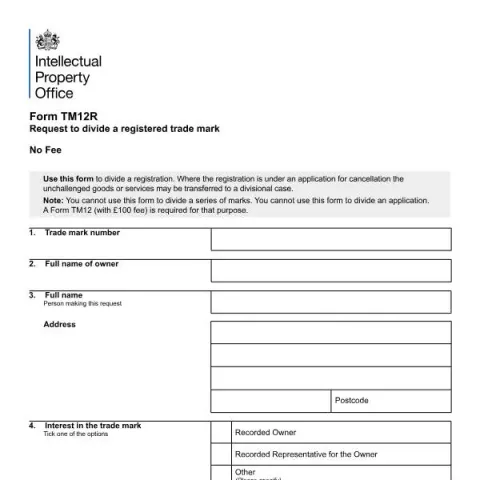
The journey of registering a trade mark is often fraught with complexities, particularly when disputes arise. When a trade mark is under an application for cancellation, there may be goods or services that remain unchallenged. In such instances, submitting Form TM12R can facilitate the division of these items into a divisional case. This separation is not merely an administrative task; it reflects strategic decision-making in safeguarding one’s intellectual property.
Why Consider a Division?
Owners may find themselves needing to divide their trade mark registration for several reasons:
- Legal Challenges: If a portion of the trade mark is being contested, division allows for continued protection of unchallenged elements.
- Business Strategy: Dividing a trade mark can streamline aspects of a brand's offerings, focusing on specific products or services that require distinct management.
- Licensing and Partnerships: In cases where a portion of the trade mark is vital for a licensing agreement, division ensures clarity and utility.
Who is Eligible to Submit This Request?
The submission of Form TM12R is tightly regulated and requires specific conditions to be met. Primarily, the form can be lodged by:
- Recorded Owners: The individual or business registered as the primary owner of the trade mark.
- Representatives: Those who are officially designated to act on behalf of the owner, which must be documented.
- Other Interested Parties: Individuals with a legitimate interest in the trade mark may also submit, given they specify their interest in the form.
It’s important for users to ensure that their status is clearly marked on the form to avoid complications during processing.
Steps to Completing Form TM12R: A Detailed Walkthrough
Completing Form TM12R requires careful attention to detail. Each section of the form serves a specific purpose and must be filled out accurately. Below, we break down the essential components of the form:
- Trade Mark Number: This unique identifier must be provided to link your request to the correct registration.
- Owner’s Name: The full name of the registered owner should follow, ensuring it matches official records.
- Applicant Details: The person submitting the request must provide their full name, address, and postcode.
- Interest Specification: This crucial section requires applicants to indicate their interest in the trade mark—whether as the owner, representative, or another specified role.
- Class Number and Goods/Services List: Clearly state the class number along with the goods or services being requested for transfer to the divisional case.
- Signature and Date: A signature, either typed or handwritten, is mandatory for validation. Ensure to include the date as well.
- Your Reference: While optional, including a reference number can streamline future communications.
Submission Channels: Navigating Your Options
Upon completion, applicants have several methods at their disposal to submit Form TM12R, each with its own considerations:
| Submission Method | Description | Processing Time |
|---|---|---|
| Email the completed PDF form to [email protected]. | Typically faster processing. | |
| Post | Print and mail the form to the Intellectual Property Office at Concept House, Cardiff Road, Newport, South Wales, NP10 8QQ. | Longer processing time due to postal delays. |
| In-Person | Visit the Intellectual Property Office if required for urgent matters. | Immediate but depends on office hours. |
Timeline and Expectations: What Happens Next?
After submitting Form TM12R, applicants can expect a series of steps that follow:
- Processing Period: The processing of applications typically takes several weeks. However, the exact duration may vary based on the office's workload.
- Further Communication: Be prepared for potential correspondence from the Intellectual Property Office seeking clarification or additional information regarding your request.
- Outcome Notification: Once processed, you will receive a notification regarding the status of your application—whether it has been accepted or if further action is required.
Understanding this timeline is critical as it informs planning for subsequent business activities or legal strategies.
Handling Complications: Refusal, Errors, and Missing Information
Despite meticulous preparation, complications can arise during the application process. Here’s how to navigate these challenges effectively:
- If Your Request is Refused: The Intellectual Property Office may refuse requests due to various reasons, including incomplete information or lack of interest. In such cases, reviewing the reasons for refusal and promptly addressing any deficiencies is crucial.
- Error Corrections: If a mistake is discovered post-submission, it’s advisable to contact the Intellectual Property Office directly to discuss options for amending the request.
- Missing Information: Not providing required details can delay processing. Always double-check to ensure all sections of the form are completed, including the necessity of signature and date.
Unique Circumstances: Special Cases and Considerations
In certain cases, the standard application process may not suffice. Here are a few unique circumstances that require careful consideration:
- International Registrants: For applicants outside the UK, understanding the nuances of local and international trade mark laws is crucial, and consulting with a legal expert may be beneficial.
- Minor Applicants: If the trade mark owner is a minor, a guardian or legal representative must act on their behalf, ensuring that all legal obligations are fulfilled.
- Complex Situations: Businesses engaged in mergers or acquisitions may find Form TM12R plays a significant role in restructuring their intellectual property portfolio. Here, advice from a qualified intellectual property solicitor is highly recommended.
The Broader Context: Positioning Form TM12R within Intellectual Property Management
The Request to Divide a Registered Trade Mark is not an isolated process; rather, it is part of a larger intellectual property management strategy. Understanding this context can significantly enhance its utility:
- Integration with Licensing Strategies: By dividing trade marks, businesses can effectively manage licensing arrangements, ensuring clarity about which goods or services are included in each agreement.
- Litigation Preparedness: An effective division can serve as a proactive measure against potential litigation, allowing for focused legal strategies.
- Portfolio Optimization: Periodically reviewing trade mark registrations and utilizing division requests can lead to a more streamlined and effective intellectual property portfolio.
In essence, Form TM12R serves as a vital tool for businesses seeking to maintain control over their trade marks while navigating complex challenges. By understanding the nuances associated with its submission and implications, trade mark owners can protect their intellectual investments more effectively.
As the landscape of intellectual property continues to evolve, staying abreast of such processes and their potential applications is essential for all stakeholders. Embracing this knowledge empowers businesses to make informed decisions regarding their trade mark strategies, ultimately contributing to their success in the competitive market.
For further information regarding the specifics of your application, or to clarify any doubts, contacting the Intellectual Property Office directly is highly recommended, ensuring you receive the most accurate and up-to-date guidance.
Understanding the Process of Dividing a Registered Trade Mark
Dividing a registered trade mark is a specific administrative procedure which can be quite relevant for businesses looking to manage their intellectual property portfolio effectively. The ability to divide a trade mark allows the registered owner to create two or more separate registrations from a single mark. This can be useful in various scenarios, such as when entering into agreements, licensing arrangements, or when an owner wishes to focus on specific aspects of their brand.
The process begins with a clear understanding of the registered trade mark in question. The first step is to gather all relevant documentation regarding the mark, including the original registration details and any associated goods or services. It's essential to determine which parts of the trade mark you wish to retain and which parts will be divided. This requires a careful analysis of the trade mark classification under the Nice Classification system, as well as the specific goods and services listed in the registration.
Fill in your form directly online
No printing: type your details into the boxes of the official form, tick, then download the PDF ready to send.
- 1Type into the form boxes
- 2Tick in one click
- 3Save and download the PDF
Once you have identified what you wish to divide, you will need to complete form TM22, which is the official request to divide a trade mark. Alongside this form, you must include a copy of the original certificate of registration, clearly indicating the aspects of the trade mark to be retained and those to be divided. Additionally, the Intellectual Property Office (IPO) mandates a fee for processing the division, the amount of which is specified on their website.
After submission, the IPO will review your application to ensure it meets all legal requirements. If accepted, you will receive individual registration certificates for each divided mark, both of which will retain the original filing date. This means they will not lose any of the benefits associated with priority claims that may exist due to the original registration.
It’s crucial to consider the implications of dividing a trade mark on your overall brand strategy. Dividing may result in one of the new marks potentially becoming more valuable or marketable, particularly if it aligns closely with a specific product or service line. Conversely, if one part of the mark becomes diluted or loses relevance, it could impact the overall brand equity.
Common Scenarios for Dividing a Registered Trade Mark
Several scenarios might prompt a business to consider dividing a registered trade mark. Each scenario presents unique considerations and strategies:
- Mergers and Acquisitions: When a company undergoes a merger or acquisition, the new corporate structure may necessitate a re-evaluation of its intellectual property assets, including trade marks. Dividing a registered trade mark can clarify ownership and usage rights, particularly when different divisions of a company will utilize different aspects of a mark.
- Licensing Arrangements: In licensing scenarios, a business may want to provide licenses for certain aspects of their trade mark while retaining others for themselves. Dividing the mark allows for separate licensing agreements that can be tailored to specific products or geographic markets.
- Rebranding Efforts: If a company plans to rebrand certain product lines while maintaining others, dividing the trade mark can facilitate this process. It allows the company to focus on new branding initiatives without losing the rights to the original mark, which can be crucial for legacy products.
Each of these scenarios involves its own complexities and requires careful planning and professional advice. Engaging with an intellectual property solicitor can help navigate the implications of dividing a trade mark in these contexts, ensuring compliance with legal requirements and protecting business interests.
Post-Division Considerations: Maintaining and Enforcing Your Trade Marks
After the division of a registered trade mark, businesses must ensure they effectively manage, maintain, and enforce each of the new marks. This involves several important steps:
- Monitoring Usage: It's critical to actively monitor the market to ensure that both divided trade marks are not being infringed upon. This involves keeping an eye out for similar marks or any unauthorized use that could dilute your brand equity.
- Updating Your Portfolio: Ensure that your intellectual property portfolio is updated to reflect the new trademarks. This includes revising any licensing agreements, marketing materials, and business documentation that reference the now-divided marks.
- Renewal and Maintenance: Each divided trade mark will require its renewal and maintenance. Ensure that you understand the renewal deadlines and necessary paperwork for both marks to retain their registered status.
- Enforcement Actions: If you find that either mark is being infringed upon, it’s vital to act promptly. This could involve sending cease and desist letters or pursuing legal action. Having a legal strategy in place for each mark will help in effectively enforcing your rights.
In summary, dividing a registered trade mark is not just a procedural task but a strategic decision that requires careful thought and planning. By understanding the process, exploring common scenarios, and proactively managing your trade marks post-division, you can ensure that your intellectual property remains a strong asset in your business's portfolio.