Understanding the Importance of Filing a Translation
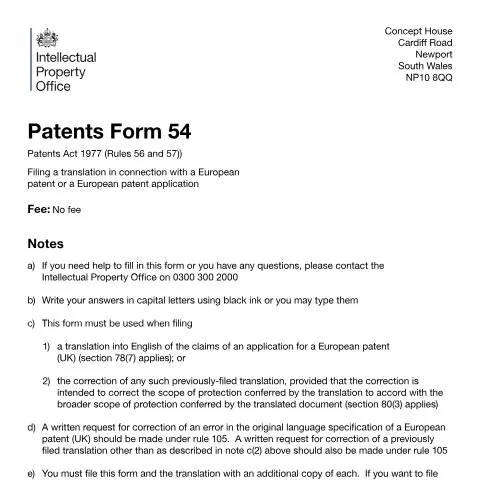
When dealing with intellectual property in the UK, particularly European patents, filing a translation becomes a critical step in ensuring that your rights are adequately protected. This process is especially vital for inventors and businesses seeking to secure their innovations across jurisdictions. The Intellectual Property Office (IPO) provides a specific form for this purpose, known informally as Filing a translation in connection with a European patent or a European patent application. Understanding the nuances of this document and its implications can significantly impact the scope of protection granted to your intellectual property.
Who Needs to File this Translation?
Individuals or entities involved in patent applications or holdings may need to file a translation for various reasons. Here’s a closer look at the profiles of the primary users:
- Inventors and Businesses: If you have lodged a European patent application, you must submit an English translation of its claims to secure patent rights in the UK.
- Patent Attorneys: They may act on behalf of clients to ensure that translations are correctly filed, adhering to legal requirements.
- Licensees: If you hold a license for a European patent, you might need to file translations to maintain compliance with licensing agreements.
Be aware that specific exceptions apply regarding the need for translation. For instance, if the original application was already in English, a translation is unnecessary. Similarly, corrections to previously filed translations may have different requirements.
The Legal Framework Behind the Filing Process
The Patents Act 1977, along with the rules set out in sections 56 and 57, governs the filing of translations in the UK. Specifically:
- Section 78(7): Obligates the submission of an English translation for claims within a European patent application.
- Section 80(3): Allows for the correction of previously filed translations to ensure they align with the broader scope of protection intended in the original document.
This legal framework is crucial as it delineates your obligations when filing a translation and underscores the importance of accuracy in protecting your intellectual property rights.
Step-by-Step Guide to Completing the Filing Form
Completing the translation filing form accurately is vital for successful submission. Here’s a structured approach to help you navigate the process:
- Personal Reference: While not mandatory, providing a personal reference may help you track your submission.
- Patent Number: Clearly state the European patent number or the application’s publication number.
- Applicant Details: Include the full name and address of the applicant or owner, ensuring it is current.
- Document Type: Specify whether you are submitting a new translation or a correction to a previously submitted one.
- Grant Date: If applicable, state the date when the European patent was granted or amended.
- Address for Service: Provide an address for service in the UK or the Channel Islands where all correspondence will be sent.
- Authorization Confirmation: Ensure to confirm you are authorized to submit the form.
- Contact Details: It’s important to include contact details of the person completing the form for follow-up purposes.
When filling out the form, remember to use capital letters and black ink, or consider typing it to ensure clarity. This helps prevent misunderstandings that could arise from poor handwriting.
Filing Procedures and Deadlines
The process of filing your translation has specific timelines and procedures that must be adhered to. Here’s what you need to know:
- Filing Timeline: There is no formal filing fee, but timely submission is key. The translation must be filed promptly after the European patent is granted or amended.
- Submission Copies: You must submit the form and the translation, along with an additional copy of each, to the IPO. If filing multiple translations, you will need separate forms for each.
- Postal Submission: All documents should be printed and posted to the Intellectual Property Office at the specified address. Ensure to keep a copy for your records.
Failure to file your translation on time could result in the loss of patent rights or complicate enforcement of those rights in the UK.
After the Submission: What Happens Next?
Once you have submitted your form, understanding the subsequent steps and what to expect is crucial:
- Processing Time: The IPO will review your submission to ensure compliance with legal requirements. Processing times may vary, so patience is essential.
- Tracking Your Submission: You can follow up on the status of your filing. The IPO provides contact numbers and resources for inquiries regarding ongoing proceedings.
- Corrections and Changes: If you need to correct the translation or address any issues with the submission, you must do so through the established rules, particularly under rule 105.
This proactive approach helps maintain your intellectual property’s integrity and ensures that you are updated on any developments.
Potential Consequences of Neglecting to File
Neglecting to file a translation or doing so improperly can have serious repercussions. Consider the following potential outcomes:
- Loss of Rights: Failure to provide a correct translation may lead to a diminished scope of protection or loss of patent rights altogether.
- Legal Complications: Inadequate documentation can lead to disputes or challenges against the validity of your patent.
- Increased Costs: Rectifying issues arising from improper filings can lead to additional legal costs and administrative burdens.
Being diligent and thorough in your filing process is essential to safeguarding your intellectual property assets.
Conclusion: The Path Forward
Filing a translation in connection with a European patent is not merely a bureaucratic step; it is an essential component of protecting your innovation and ensuring that your rights are recognized in the UK. By understanding the complexities of the filing process, the legal implications, and the responsibilities involved, applicants can navigate this critical phase with confidence and clarity. Remember, the IPO is there to assist; if you encounter challenges or have questions, do not hesitate to reach out for guidance.
Understanding the Necessity of Translations in European Patents
In the context of filing a European patent or a European patent application, translations play a pivotal role. The European Patent Convention (EPC) mandates that the patent application must be filed in one of the three official languages: English, French, or German. However, if a patent is granted and the countries of interest do not use one of these languages, applicants may need to provide a translation. This is particularly relevant for stakeholders looking to enforce their patent rights in non-English speaking member states.
One key distinction to note is that the translation requirements can vary depending on the jurisdiction where protection is sought. For example, countries such as Spain or Italy may require a translation into their respective national languages. Additionally, it's crucial to consider any specific requirements set forth by national patent offices, as these can impact the validity of the patent across different territories.
Choosing the Right Service for Translation
Ensuring accuracy in translation is paramount, especially given the technical nature of patent documents. Inaccuracies can lead to significant legal consequences, including the potential invalidation of a patent. Therefore, applicants are advised to engage professional translation services that specialize in technical and legal documents.
When selecting a translation service, it is essential to consider factors such as:
- Expertise in Patent Law: Choose a translator or translation agency that has experience in patent law and understands the nuances associated with technical language.
- Certification: Some jurisdictions may require translated documents to be certified. It's essential to check if the translation service provides certified translations, as this can vary from one provider to another.
- Turnaround Time: The urgency of the patent application process means that timely translations are critical. Ensure that the translation service can meet your deadlines without compromising on quality.
- Confidentiality Agreements: Given the sensitive nature of patent documents, ensure that the translation service is willing to sign a confidentiality agreement to protect your intellectual property.
Ultimately, the right translation service can streamline the application process and prevent potential pitfalls that could arise from poorly translated documents.
Implications of Non-Compliance with Translation Requirements
Failing to meet the translation requirements set forth by the European Patent Office (EPO) or national patent offices can have dire consequences for patent holders. Firstly, non-compliance can lead to the rejection of the patent application or the invalidation of a granted patent. This could result in significant financial loss, especially if the applicant has already invested resources into research and development.
Moreover, non-compliance may undermine the enforceability of a patent in different jurisdictions. If a patent is granted without the proper translations, it may not be recognized or upheld in a language-sensitive jurisdiction. Consequently, patent holders could find themselves without legal recourse in cases of infringement.
In addition, depending on the jurisdiction, there may be a specified timeframe within which translations need to be filed following the grant of a patent. Failure to adhere to these deadlines could further complicate the applicant’s legal standing.
Given these implications, it is advisable for applicants to conduct a thorough review of all translation requirements and deadlines pertinent to their patent application to avoid any potential legal pitfalls. Consulting with a patent attorney who specializes in international filings can provide valuable insights and guidance in navigating the complexities of translation requirements.