Navigating the OV58 Form: A Critical Step for Veterinary Practices
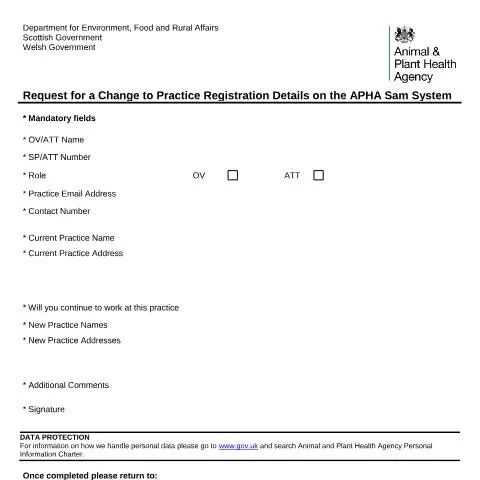
In the dynamic field of veterinary medicine, maintaining accurate records is crucial not only for compliance but also for the efficacy of healthcare services offered to animals. The OV58 form, formally titled "Request for a Change to Practice Registration Details on the APHA Sam System," plays a pivotal role in this process. Tailored for veterinary professionals, this document allows practitioners to update their registration details within the Animal and Plant Health Agency (APHA) system efficiently. Understanding its purpose, the intricacies involved, and the correct procedures for submission is paramount for veterinary practices.
Why the OV58 Stands Out Among Veterinary Forms
The OV58 form distinguishes itself from other veterinary forms through its specific focus on practice registration changes. Other forms, like the OV1 for veterinary surgeons or the OV2 concerning animal health certificates, serve different purposes. The OV58 is specifically tailored for those already registered who need to amend existing details, making it essential for maintaining up-to-date contact and operational information.
Understanding Key Components
When completing the OV58 form, several critical fields must be accurately filled out to ensure compliance and avoid delays in processing. Below is a detailed breakdown of the primary sections of the form:
- OV/ATT Name: Essential for identifying the veterinary surgeon or veterinary technician involved.
- SP/ATT Number: This unique identifier must be correct to align with your existing registration.
- Current Practice Name and Address: Vital for confirming the location where services are offered.
- New Practice Names and Addresses: Any changes must be clear and specific to avoid confusion.
- Contact Information: Include a practice email address and phone number for follow-up communications.
Preparing Your Submission: Step-by-Step Guide
The process of submitting the OV58 form involves several key steps that should be followed meticulously:
- Gather Required Information: Before starting, ensure you have all relevant details at hand, including your SP/ATT number and current practice information.
- Completing the Form: Fill in all mandatory fields marked with an asterisk (*). Ensure clarity and accuracy to prevent unnecessary delays.
- Review and Double-Check: Verify that all details are correct. A single error can result in processing issues.
- Submit the Form: Once completed, the form can be submitted via email to [email protected] or posted to the provided address in the instructions.
Common Pitfalls in Form Completion
While the OV58 form may seem straightforward, there are common pitfalls that could delay processing:
- Omitting mandatory fields, which can lead to immediate rejection of your submission.
- Providing outdated contact information, which can hinder communication from the APHA.
- Failing to sign the document, as a signature is necessary for verification.
The Broader Context: Significance of the OV58 Form
The OV58 form is not an isolated document; it fits within a larger framework of regulatory measures aimed at ensuring public health and welfare. By keeping accurate practice records, veterinary practitioners contribute to the overall integrity of animal health services. This form facilitates ongoing compliance with the Animal and Plant Health Agency's regulations, thereby reinforcing the vital link between veterinary practices and public safety.
The Historical Background of Practice Registration
The necessity for such forms can be traced back to the establishment of veterinary regulations in the UK, which aim to safeguard public health and promote animal welfare. The APHA, which oversees the veterinary profession, requires precise data to monitor practices effectively. The OV58 is a reflection of ongoing efforts to streamline operations and enhance communication within the veterinary sector.
Who Needs to Complete the OV58 Form?
The primary audience for the OV58 form includes:
- Veterinary Surgeons: Those actively practicing who need to update their contact or practice details.
- Veterinary Technicians: Professionals who may also need to inform the APHA of changes to their associated practice.
- Practice Managers: Individuals overseeing veterinary operations who are responsible for ensuring compliance with registration requirements.
It’s crucial to note that changes in ownership or significant alterations in the nature of practice may require additional documentation beyond the OV58 form.
Processing and Follow-Up: What to Expect
After successful submission of the OV58 form, practitioners can anticipate a series of follow-up steps:
- Confirmation of Receipt: Within a few days, you should receive confirmation that your submission has been received.
- Review Period: The APHA will review your changes and may reach out for further information if needed.
- Updated Registration: Once processed, your practice details will be updated in the APHA Sam system, ensuring compliance and accurate record-keeping.
How to Monitor the Status of Your Submission
If you experience delays or have questions about your submission, reaching out via the provided contact details is advisable. Keeping records of your communications can also prove beneficial in case of discrepancies.
Emphasizing Data Protection in the Process
In an era where data privacy is paramount, the OV58 form adheres to the Data Protection Act 2018 and the UK GDPR. This ensures that all personal information provided is handled securely and used solely for the intended purpose of the registration process. Practitioners should be aware of their rights under these regulations, including the right to access their data and be informed about how it will be processed.
Best Practices for Data Submission
To ensure compliance with data protection regulations when completing the OV58 form:
- Minimize the Information Shared: Provide only the necessary details required for processing.
- Use Secure Channels: Submit your form via secure email or registered post to mitigate the risk of data breaches.
- Regularly Update Your Information: Ensure that your contact details remain current to facilitate effective communication.
Conclusion: Ensuring Smooth Operation for Veterinary Practices
Completing the OV58 form is more than a regulatory obligation; it is a crucial step in ensuring your veterinary practice operates smoothly and efficiently. By understanding its importance, familiarizing yourself with the details required, and adhering to best practices for submission and data protection, veterinary professionals can navigate this process with confidence and ensure their registration details remain accurate in the APHA system. Continuous diligence in maintaining your practice’s records not only enhances operational efficiency but also upholds the standards of animal and public health.
Understanding the OV58 Form and Its Purpose
The OV58 form is primarily used to notify changes in the veterinary practice details related to the UK’s veterinary services. This form is particularly important for veterinary surgeons who are recognized by the Animal Health and Veterinary Laboratories Agency (AHVLA). The information captured through the OV58 is essential to maintain accurate records in the veterinary register, ensuring that data is up-to-date and relevant in the context of animal health management.
When completing the OV58, it's crucial to provide accurate details regarding the changes made. This includes not only changes in practice name or address but also any alterations in the list of veterinary surgeons who are part of the practice. The AHVLA utilizes this information to ensure that practitioners can be contacted swiftly in case of disease outbreaks or emergencies, such as an animal welfare incident.
Notably, submitting the OV58 promptly aids in ensuring that your practice remains compliant with regulatory requirements. Veterinary practices must adhere to guidelines set forth by various governing bodies within the UK. This not only includes the AHVLA but extends to organizations such as the Royal College of Veterinary Surgeons (RCVS) and local councils involved in animal health and welfare.
Key Considerations for Submitting the OV58
When preparing to submit the OV58, several key considerations should be kept in mind to ensure a smooth and effective process.
Timeliness of Submission: It's advisable to submit the OV58 as soon as any changes are made or anticipated. Delaying this submission can lead to gaps in communication and may hinder the practice's ability to respond effectively to health issues that require immediate attention.
Accurate Information: Ensure that all provided details are correct and up-to-date. Double-check the spelling of names, addresses, and contact information. Errors can lead to delays in processing and can also affect the practice's standing with regulatory authorities.
Supporting Documentation: Depending on the nature of the changes, you may need to include additional documentation. This could include proof of new premises or certificates of registration for new veterinary surgeons joining your practice. It’s prudent to familiarize yourself with any supplementary documents that might be required by the AHVLA.
Electronic vs. Paper Submission: While the OV58 can typically be submitted via traditional mail, check if there are options for electronic submission. Many authorities encourage online submissions for their efficiency and speed. Familiarize yourself with the requirements for both methods to choose the most appropriate one for your needs.
Confirmation of Change: Once submitted, follow up on the status of your OV58 application. It’s essential to receive confirmation that the changes have been processed successfully. Keeping a record of your submission and any correspondence with the AHVLA can be beneficial for reference.
Common Issues and Resolutions When Submitting the OV58
When completing the OV58 form, you may encounter several common issues. Knowing how to address these can save time and prevent potential compliance problems.
Incomplete Forms: One of the most frequent problems is submitting incomplete forms. Review guidelines carefully to ensure every section is adequately filled out. This includes providing all necessary contact information and details about the practice's modifications.
Incorrect Practice Codes: Each veterinary practice is assigned a unique practice code. Make sure you have the correct code when completing the OV58. If you are unsure, it may be necessary to consult your practice’s records or contact the AHVLA directly.
Delayed Processing Times: Submit your OV58 early to mitigate any unforeseen delays. If your practice undergoes significant changes, such as relocating or rebranding, ensure you factor in processing time to avoid any lapses in veterinary registration.
Changes to Partnership or Ownership: If there are changes in ownership or partnerships within your veterinary practice, ensure that all parties involved are properly documented on the OV58. This is crucial for maintaining legal obligations and ensuring proper communication regarding regulatory responsibilities.
Ensuring Compliance with Data Protection: Given the implications of the Data Protection Act 2018 and UK GDPR, ensure that any personal data provided on the OV58 is handled correctly. This includes ensuring that data shared is necessary and that proper safeguards are in place to protect personal information.
By being proactive and aware of these common issues, you can streamline your experience with the OV58 and ensure your veterinary practice remains compliant with all necessary regulations.