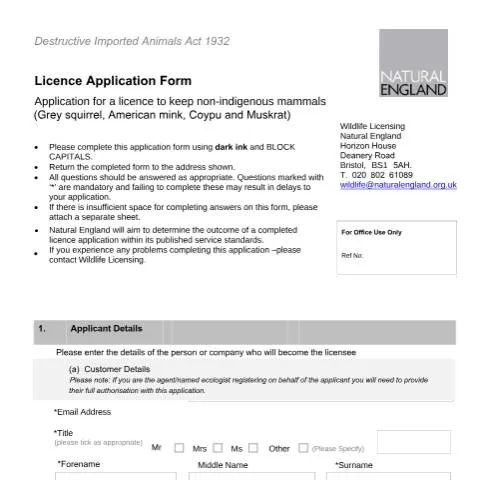
Navigating the Mink, Coypu, and Muskrat Licence Application Process
For wildlife enthusiasts and professionals, the management of non-indigenous mammals such as the mink, coypu, and muskrat is a critical aspect of maintaining ecological balance in the UK. The application for a licence to keep these species, referenced as A04 and LR04, is not merely procedural; it is a gateway to understanding the responsibilities and legal implications tied to the possession of these animals. This article aims to dissect various facets of the application process, providing practical insights to facilitate a smooth experience for applicants.
Understanding the Regulatory Framework
The process of applying for a licence to keep non-indigenous species is governed by the Destructive Imported Animals Act 1932, which has evolved to address the ecological risks posed by these animals. Natural England manages the licensing process, focusing on biodiversity conservation and the welfare of both wildlife and humans. This regulatory oversight is crucial, as it combines ecological awareness with legal compliance.
Moreover, understanding this legal backdrop is pivotal for applicants. It ensures that they are not only aware of their obligations but also prepared to demonstrate their commitment to responsible animal management. The intricacies of this legal context can influence how one frames their application and justifies their need for a licence.
Decoding the Application Form: What to Expect
The application form itself is structured to gather comprehensive data regarding the applicant and the intended use of the licence. A meticulous approach to completing this form can streamline the approval process. Here’s a detailed look at key sections of the form:
Applicant Details
- Personal Information: Applicants must provide their name, contact details, and address. Ensure that all information is accurate and up to date.
- Business Representation: If the applicant is representing an organisation, relevant business information must be included. This adds legitimacy to the application and clarifies the role of the applicant.
Previous Applications
Understanding past interactions with Natural England can be beneficial. The form requires applicants to disclose any previous applications or decisions regarding the same site, which can directly impact the current application. For instance, if prior applications were refused, the reasons should be addressed in the new submission to demonstrate improvement or changes in circumstance.
Clarifying the Purpose
Clearly articulating the purpose of keeping these non-indigenous mammals is essential. The form prompts applicants to outline their objectives, whether for scientific research, education, or exhibition. This emphasis on purpose is crucial, as it directly influences the likelihood of licence approval.
Preparation of Required Documentation
Completing the application form is just one part of the process. Proper documentation is vital. Here are important documents to prepare:
- Proof of Purpose: Documentation that supports the stated purpose of keeping the animals is essential. This can include research proposals or educational outlines.
- Previous Licences: If applicable, provide copies of past licences or correspondence with Natural England.
- Site Plans: If relevant, include maps or plans of the area where the animals will be kept, illustrating compliance with welfare and safety standards.
Submitting the Application: What to Know
Once the application form and supporting documents are prepared, the next step is submission. This can be done via post directly to the Wildlife Licensing department of Natural England. It’s advisable to maintain copies of all submitted documents for personal records. Moreover, paying attention to the submission deadlines is crucial to prevent delays.
What Happens Next? The Review Process
Upon submission, applicants often wonder about the journey that their application will take. Natural England aims to process applications efficiently, adhering to their service standards. The review process involves:
- Initial Assessment: The application is assessed for completeness. Missing information can lead to delays, so it’s vital to ensure all mandatory fields are filled.
- Site Visits: In some cases, a representative from Natural England may conduct a site visit to verify the details and conditions under which the animals will be kept.
- Decision Making: Following the assessment, a decision is made, which can result in one of several outcomes: granted, refused, or deferred.
Responding to Refusals or Additional Requests
In the unfortunate event of a refusal, understanding the reasons behind the decision is crucial. Natural England typically provides feedback that can guide future applications. Here are steps to consider:
- Request Feedback: Engaging with Natural England to seek clarity on the reasons for refusal can be beneficial.
- Adjust and Resubmit: If possible, modify the application to address the concerns raised and resubmit at a later date.
Additionally, if further information is requested during the review process, respond promptly to avoid unnecessary delays. Maintaining open communication with Natural England can significantly enhance the chances of a successful outcome.
Special Cases: Unique Situations and Considerations
Some applicants may find themselves in unique situations that require special consideration. This can include:
International Applicants
Individuals or organisations based outside the UK may face additional scrutiny or requirements. It is essential for international applicants to be aware of rules regarding the importation and management of non-indigenous species.
Minors or Guardianship Issues
For applicants under 18, or if the individual listed on the application is legally unable to complete the process, a responsible adult must act on their behalf. Clear identification and authorisation will be necessary.
Urgent Situations
In scenarios where immediate action is required—such as rescue operations or urgent relocations—applicants should clearly communicate the urgency within their application. While this may not guarantee expedited processing, it can enhance understanding from the reviewing body.
Understanding Your Rights and Responsibilities
Holding a licence comes with a set of responsibilities and rights. As a licensee, one is legally obligated to ensure the welfare of the animals and adhere to any conditions outlined in the licence. Understanding these conditions is vital, as failure to comply can lead to penalties or revocation of the licence.
Conversely, having a licence to keep non-indigenous mammals opens up several opportunities: engaging in research, educational displays, and contributing to conservation efforts. These avenues not only benefit the individuals involved but also contribute positively to public understanding of wildlife management.
Follow-Up Strategies: Tracking Your Application
After submitting an application, staying informed about its status is crucial. Here are some effective follow-up strategies:
- Use Reference Numbers: Keep your application reference number handy to facilitate inquiries.
- Regular Communication: Contact Natural England periodically for updates, especially if processing times exceed expectations.
Proactive engagement can often expedite the review process and demonstrate commitment to compliance and transparency.
Final Thoughts: Commitment to Responsible Wildlife Management
Applying for a licence to keep non-indigenous animals in the UK is a significant undertaking, imbued with responsibility and potential. By understanding the nuances of the application process, preparing thoroughly, and maintaining clear communication with Natural England, applicants can navigate this complex landscape effectively. The outcome of a licence application not only influences individual practices but also has broader implications for wildlife management and ecological conservation in the UK.
Understanding the Licensing Process for Keeping Mink, Coypu, and Muskrat
In the UK, keeping certain non-native species, including mink, coypu, and muskrat, requires a proper license as mandated by the Wildlife and Countryside Act 1981. This legislation is primarily designed to protect native wildlife and ecosystems from the potential risks posed by these species. Therefore, understanding the licensing process is crucial for anyone considering keeping these animals.
The licensing process is administered by Natural England in England, the Natural Resources Body for Wales in Wales, and the Scottish Government in Scotland. Each organization has specific guidelines on how to apply for a license, which can vary depending on local regulations and the individual circumstances of the applicant.
To begin, applicants need to fill out the relevant application form, either A04 for keeping mink or LR04 for keeping coypu and muskrat. It is essential to provide accurate and comprehensive information about your intended care for the animals, including housing, feeding, and any plans for breeding. Details about your experience and qualifications for handling these species will also be required.
Once you submit your application, the relevant authority will assess your application, which may involve site visits to ensure that you meet the required standards for animal welfare. The assessment process can take several weeks, so it is advisable to apply well in advance of when you intend to keep these animals.
Additionally, applicants should be aware that there may be conditions attached to their license. These conditions could include requirements for record-keeping, reporting to the licensing body, or ensuring that the animals are kept in a secure environment to prevent escape. Failure to comply with these conditions could result in the revocation of your license.
Responsibilities After Obtaining a License
Once you have successfully obtained your license to keep mink, coypu, or muskrat, it is paramount to understand the responsibilities that come with it. Being a license holder means you are legally required to ensure the welfare of the animals and to prevent them from impacting local wildlife and habitats.
This includes providing adequate housing that meets the species-specific needs of the animals, a balanced diet suitable for their nutritional needs, and regular veterinary check-ups to monitor their health. You are also responsible for ensuring that your enclosures are secure to prevent escape, as these animals can pose a significant risk to native species if they were to establish a feral population.
Regular monitoring and maintenance of their living environment are also crucial. This involves cleaning enclosures frequently, providing enrichment to prevent boredom, and ensuring that the animals are kept in conditions that allow them to express natural behaviors.
Moreover, as a license holder, you must maintain accurate records of the animals you keep, which may include details such as their health, breeding, and any movements (for example, if you sell or transfer animals). These records should be kept for several years in case they need to be reviewed by the licensing authority.
It's also important to stay informed about any changes in legislation or guidance from Natural England or other relevant authorities regarding the keeping of these species. Regulations can evolve, and as an owner, it is your responsibility to comply with the most current rules to avoid penalties or loss of license.
Potential Environmental Impact and Conservation Considerations
The introduction of non-native species like mink, coypu, and muskrat can have significant consequences for local ecosystems. Therefore, understanding the environmental impact of keeping these animals is crucial not only for compliance with the law but also for ethical considerations.
Mink, for instance, are known to be aggressive predators of native birds, fish, and small mammals. Their presence can lead to declines in vulnerable species populations, disrupting the ecological balance. Similarly, coypu and muskrat can cause extensive damage to wetland environments, which are critical for biodiversity, water quality, and flood management. They can undermine riverbanks and contribute to habitat loss, exacerbating the decline of native flora and fauna.
As a keeper of these species, it is essential to take proactive measures to mitigate potential environmental impacts. This can include measures such as creating secure enclosures to prevent escape, avoiding breeding unless you are specifically licensed to do so, and engaging in responsible sourcing of animals. Wildlife enthusiasts should consider participating in conservation efforts aimed at protecting native species and habitats as an ethical commitment to balance their interests with the well-being of the environment.
Moreover, it is advisable to engage with local conservation groups or wildlife organizations to better understand the local ecosystem's needs and how your actions as a license holder can support rather than harm local wildlife. This may include sharing knowledge about responsible animal care practices and promoting awareness about the potential impacts of keeping non-native species.