Engagement with Climate Change Experts: The Call for Action
In recent years, the urgency surrounding climate change has propelled governments and organizations to seek specialized knowledge. The Call for UK Experts in Climate Change to contribute to the IPCC Sixth Assessment Report is a pivotal initiative aimed at gathering insights that will shape global understanding and policy responses. This initiative signals an acknowledgment of the complexities involved in climate science and the necessity for diverse expertise across various domains.
The Strategic Role of the IPCC Sixth Assessment Report
The Intergovernmental Panel on Climate Change (IPCC) plays a crucial role in providing scientific assessments on climate change. The Sixth Assessment Report, due to be completed in stages by 2022, is designed to inform policymakers and the public about the current understanding of climate science, mitigation strategies, and adaptation measures. It emphasizes the need for comprehensive and nuanced input from experts in multiple fields, ensuring that the findings are robust and reflect a broad spectrum of knowledge.
Understanding the Layers of Contributions
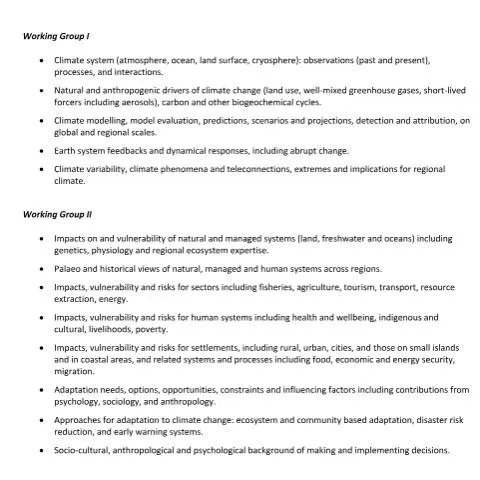
The process of drafting the IPCC report is layered and collaborative. UK experts are encouraged to contribute their knowledge across three key working groups:
- Working Group I: Focused on the physical science basis of climate change.
- Working Group II: Examining the impacts, vulnerabilities, and adaptation strategies relevant to both natural and human systems.
- Working Group III: Concentrating on mitigation strategies and socio-economic aspects affecting energy systems and consumption patterns.
The Profile of Potential Contributors
Notably, the call for experts encompasses a wide range of professionals, including researchers, academics, policymakers, and practitioners from various sectors. The diversity of knowledge is essential for comprehensive coverage of all aspects of climate change.
Sub-Cases and Niche Expertise
Here are some specific profiles of potential contributors who may be particularly relevant:
- Climate Scientists: Those engaged in research related to climatology, including data collection and modeling.
- Ecologists: Experts in the interactions between climate change and ecosystems.
- Economists: Specialists in the financial implications of climate change and energy transitions.
- Social Scientists: Individuals studying societal impacts, including the psychological and cultural dimensions of climate change.
- Policy Analysts: Practitioners with experience in developing and implementing environmental policies.
Nuances of the Application Process
As the call for experts is formalized, the application process is critical. Interested parties must adhere to specific guidelines to ensure their contributions are considered.
How to Engage
Experts looking to participate should pay attention to the following steps:
- Review the Call: Understand the specific areas of expertise that are being sought. Each working group has distinct themes that contributors must align with.
- Prepare Your Submission: Gather relevant credentials, including publications, previous experience, and specific interests related to climate change.
- Submit Through the Official Channel: Follow the guidelines provided on the GOV.UK site to ensure compliance with submission formats and deadlines.
- Follow Up: After submission, maintain awareness of any communications regarding the selection process.
Distinctive Features of This Call
It’s essential to recognize how this call differs from other governmental initiatives.
Comparison with Other Forms
While applications for advisory roles or consultative positions are common, this call emphasizes:
| Feature | Call for IPCC Experts | General Advisory Roles |
|---|---|---|
| Scope | Focused on IPCC’s scientific assessment needs | Broader advisory roles without specific focus |
| Experience Level | Requires specialized expertise in climate-related fields | May accept general advisory experience |
| Outcome | Contribution to an internationally recognized report | Advice for specific policies or projects |
The Historical Context of Climate Reporting
The establishment of the IPCC and the subsequent assessment reports have roots in international efforts to combat climate change, dating back to the 1992 Earth Summit in Rio de Janeiro. The urgency surrounding climate science has evolved organically from the increasing threat posed by climate change and has led to the establishment of international protocols such as the Kyoto Protocol and the Paris Agreement.
The Evolution of Engagement
Throughout the years, the involvement of various stakeholders has broadened, reflecting a more inclusive approach to climate issues. This call for UK experts is a continuation of this trend, encouraging input from not only scientists but also experts from various fields, symbolizing a collective effort to address climate challenges more effectively.
Framework for Future Contributions
In the context of the UK government's commitment to achieving net-zero emissions by 2050, this call represents a strategic initiative to harness national expertise in developing innovative solutions. The Department for Energy Security and Net Zero and the Department for Business, Energy & Industrial Strategy highlight the interconnectedness of climate action with economic resilience and social equity.
Further Steps for Potential Contributors
Once individuals have submitted their expressions of interest, several stages unfold:
- Evaluation: Submissions will be reviewed based on alignment with the identified needs of the IPCC.
- Selection: Chosen experts may be invited to participate in workshops or discussions.
- Contribution: Selected individuals will contribute their insights and data to the drafting process, participating actively in shaping the report's findings.
Tracking Your Contribution
As the process unfolds, understanding how to track the status of your application or contribution is vital. While specific procedures may vary, maintaining communication with the organizing bodies is encouraged. Updates are often provided through official channels, and selected experts may receive direct invitations to participate in consultations or feedback sessions.
Engaging with the Broader Community
Participation in this call also offers a unique opportunity to network with other professionals engaged in climate science and policy. Engaging with this community can lead to collaborative efforts, enhanced research opportunities, and greater visibility for one’s work within the sector.
Practical Considerations for Participants
While the process may appear straightforward, potential contributors should consider practical aspects that could influence their participation.
Time Commitment and Expectations
Involvement in the IPCC report drafting process can require a significant time investment. Experts should be prepared to:
- Attend meetings and workshops (which may be remote or in-person).
- Collaborate with other experts to synthesize information.
- Review and edit sections of the report as needed.
Conclusion: The Path Forward
As the world looks to tackle the pressing challenges posed by climate change, the Call for UK Experts represents not just an administrative task but a crucial opportunity to contribute to a global dialogue. For those qualified and passionate about the subject, this is an unparalleled chance to engage with fellow experts, influence policy, and help chart a sustainable future for coming generations.
Understanding the Role of UK Climate Experts in the IPCC Sixth Assessment Report
The Intergovernmental Panel on Climate Change (IPCC) plays a crucial role in assessing the science related to climate change. The Sixth Assessment Report (AR6) is particularly significant as it will inform policymakers globally and shape international climate action. UK experts in climate change are being called upon to contribute their knowledge and expertise to this extensive evaluation. This section delves into the specific functions and responsibilities that these experts will undertake during this significant undertaking.
Experts will be tasked with synthesising existing climate data and modelling predictions to provide a comprehensive overview of climate impacts, adaptation needs, and mitigation strategies. Their work will directly impact policy recommendations, thus influencing the UK's approach to sustainability and international collaboration on climate issues. The UK Government, alongside various academic institutions and research bodies, is instrumental in facilitating this engagement, ensuring that appropriate channels are in place for expert contributions.
In addition, involvement in the IPCC process allows UK scientists and researchers to collaborate with international colleagues, sharing insights that stem from unique climatic conditions in the UK. This cross-border collaboration enhances the robustness of the report and ensures that it accounts for diverse climatic scenarios worldwide. Consequently, the role of UK climate experts is not just a national responsibility; it has implications for global climate resilience.
The Importance of Interdisciplinary Approaches in Climate Research
Addressing climate change effectively necessitates an interdisciplinary approach. UK experts contributing to the IPCC Sixth Assessment Report are expected to come from diverse fields, including meteorology, oceanography, environmental science, economics, and social sciences. This diversity is crucial for creating a holistic understanding of climate change and its multifaceted impacts.
For instance, while climatologists provide insights into atmospheric changes and physical impacts, economists can model the financial implications of climate policies. Social scientists, on the other hand, can evaluate public perception and the socio-economic consequences of climate actions or inactions. Such interdisciplinary collaboration is critical as it allows for the integration of different perspectives into the assessment, thereby ensuring comprehensive and actionable recommendations. The synthesis of data from various disciplines supports the development of multifaceted strategies that can tackle climate change at multiple levels, from local communities to global initiatives.
Moreover, as climate change affects various sectors differently, such as agriculture, health, and urban development, experts must also consider the interplay between these sectors when assessing impacts and responses. The potential synergies or conflicts among sectoral policies must be identified and addressed to form an integrated strategy for climate change adaptation and mitigation.
Engaging Stakeholders in the Climate Change Discourse
The engagement of stakeholders is a fundamental aspect of the IPCC’s assessment process. UK experts are not only tasked with contributing scientific knowledge but are also expected to facilitate discussions with various stakeholders, including government agencies, non-governmental organisations, businesses, and the general public. This engagement is essential for ensuring that the findings and recommendations of the Sixth Assessment Report are relevant and actionable.
Stakeholder engagement helps to bridge the gap between scientific research and practical implementation. By involving policymakers early in the process, climate experts can tailor their recommendations to be more applicable and feasible within the current political and economic context. This proactive approach ensures that the government can effectively integrate these recommendations into existing policies and strategies, promoting a cohesive national approach to climate resilience.
In addition to government collaboration, the role of community-based organisations and the general public cannot be overlooked. Effective climate action requires public buy-in and understanding. UK experts are encouraged to engage with local communities to raise awareness about climate impacts, gather local knowledge, and incorporate community feedback into the assessment process. This bottom-up approach ensures that diverse voices are heard, fostering a sense of ownership and commitment to climate action among various stakeholders.