Navigating the 2023 to 2024 Postgraduate Doctoral Loan Request Form: A Comprehensive Guide
The journey of financing a postgraduate education in the UK can seem daunting, especially for those seeking doctoral programs. This is where the 2023 to 2024 Postgraduate Doctoral Loan request form comes into play, serving as a pivotal document for students aiming to access financial support through the Student Loans Company (SLC). Understanding the nuances of this form will empower you to complete it accurately and successfully secure your funding.
Understanding the Unique Features of the Postgraduate Doctoral Loan Request Form
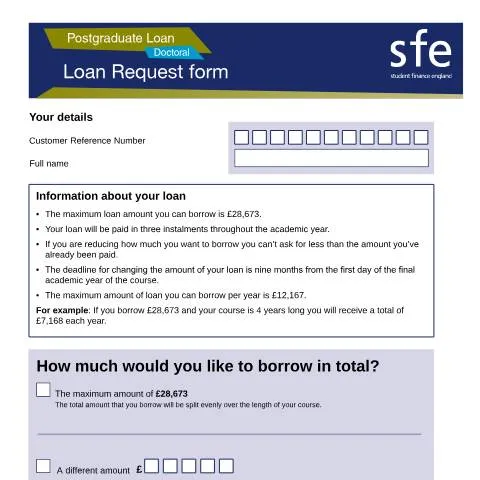
This particular form stands apart from other student finance applications, primarily due to its specific purpose and requirements tailored for doctoral studies. Unlike undergraduate student loans or other finance options, the postgraduate doctoral loan is designed for students enrolled in eligible doctoral programs, allowing for a maximum borrowing amount of £28,673 for the entire course.
- The loan is disbursed in three instalments throughout the academic year.
- Students can request a loan amount up to a maximum of £12,167 per academic year.
- Adjustments to the loan amount can only be made within nine months of the course's final academic year.
Understanding these distinctions can help you navigate the application process more effectively and prevent confusion with other forms such as the undergraduate loan request or maintenance loan applications.
Preparing Your Documentation: A Step-by-Step Approach
Before diving into the filling out of the form, it’s essential to gather all necessary documentation. The information required can vary based on personal circumstances, but here are the key documents typically needed:
Essential Documentation Checklist
- Proof of Identity: This could be a valid passport or a UK driving licence.
- National Insurance Number: This is crucial as it serves as a key identifier during the loan processing.
- Course Details: Evidence of your course enrollment, such as an acceptance letter or confirmation from your university.
In some situations, you may need additional documentation:
- If you’re an international student, be prepared to provide proof of your residency status.
- For students under 18 or with complex financial histories, additional information might be required.
Gathering these documents beforehand ensures a smoother application process, reducing potential delays caused by missing information.
Chronological Steps from Application to Funding
Submitting your application for the Postgraduate Doctoral Loan is not just about filling out the form; it involves a sequence of steps that must be followed meticulously.
The Application Process Timeline
- Fill Out the Form: Complete the request form with accurate information and sign it.
- Submit the Form: Send the completed form along with all required documentation to the SLC.
- Application Review: SLC will review your application, which can take several weeks. During this time, they may contact you for additional information.
- Loan Approval Notification: Once approved, you will receive a notification detailing the amount you can borrow and the repayment terms.
- Loan Disbursement: Funds will be released in three instalments during the academic year, contingent upon meeting your institution’s requirements.
This chronological approach not only streamlines the process but also helps students keep track of where they are in the application timeline.
Initial Submission Channels: Online vs Paper Applications
Understanding your submission options is crucial. The SLC provides multiple channels for submitting the Postgraduate Doctoral Loan request form, each with its advantages.
Comparison of Submission Methods
| Submission Method | Advantages | Considerations |
|---|---|---|
| Online Submission | Faster processing times, immediate confirmation, and ease of tracking. | Requires reliable internet access and can be complicated for those unfamiliar with online systems. |
| Paper Submission | Useful for those who prefer physical documentation and can provide a tangible record of submission. | Longer processing times and potential delays in postal delivery. |
Choosing the right method depends on your comfort level and urgency. For many students, the online submission process is often the quickest and most efficient route.
What to Do If Your Application Is Refused or Incomplete
Receiving a refusal letter can be disheartening, but it's important to understand your options and next steps. If your application is rejected, you will receive a detailed explanation, which may include:
- Insufficient documentation provided.
- Ineligibility based on the course or program.
- Incorrect information on the application form.
Steps to Follow Post-Refusal
- Review the Refusal Letter: Understand the reasons clearly, as this will guide your next actions.
- Gather Missing Information: If the refusal was due to incomplete documentation, prepare to submit the necessary paperwork.
- Resubmit Your Application: Once you have addressed the issues, you can reapply or submit an appeal depending on the circumstances.
In cases where you realize an error in your submitted application, contact SLC as soon as possible to rectify the mistake. Providing accurate and complete information is essential, as errors can lead to delays or denial of funds.
Special Cases: Navigating Complex Situations
While most applicants will follow a straightforward path through the loan application process, certain situations can complicate matters significantly. Understanding how to navigate these complexities can make all the difference.
Addressing Unique Circumstances
- International Students: Special provisions may apply, including the need for additional documentation regarding residency status.
- Students with Previous Loans: If you have existing loans, be aware that this may affect the amount you can borrow and your eligibility.
- Minors: Students under 18 may need a parent or guardian to co-sign the loan agreement.
Each of these situations requires careful attention and may necessitate additional communication with the SLC, so be proactive in seeking guidance.
The Implications of Filling Out the Form Accurately
Completing the 2023 to 2024 Postgraduate Doctoral Loan request form accurately is paramount. The information you provide will not only dictate your eligibility but will also have long-term repercussions on your financial responsibilities.
Your Rights and Responsibilities
- Timely Updates: You are obligated to inform the SLC of any changes in your circumstances, such as alterations in contact information or changes to your academic status.
- Repayment Obligations: Be aware that repayment begins once you earn above a specified income threshold, typically through the UK tax system.
- Penalties for Non-compliance: Failing to meet your obligations can lead to penalties and impact future eligibility for financial support.
Recognizing these responsibilities not only ensures compliance with the SLC's requirements but also sets you on a path to successful financial management throughout your doctoral studies.
Dissecting the 2023 to 2024 Postgraduate Doctoral Loan Request Form
To ensure that you complete the form without error, a thorough understanding of each section is crucial. Here’s a detailed breakdown of the form’s structure and potential pitfalls to avoid:
Form Breakdown
- Personal Information: Provide accurate details such as your full name, date of birth, and address. Common mistakes include typos in your National Insurance number or failing to update your address if you've moved.
- Loan Amount Selection: Clearly indicate how much you wish to borrow. Remember that the maximum loan amount is £28,673, which is equally divided across the years of study. Miscalculating this can lead to significant issues.
- Agreement to Terms: You must read and understand the terms and conditions. Failing to do so can result in delays, as your application will not be processed until this section is completed.
Each of these sections is designed to gather critical information needed for your application and ensures that you fully understand your obligations as a borrower. Paying attention to detail in these areas can significantly enhance your chances of a successful application.
In conclusion, navigating the 2023 to 2024 Postgraduate Doctoral Loan request form requires diligence, organization, and a clear understanding of the process. By preparing your documentation, understanding the unique features of the form, and being aware of your rights and responsibilities, you can set yourself up for success in securing funding for your doctoral studies. Take the time to familiarize yourself with each aspect of the application process—your future academic and financial well-being depends on it.
Understanding Eligibility for the Postgraduate Doctoral Loan
Before diving into the application process for the 2023 to 2024 Postgraduate Doctoral Loan, it is crucial to understand the eligibility criteria set by the Student Finance England (SFE). The loan is specifically designed for students pursuing doctoral programmes, including PhDs, DPhils, and professional doctorates in the UK. To be eligible, you must meet several key requirements.
- Age Limit: Applicants must be under 60 years old at the start of their course.
- Residency: You must be a UK national or have settled status, with a minimum of three years' residency in the UK before the start of your course.
- Course Type: The course must be a research-based doctoral programme that is eligible for funding, which typically excludes part-time or distance learning courses unless they are accredited.
- Previous Study: You cannot receive a Postgraduate Doctoral Loan if you have previously been awarded a doctoral degree, nor if you are receiving funding from other sources for the same course.
It’s important to note that these eligibility criteria are strictly enforced, and any discrepancies in your application could lead to a refusal of your loan request. If you are unsure about your eligibility, thorough research or consulting with the SFE can provide clarity before submitting your application.
How to Complete the Application Form: A Step-by-Step Guide
The application process for the Postgraduate Doctoral Loan involves several critical steps that must be followed to ensure a successful submission. Given the importance of this funding for prospective doctoral students, paying close attention to detail is essential.
- Gather Required Documents: Before starting the application, compile all necessary documents, such as proof of identity (e.g., passport or driving licence), evidence of residency, and information about your course and university.
- Access the Application Form: The form can be accessed through the SFE website. Ensure you are using the correct version for the 2023 to 2024 academic year.
- Fill in Personal Information: Complete the sections requesting personal details, including your National Insurance number, which is a key identifier in the UK for tax and social security purposes.
- Course Information: Provide accurate details about your doctoral programme, including the start date, anticipated end date, and the name of the institution. Misinformation in this section can lead to delays or complications in processing your loan.
- Financial Information: You will need to indicate your current financial situation, including income from employment, savings, or other sources. This information helps the SFE assess your need for financial support.
- Submit Your Application: Once you have completed the application form, review it thoroughly for any errors or omissions. After verification, submit your application online and keep a record of your submission confirmation.
After submitting your application, keep an eye on your email for any updates or requests for additional information from the SFE. Remember that the sooner you submit your application within the designated timeframe, the better, as processing times can vary.
Repayment and Financial Implications of the Postgraduate Doctoral Loan
Understanding the repayment structure and financial implications of the Postgraduate Doctoral Loan is paramount for students. The repayment terms significantly differ from undergraduate loans, which can impact your financial future.
Firstly, the repayment threshold for the Postgraduate Doctoral Loan is set at £21,000 per year, which means you will only start making repayments once your income exceeds this amount. This factor can provide some flexibility during the early years of your career, especially if you anticipate earning less than this amount initially.
Repayment rates are fixed at 6% of your income above the threshold. This approach allows for a manageable repayment plan that adjusts with your earnings, providing a degree of financial security. It’s crucial to keep track of your income and update your repayment details with HMRC if your income changes, as this directly affects your repayment obligations.
Additionally, should you have any outstanding balance after 30 years from the April you were first due to repay, the remaining amount will be written off. This feature makes the Postgraduate Doctoral Loan a potentially advantageous option for many students, especially those pursuing careers in academia or research, where salaries may not be as high as in other fields.
Remember to take into account the interest rates applied to your loan, which are linked to the Retail Price Index (RPI) plus an additional percentage, depending on your income level. Staying informed about how interest accumulates can help you make better financial decisions regarding your loan and future expenditures.