Understanding the IV70 Form: A Crucial Step for Importing Animal Products
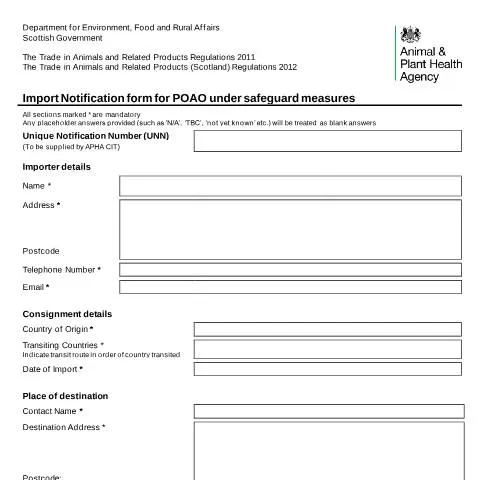
When engaging in the importation of products of animal origin (POAO), the IV70 form is a critical document. Its importance is underscored by the need for compliance with UK regulations, particularly under safeguard measures. This form must be completed accurately and submitted in a timely manner to ensure that your consignment does not face delays or legal complications upon arrival in Great Britain.
Who Must Submit the IV70 Form?
The responsibility of completing the IV70 form falls squarely on the shoulders of the importer, who must be based in Great Britain. This legal obligation ensures that only those familiar with UK laws handle the necessary paperwork associated with importing animal products. Importers are typically businesses or individuals who source animal products from overseas suppliers.
Understanding the role of the importer is essential. They not only need to fill out the IV70 form but also manage the logistics of the import, such as the selection of reputable suppliers and compliance with additional regulations set by agencies such as the Animal and Plant Health Agency (APHA).
Breaking Down the IV70 Sections: What You Need to Know
The IV70 form comprises several sections, each designed to capture vital information regarding the importation of POAO. It is crucial to address each section methodically to avoid common pitfalls.
Unique Notification Number (UNN)
At the top of the IV70 form, you will find a field for the Unique Notification Number (UNN). This number is vital, as it is provided by the APHA’s Centre for International Trade (CIT). Failure to include a valid UNN may result in your application being rejected or delayed.
Importer Details
Accurate submission of importer details is mandatory. This section necessitates the following:
- Name: The complete legal name of the importing entity.
- Address: A full address, including postcode, is crucial for accurate identification.
- Telephone Number: A reliable contact number is essential for communication.
- Email: An email address for swift communication and notifications.
Consignment Details
This section gathers specific information about the consignment itself. Pay close attention to:
- Country of Origin: This should reflect the country from which the products are being shipped.
- Transiting Countries: If the goods transit through multiple countries, list them in order, as this can affect the import process.
- Date of Import: Provide the expected date of arrival in Great Britain.
- Place of Destination: This is where the products will ultimately be delivered.
Premises of Origin
Addressing the premises from which the products originate is critical for traceability. Ensure the following are correctly filled out:
- Premises Name: The official name of the originating facility.
- Premises Address: This must include the full address and postcode.
- Country: The country where the origin premises are located.
Intent and Quantity: Why Specifics Matter
When filling out the IV70 form, providing detailed information about the intended use and quantity of the products is essential. This is not just a formality; it helps regulatory bodies assess the risk associated with the consignment.
- Intended Use of Commodity: Clearly state whether the products are for human consumption, animal feed, or other purposes.
- Quantity: Enter the quantity of the product in appropriate units — accuracy here can impact customs clearance.
- Port/Airport of Entry: Indicate where the products will arrive in Great Britain.
Timelines: Knowing When to Act
Timeliness is of the essence when dealing with the IV70 form. The completed form must be submitted to the CIT at least 24 hours prior to the expected arrival of the consignment. This requirement is set in place to ensure that the necessary checks can be performed to safeguard animal and plant health.
Submission Process
The submission process for the IV70 form is straightforward but requires attention to detail. Upon completion, the importer must:
- Email the form to [email protected] with the subject line: URGENT – POAO UNN REQUIRED.
- Ensure that all mandatory fields are filled out to avoid delays.
- Keep a copy of the submitted form for your records, as this will be important for any follow-up communications.
Regulatory Framework: The Laws Behind the IV70 Form
The IV70 form is rooted in UK legislation aimed at ensuring the safe trade of animal products. The key pieces of legislation include:
- The Trade in Animals and Related Products Regulations 2011: This regulation sets forth the requirements for importing animals and products of animal origin.
- The Trade in Animals and Related Products (Scotland) Regulations 2012: A counterpart to the 2011 regulations, this law specifically addresses the needs of Scotland's unique context.
These regulations are designed to protect public health, animal welfare, and the UK’s agricultural economy. The IV70 form facilitates compliance with these laws by collecting essential data.
The Role of APHA in the Import Process
The Animal and Plant Health Agency (APHA) plays a central role in the importation process of products of animal origin. Working under the Department for Environment, Food and Rural Affairs (DEFRA), APHA is responsible for safeguarding animal and plant health. They provide oversight of the IV70 form submission process and are charged with enforcing compliance with UK regulations.
Data Protection Considerations
As with any official form, the IV70 is subject to data protection laws under the Data Protection Act 2018 and UK GDPR. Importers should be aware that the information provided on this form will be processed in line with these regulations. The APHA Personal Information Charter details how personal data is handled, ensuring that confidentiality and data integrity are maintained.
Navigating Complexities: Distinguishing from Other Forms
It's easy to confuse the IV70 form with other forms related to the importation of goods, particularly those dealing with customs declarations for non-animal products. Here’s how to distinguish the IV70 from similar documents:
| Form | Purpose | Key Differences |
|---|---|---|
| IV70 | Import Notification for POAO under safeguard measures | Specific to animal products, must be submitted 24 hours in advance. |
| Customs Declaration Form | General declaration for imported goods | Applicable to all goods, not just animal products; no specific advance notice requirement. |
| IPAFFS Notification | Notification for products that can be submitted through the IPAFFS system | Used for certain products under a digital system; differs in submission route. |
What Happens After Submission?
After you submit the IV70 form, several outcomes may occur:
- The APHA reviews the submitted information to ensure compliance with UK regulations. If additional information is needed, you may be contacted.
- Upon successful review, your consignment will be cleared for entry, allowing it to reach its destination without delay.
- If there are concerns regarding the consignment, the APHA may impose further inspections or even refuse entry, based on health or safety risks.
As such, it's crucial to provide comprehensive and accurate information to avoid these complications, which can lead to financial loss and legal issues.
Final Thoughts: The Importance of Diligence in Completing the IV70
Completing the IV70 form is not merely a bureaucratic exercise; it is a fundamental component of ensuring the safety and legality of imported animal products. By understanding the nuances of this form and the regulations governing its use, importers can navigate the complexities of international trade with confidence.
The process may seem daunting at first, but with careful attention to detail, clear communication, and a proactive approach to compliance, successful importation of products of animal origin is entirely attainable.
Understanding Safeguard Measures for Products of Animal Origin
In the context of the UK, safeguard measures are essential for ensuring the safety and quality of products of animal origin. These measures are set forth to protect public health, animal health, and the environment by imposing restrictions on imports when necessary. Products of animal origin include items such as meat, dairy, fish, and other related goods. Import notifications under the IV70 form are crucial for compliance with these regulations.
The UK government, through the Department for Environment, Food & Rural Affairs (DEFRA) and the Animal and Plant Health Agency (APHA), maintains rigorous standards for the importation of these products. The circumstances that might invoke safeguard measures include outbreaks of disease, contamination incidents, or a significant risk to public health. Having a clear understanding of these measures is vital for importers to navigate the complexities of UK import regulations.
When a safeguard measure is applied, importers must provide detailed information about their shipments, including the country of origin, animal health status, and compliance with hygiene standards. This ensures that all products entering the UK meet the necessary health and safety requirements. Import notifications under the IV70 system help facilitate this process and ensure that the necessary checks are in place before goods enter the market.
How to Complete the IV70 Notification Form
The IV70 form is a critical document for importers of products of animal origin. Filling out this form correctly is imperative for ensuring compliance with UK import regulations. Here’s a step-by-step guide to completing the IV70 notification form:
- Personal and Business Information: Provide your full name, address, and contact details. If you are acting on behalf of a business, include the business name and registration number.
- Details of the Product: Specify the type of product you are importing. Clearly indicate whether it is meat, dairy, fish, or another product of animal origin. Include details such as the species involved and the intended use of the product.
- Country of Origin: Indicate where the product is being imported from. This is important because specific countries may face different restrictions based on health concerns or recent outbreaks.
- Health Certification: Attach the appropriate health certificate provided by the exporting country. This certificate should verify that the product meets all necessary health and safety standards.
- Transport Information: Provide details about the transport method and the expected arrival date of the shipment in the UK. This helps authorities schedule inspections and ensure timely processing of your notification.
- Signature and Date: Finally, ensure that you sign and date the form. This confirms the accuracy of the information provided and acts as a declaration of compliance.
Once the IV70 form is completed, it must be submitted to the relevant authorities before the product arrives in the UK. Depending on the nature of the product and the applied safeguard measures, authorities may inspect shipments upon arrival. Non-compliance can lead to penalties, delays, or even the destruction of the shipment, making it essential to ensure that all provided information is accurate and complete.
The Role of Importers in Upholding Food Safety Standards
Importers play a pivotal role in maintaining food safety standards in the UK. By adhering to safeguard measures and completing necessary documentation like the IV70 form, importers help protect the public from potential health risks associated with unsafe food products. It is their responsibility to stay informed about current regulations and any changes in import policies that may affect their shipments.
Moreover, importers should develop strong relationships with suppliers and exporters to ensure that all products sourced meet UK standards. This entails verifying that suppliers provide accurate health certifications and complying with all relevant animal welfare standards in their respective countries. By fostering these relationships, importers can minimize risks and enhance the quality of products entering the UK market.
Additionally, importers must stay vigilant about the evolving landscape of food safety regulations. The UK frequently updates its policies in response to emerging health concerns or outbreaks, necessitating that importers are proactive in their compliance efforts. Engaging with industry bodies, attending relevant training sessions, and consulting with legal experts in import regulations can equip importers with the knowledge needed to navigate these complexities effectively.
In conclusion, the process of importing products of animal origin under safeguard measures in the UK necessitates thorough knowledge of the regulations, diligent documentation, and a commitment to food safety. The IV70 notification form is integral to this process, serving as a formal declaration that ensures products meet the required health and safety standards before entering the UK market.