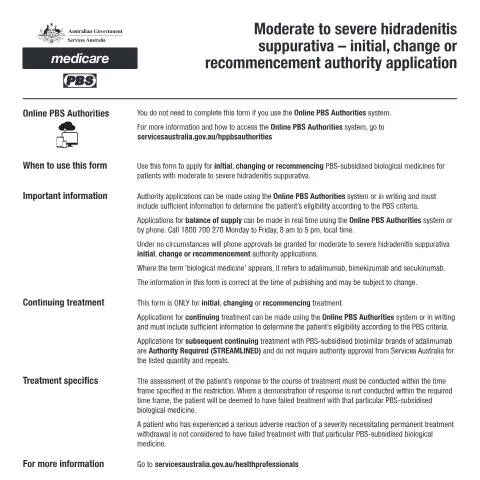
Navigating the Complexities of PB218: Hidradenitis Suppurativa Application Process
For individuals grappling with moderate to severe hidradenitis suppurativa, the path to receiving necessary medical support can feel daunting. The Moderate to Severe Hidradenitis Suppurativa - Initial, Change or Recommencement Authority Application Form (PB218) stands as a crucial document in this journey. Understanding its nuances can significantly impact the approval process and the timely access to treatment. This guide dives into the details of this application, ensuring you are well-prepared at every stage.
The Interplay of Conditions: Who Benefits from PB218?
The PB218 form is specifically designed for patients diagnosed with moderate to severe hidradenitis suppurativa. This condition, characterized by painful lumps and abscesses, can severely affect quality of life. Hence, the application form is not merely a procedural step; it serves as a lifeline for many.
Identifying Eligible Applicants
Individuals eligible to submit this form typically include:
- Patients who have been officially diagnosed by a healthcare professional.
- Those requiring initial treatment or transitioning between therapies.
- Individuals whose condition has worsened and necessitates a recommencement of previously approved treatments.
However, certain exceptions may apply. For instance, those who have undergone a recent change in their medical condition may need to provide additional documentation to support their eligibility.
Special Cases and Considerations
It’s crucial to note that not every patient will have the same experience. Factors such as simultaneous medical conditions, previous treatment responses, and even geographic location can influence the eligibility and the documentation required. Patients in rural areas might face additional challenges, such as limited access to specialists, which could be considered in the application process.
Diving into the Details: Dissecting the PB218 Form
Completing the PB218 form accurately is essential for avoiding unnecessary delays. Below, we examine the key sections of the form, highlighting common pitfalls and best practices.
Part 1: Personal Information
This section requires you to furnish your personal details, including your name, address, and contact information. Ensure that:
- All details match your official identification documents.
- You provide accurate contact information as it will be used for all communications.
Part 2: Medical Information
Here, you will need to document your medical history concerning hidradenitis suppurativa. Be thorough:
- Include dates of diagnosis and treatment.
- Document any prior therapies, including their results and any side effects experienced.
It is advisable to keep your healthcare provider in the loop, as they may need to provide supplementary documentation or insights into your treatment history.
Part 3: Treatment Plan
In this section, outline the proposed treatment plan, detailing medications and therapies under consideration or currently administered. Pay attention to:
- Clarifying why the proposed treatment is necessary based on your medical history.
- Including any recommendations or notes from your healthcare provider that can substantiate the request.
Part 4: Consent and Acknowledgment
This crucial part ensures that you understand the implications of submitting the form. In particular:
- Confirm the accuracy of the information provided to avoid repercussions.
- Grant your healthcare provider permission to discuss your case with Services Australia.
A Step-by-Step Timeline: What to Expect After Submission
After you have submitted the PB218 form, understanding the timeline and next steps is vital for managing expectations.
Initial Review
Once the form is lodged, Services Australia will conduct an initial review. This may involve:
- Verifying the authenticity of the submitted information.
- Cross-referencing your medical history with provided documents.
This initial phase usually occurs within a stipulated timeframe, although specific durations can vary based on workload and complexity of the case. Consulting the Services Australia website or contacting them directly may provide updated timelines.
Approval or Request for Further Information
Upon review, you may receive one of two outcomes:
- An approval, granting access to necessary treatment.
- A request for additional information or documents to substantiate your application.
If your application is delayed due to missing documents, a quick response will facilitate your treatment process. It’s advisable to maintain a checklist of required documents as a preventive measure.
Handling Potential Setbacks: What If Your Application Is Refused?
Receiving a refusal can be disheartening, but it’s important to remember that options are available. Understanding the appeal process can enable you to pursue further action.
Understanding the Refusal Reasons
- Insufficient medical evidence establishing severity or necessity.
- Inaccurate or incomplete information on the submitted form.
Each refusal notice should outline the specific reasons for denial, which serves as a guide for your next steps.
Formal Appeals Process
If you believe the decision is unjust, you can lodge an appeal. This involves:
- Reviewing the refusal notice thoroughly.
- Gathering additional evidence or documentation to support your case.
- Submitting the appeal within the specified timeframe indicated in the refusal letter.
Consider seeking legal advice or assistance from advocacy groups specializing in health-related cases, as they can provide valuable resources and guidance through the appeal process.
The Bigger Picture: PB218 in the Context of Health Services
The PB218 form does not exist in isolation but is one component of a broader health support framework provided by Services Australia. Understanding its role in this ecosystem is crucial.
Linking with Medicare and Other Services
Approved applications can often lead to further interactions with Medicare and related health services, which might include:
- Access to subsidized medications.
- Eligibility for allied health services, such as physiotherapy or psychological support.
Patients may need to stay informed about any co-payments or out-of-pocket expenses that could arise during treatment, which should be discussed with healthcare professionals.
Role of Health Professionals
Healthcare professionals are not just facilitators of the application but also pivotal in ensuring that patients receive holistic care. They can:
- Assist in gathering necessary documentation to strengthen the application.
- Provide ongoing support and adjustments to treatment plans based on responses to therapies.
Establishing a solid relationship with your healthcare provider is essential for navigating the complexities of treatment and support.
Final Thoughts: Preparation as a Key to Success
Filling out the PB218 form and navigating the associated processes requires diligence, attention to detail, and a proactive approach. Being well-prepared can alleviate much of the stress often associated with bureaucratic procedures. Ensuring all documentation is accurate and complete, understanding the timelines, and knowing your rights in case of a denial are pivotal steps in securing the support needed for managing hidradenitis suppurativa.
In this challenging journey, leveraging available resources—from healthcare professionals to patient advocacy groups—can make all the difference. Stay informed, seek assistance when necessary, and advocate for your health needs with determination.
Understanding the Impact of Hidradenitis Suppurativa on Daily Life
Hidradenitis suppurativa (HS) is not just a medical condition; it profoundly affects the daily lives of those who suffer from it. Patients often experience significant physical discomfort, including painful abscesses and drainage associated with the disease, which can limit their mobility and ability to perform everyday tasks. The chronic nature of HS frequently leads to emotional and psychological distress, resulting in feelings of isolation, anxiety, and depression.
Moreover, the visibility of lesions can lead to social stigma, further impacting mental health and overall quality of life. Many individuals find it challenging to maintain relationships and careers, as flare-ups may lead to absences from work or social gatherings. Therefore, obtaining the appropriate support, including accessing financial assistance through the initial, change, or recommencement authority application process (PB218), is crucial not only for managing health but also for enhancing overall well-being.
Eligibility Criteria for PB218 Application: Who Can Apply?
Before applying for assistance via the PB218 form, it is essential to understand the eligibility criteria involved. Generally, to qualify for moderate to severe HS support, applicants must provide substantial medical evidence confirming their diagnosis and the severity of their condition. This typically includes documentation from a dermatologist or qualified healthcare provider detailing the frequency of flare-ups, treatments tried, and their effectiveness.
Furthermore, applicants should be aware of the various categories under which they may apply. Individuals with a new diagnosis of HS, those whose condition has worsened, or those who require a change in their treatment regimen may all have grounds for application. However, it's essential to keep in mind that each case is assessed individually, and factors such as prior treatment responses and overall health status can influence the outcome of the application.
For individuals currently receiving support who wish to change or recommence their application, maintaining up-to-date medical records and being ready to explain the changes in their condition is vital. Regular follow-ups with healthcare providers can aid in building a comprehensive application that meets the expectations set by Services Australia.
Common Challenges in the Application Process and How to Navigate Them
Many applicants face numerous challenges when filling out the PB218 form, which can lead to delays in receiving much-needed assistance. One common issue is incomplete or insufficient documentation. To mitigate this, applicants should proactively communicate with their healthcare providers to gather the necessary evidence and ensure it is thorough and detailed. Keeping a clear record of all treatments and responses can significantly bolster an application.
Another challenge is understanding the specific requirements for submission. The transition to online forms via myGov may pose difficulties for those unfamiliar with digital platforms. It’s advisable to seek help from family members, friends, or local community health services, many of which offer support in navigating the online application process. This can include guidance on creating a myGov account, understanding the digital submission process, and ensuring all required fields are accurately completed.
Additionally, applicants may sometimes receive a notice of refusal or insufficient evidence. In such cases, understanding the reasons for the refusal is crucial. Individuals can request a merits review through the Administrative Appeals Tribunal (AAT), where they can present additional evidence or clarifications. Familiarizing oneself with this review process can empower applicants to advocate effectively for their rights and access the support they need.