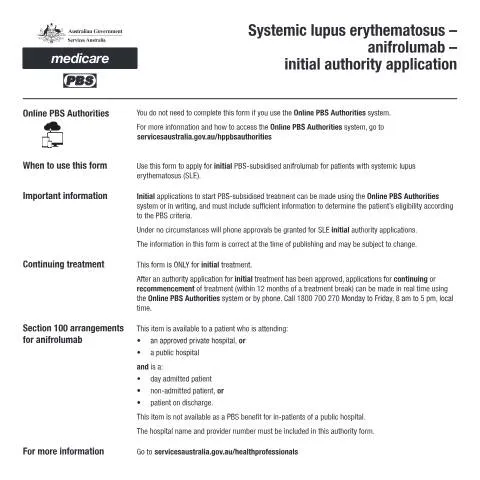
Understanding the PB365 Form: Your Gateway to Anifrolumab Treatment
When dealing with systemic lupus erythematosus (SLE), patients and healthcare providers know that access to specific treatments can be crucial. This is where the Systemic lupus erythematosus - anifrolumab - initial authority application form (PB365) comes into play. Utilizing this form is essential for healthcare professionals seeking to secure permission for their patients to access anifrolumab, a targeted therapy that can significantly impact the management of SLE.
The Role of Healthcare Providers in the PB365 Submission Process
Healthcare providers, particularly specialists in rheumatology or those who treat SLE, are responsible for initiating the PB365 application. The process is not merely administrative; it involves a comprehensive understanding of the patient’s condition and the treatment’s relevance to their specific health needs. The application serves as a bridge between the patient’s immediate health requirements and the funding approval for accessing innovative treatments.
Who Should Initiate the Application?
- Rheumatologists: These specialists possess the expertise to assess the necessity of anifrolumab for their patients.
- General Practitioners (GPs): In some cases, GPs may initiate the form if they are managing a patient’s treatment plan effectively.
Decoding the PB365 Form: Key Sections Explained
The PB365 form is structured to elicit specific information required to evaluate the patient's eligibility for anifrolumab treatment. Each section must be completed meticulously to avoid delays or rejections.
Patient Information
Start by providing comprehensive details about the patient, including:
- Name and Contact Details: Ensure accuracy; any discrepancies can lead to processing issues.
- Date of Birth: This is essential for age-related eligibility criteria.
- Health Insurance Information: Include Medicare numbers where applicable.
Clinical Information
Detailing the patient’s clinical history is vital. The healthcare provider must include:
- Diagnosis Confirmation: State the type of systemic lupus erythematosus.
- Previous Treatments: Outline any prior therapies and their outcomes.
- Current Disease Activity: Provide objective measurements such as SLEDAI scores or laboratory results.
Navigating Common Pitfalls in Form Completion
Filling out the PB365 form correctly is of paramount importance. Failure to do so can result in delays or denials. Below are some common pitfalls to avoid:
Incomplete Clinical Details
Ensure that no critical clinical information is omitted. Misrepresentation or lack of detail can lead to misunderstandings about the patient’s condition.
Errors in Coding
Use precise medical coding for diagnoses. Inaccurate codes can complicate the approval process, necessitating resubmissions.
The Importance of Supporting Documentation
Supporting documents play a crucial role in the PB365 application. These documents substantiate the need for anifrolumab treatment and should be meticulously prepared.
Essential Documents to Include
- Letters of Support: These may come from other specialists involved in the patient’s care.
- Laboratory Results: Recent tests supporting the diagnosis and treatment necessity.
- Treatment History: Documentation detailing previous treatments and responses.
Dealing with Application Refusals: Next Steps
Receiving a refusal for the PB365 application can be disheartening. However, understanding your options can help rectify the situation.
Identifying the Reason for Refusal
Upon receiving a refusal, the first step is to carefully review the correspondence from Services Australia to identify the specific reasons for the denial.
Responding to the Refusal
Depending on the reason, the healthcare provider may need to:
- Submit Additional Documentation: If the refusal was due to insufficient information.
- Clarify Misunderstandings: If the decision was based on incorrect interpretations of the data provided.
The Timeline: From Submission to Decision
Understanding the timeline of the PB365 application process can help manage expectations for both healthcare providers and patients.
Typical Processing Times
While processing times can vary, it is generally advisable to anticipate:
| Stage | Estimated Time |
|---|---|
| Initial Review | 2-4 weeks |
| Request for Further Information | 1-2 weeks |
| Final Decision | 2-3 weeks |
Following Up on Your Application: Best Practices
Once the PB365 form is submitted, proactive follow-up can expedite the process. Here’s how to effectively follow up:
Check Submission Status
Utilizing the myGov platform allows healthcare providers to check the status of the application. It’s important to keep records of the submission and any correspondence.
Contacting Services Australia
If there are delays beyond the expected processing time, consider contacting Services Australia directly. Prepare to provide the application reference number and details of the case.
The Wider Context: PB365 in the Framework of SLE Management
The PB365 form is one piece of a larger puzzle in managing systemic lupus erythematosus. It is part of a broader healthcare strategy that includes patient education, regular monitoring, and adherence to prescribed treatments.
Integrating PB365 into Treatment Protocols
Healthcare providers must ensure that submitting the PB365 form aligns with the overall management plan for SLE. This includes regular evaluations and adjustments based on the patient's response to therapy.
Patient Involvement in the Process
Encouraging patients to be involved in their treatment plan can enhance adherence to therapies, including those accessed through the PB365 application. Open communication about the purpose and importance of the application can empower patients.
Final Thoughts on the PB365 Form
Filing the PB365 is an integral step in accessing necessary treatments for systemic lupus erythematosus. It requires careful attention to detail and a thorough understanding of the administrative process involved. Ensuring all information is accurate, complete, and well-supported can significantly enhance the chances of a successful application.
For healthcare professionals navigating the complexities of the PB365 form, maintaining a focus on the patient’s best interests will always be paramount. This approach not only streamlines the application process but also strengthens the patient-provider relationship, ultimately leading to better health outcomes.
Understanding Systemic Lupus Erythematosus (SLE) in Australia
Systemic lupus erythematosus (SLE) is a complex autoimmune disease that primarily affects women during their reproductive years but can occur in anyone. Characterized by a wide array of symptoms, including fatigue, joint pain, skin rashes, and fever, SLE can lead to severe complications affecting the heart, kidneys, and other organs. The multifaceted nature of SLE means that individual experiences can vary greatly, making accurate diagnosis and effective management crucial.
In Australia, the approach to SLE involves a multidisciplinary team of healthcare professionals, including rheumatologists, dermatologists, and primary care doctors. Patients are encouraged to engage actively in their treatment plans, which may involve regular monitoring and adjustments based on their specific symptoms and disease activity. In cases where conventional treatments are insufficient, new therapies, such as anifrolumab, may be considered.
Anifrolumab: Mechanism and Treatment Insights
Anifrolumab is a monoclonal antibody designed to target the type I interferon receptor, providing a new treatment option for SLE patients who do not achieve adequate control with standard therapies. Its unique mechanism aims to modulate the immune system's response, which is often hyperactive in SLE patients. This can potentially lead to improvements in disease activity, especially in skin and joint symptoms.
Clinical trials have demonstrated that anifrolumab can lead to significant improvements in patient-reported outcomes, including quality of life and overall disease management. However, as with any medication, it is essential to discuss the potential benefits and risks with a healthcare provider. Given its recent approval, ongoing research continues to evaluate long-term safety and effectiveness in diverse populations.
Navigating the Initial Authority Application Process for Anifrolumab (PB365)
The Initial Authority Application Form (PB365) is a pivotal document for patients seeking access to anifrolumab through the Pharmaceutical Benefits Scheme (PBS) in Australia. This application process is designed to ensure that the medication is prescribed to patients who meet specific criteria, thereby optimizing the use of healthcare resources.
To complete the PB365 form, healthcare providers will need to provide comprehensive details about the patient's medical history, current treatment regimens, and the rationale for prescribing anifrolumab. This includes documentation of previous treatments, their outcomes, and any side effects experienced. The form must be submitted electronically through the appropriate channels, ensuring compliance with the Australian Government's privacy and data protection regulations.
Once submitted, the application undergoes a review process conducted by Services Australia. This involves assessing whether the applicant meets the clinical criteria outlined in the PBS guidelines, including the severity of their lupus and previous treatment responses. Applicants and their healthcare providers should be prepared for potential follow-up questions or requests for additional documentation during this evaluation period.
Overall, understanding the nuances of the PBS application process is essential for patients and providers alike. Collaborative communication between healthcare teams and patients significantly enhances the likelihood of a successful application, ensuring timely access to potentially life-changing therapies like anifrolumab.