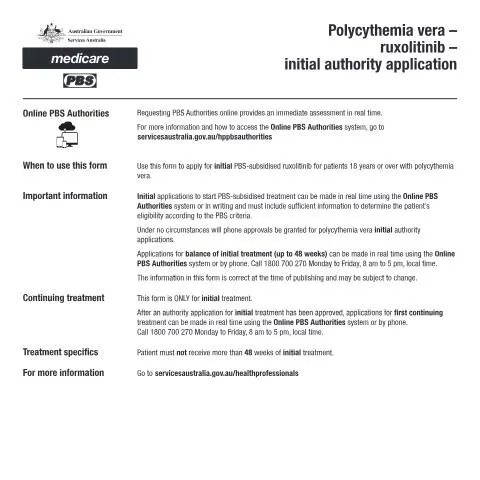
Navigating the Polycythemia Vera - Ruxolitinib Initial Authority Application Form
Polycythemia vera (PV) is a rare blood disorder characterized by the overproduction of red blood cells, which can lead to serious health complications if not managed effectively. For individuals diagnosed with this condition, accessing appropriate treatment options, such as ruxolitinib, is crucial. The Polycythemia Vera - Ruxolitinib - Initial Authority Application Form (PB388) serves as a pivotal document that initiates the process for patients to gain authority for this medication through Services Australia.
The Regulatory Framework Surrounding PB388
The necessity of the PB388 form is rooted in a broader regulatory context that governs the prescription of medications in Australia, particularly those considered high-cost or requiring special authority. Managed by Services Australia, this process ensures that patients receive medications that not only meet therapeutic needs but also comply with national health funding guidelines.
Historical Context
The approval for medications like ruxolitinib for PV management follows rigorous clinical trials and evaluations. The Therapeutic Goods Administration (TGA) plays a key role in this process, and the Pharmaceutical Benefits Scheme (PBS) assesses the cost-effectiveness and clinical efficacy of treatments. The PB388 form aligns with these regulatory requirements, enabling healthcare providers to apply for authority on behalf of their patients.
Eligibility Criteria for Applicants
To successfully complete the PB388 form, healthcare providers must ensure their patients meet specific criteria related to their health status, previous treatments, and the severity of their condition. Key considerations include:
- Confirmation of a PV diagnosis from a qualified haematologist.
- Documentation of prior treatments and the reasons for treatment transition.
- Assessment of the patient's overall health and response to current therapies.
Understanding the Submission Process
Submitting the PB388 form is a critical step that involves several options. Depending on the circumstances, healthcare providers may opt for online submission through the myGov platform, paper submission, or direct interactions with Services Australia offices. Each channel has its nuances, and understanding these can facilitate smoother processing.
Online Submission vs. Paper Submission
| Submission Method | Advantages | Considerations |
|---|---|---|
| Online (myGov) |
|
|
| Paper Submission |
|
|
Submitting at a Local Office
For those who prefer face-to-face interactions, submitting the PB388 at a local Services Australia office can be beneficial. This approach allows healthcare providers to clarify any uncertainties in real time, ensuring all documents are complete before submission. However, it is advisable to check operating hours and whether appointments are necessary due to potential wait times.
In Case of Refusal or Missing Documents
After submission, it's possible for applications to be rejected due to various reasons, including incomplete documentation or failure to meet eligibility criteria. Understanding the process for challenging a refusal or addressing missing pieces is crucial for patients and their healthcare providers.
What to Do if Your Application is Refused
Should the PB388 application be denied, the patient’s healthcare provider should receive a notification outlining the reasons. Here’s a step-by-step guide on addressing this:
- Review the refusal letter carefully to understand the grounds for the decision.
- Consult with the patient to discuss potential additional documentation or clarifications needed.
- Prepare an appeal or a re-application that addresses the reasons for the initial refusal.
Addressing Missing Documentation
If the application is incomplete due to missing documents, Services Australia will typically provide guidance on what is needed. It is prudent to follow up promptly with the additional information to avoid delays in treatment access.
Tracking the Application Progress
Once submitted, applicants often want to know the status of their PB388 application. Monitoring the application can alleviate anxiety and ensure timely treatment access. Here are some effective methods:
Utilizing MyGov for Application Tracking
For those who submitted the application online, myGov offers a user-friendly interface for tracking the application status. By logging into their account, healthcare providers can:
- View application progress updates.
- Receive notifications regarding any additional information required.
- Access decisions made by Services Australia.
Contacting Services Australia Directly
For applications submitted via paper or if there are concerns about online tracking, reaching out to Services Australia directly via phone or in-person visit can clarify any questions. Keeping a record of communications, including dates and names of the representatives spoken to, can be beneficial for follow-ups.
Understanding the Role of PB388 in Treatment Access
The PB388 is more than just a form; it is an integral part of a broader therapeutic journey for patients with polycythemia vera. Healthcare providers play a crucial role in guiding patients through this process, ensuring that all necessary steps are completed for timely access to ruxolitinib.
Integration with Ongoing Patient Care
Once authority is granted, it’s essential that healthcare providers monitor patient responses to treatment closely. This might involve regular follow-ups and adjusting treatment plans as needed based on the patient's health status and side effects experienced.
The Importance of Open Communication
Maintaining open communication between patients, healthcare providers, and Services Australia facilitates a smoother experience. Patients should feel empowered to discuss any concerns regarding their treatment options and the administrative processes involved.
Key Considerations for Healthcare Providers
Healthcare providers play a vital role in the application process for the PB388 form. A thorough understanding of both the medical and administrative aspects can enhance the likelihood of successful outcomes for their patients.
Preparing for Application Submission
Prior to submitting the application, providers should ensure that:
- All patient details are accurate and up-to-date.
- Supporting documents are complete, including medical history and previous treatment records.
- Clear justification for the need for ruxolitinib is articulated within the application.
Post-Submission Follow-up
After submission, proactive follow-up can be advantageous. This might include scheduling a follow-up appointment with the patient to discuss any updates or additional requirements from Services Australia.
Conclusion: A Comprehensive Approach to Patient Care
The PB388 application process, while administrative, has a significant impact on the lives of patients dealing with polycythemia vera. By understanding the intricacies of this form, healthcare providers can better navigate the challenges involved in securing necessary treatments like ruxolitinib. With effective communication, thorough preparation, and diligent follow-up, providers can enhance the patient experience and contribute to better health outcomes.
Understanding Polycythemia Vera and Its Treatment Options
Polycythemia vera (PV) is a type of blood cancer characterized by the overproduction of red blood cells, which can lead to increased blood viscosity and a higher risk of thrombotic events. Patients often experience symptoms like headaches, dizziness, and fatigue, which can severely impact their quality of life. To manage this condition, healthcare professionals may recommend various treatment options, including phlebotomy, low-dose aspirin, and medication like ruxolitinib.
Ruxolitinib is a Janus kinase (JAK) inhibitor primarily used for treating myelofibrosis and, more recently, PV in patients who have had an inadequate response to hydroxyurea. Ruxolitinib works by targeting specific pathways involved in the disease process, thereby reducing the overproduction of blood cells and alleviating symptoms. It is crucial for patients to have a detailed discussion with their healthcare provider about the risks, benefits, and potential side effects of starting ruxolitinib therapy.
The Initial Authority Application Process for Ruxolitinib
In Australia, accessing medications like ruxolitinib requires navigating the Pharmaceutical Benefits Scheme (PBS). To initiate treatment, patients or their healthcare providers must complete the Initial Authority Application Form (PB388). This form is critical in ensuring that the prescribed medication meets the PBS criteria for subsidization, which focuses on the clinical need and patient circumstances.
The PB388 form requires detailed patient information, including clinical history and previous treatments. The healthcare provider must carefully document the diagnosis of PV and the rationale for prescribing ruxolitinib as the treatment of choice. Information about previous therapies, treatment failures, and current health status is vital to support the application and justify the request.
Healthcare professionals must also ensure that the application is submitted through the proper channels, including myGov for electronic submissions. Any inconsistencies or incomplete information can lead to delays or rejections, so it's essential to follow the guidelines closely and double-check all entries before submitting the application.
Financial Considerations and Support Services
When navigating the treatment landscape for Polycythemia Vera and ruxolitinib, financial implications are a significant consideration for many patients. While the PBS provides subsidized access to medications, patients may still face out-of-pocket costs, especially if they do not meet all eligibility criteria for the authority application. Understanding these costs, including any associated healthcare fees, is essential for effective treatment planning.
Patients may benefit from various support services that can assist in managing the financial burden of their treatment. Healthcare providers can refer patients to financial advisors or social workers who specialize in health-related financial aid. Additionally, some non-government organizations offer support for patients with blood disorders, providing resources and information on financial assistance programs, including grants and fundraising initiatives.
It's also worthwhile for patients to discuss with their healthcare provider about accessing additional benefits through Services Australia, such as the Medicare Safety Net or other relevant concessions, which can further lower their out-of-pocket expenses. Understanding all available options not only enhances patient care but also alleviates some of the financial stresses associated with managing a chronic condition like Polycythemia Vera.