Navigating the PB320 Form: A Comprehensive Guide for Parents
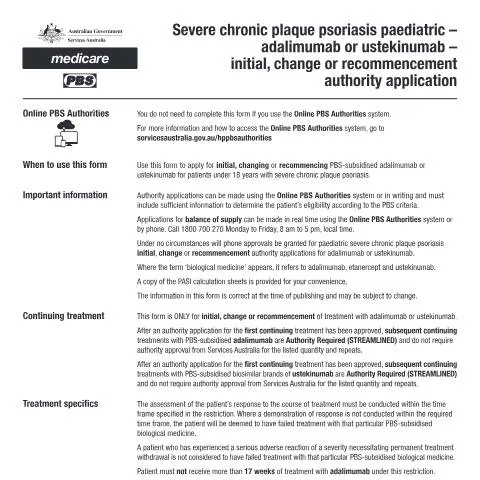
When faced with the challenges of managing severe chronic plaque psoriasis in children, understanding the procedural framework becomes essential. The PB320 form — the Severe Chronic Plaque Psoriasis Paediatric – Adalimumab or Ustekinumab – Initial, Change or Recommencement Authority Application — is a pivotal document in securing essential medication. This guide delves into the nuances of this form, shedding light on its importance, the intricacies of filling it out, and the potential implications for families.
The Underlying Importance of the PB320 Form
The PB320 form plays a crucial role in the medication authority applications administered by Services Australia. It facilitates the prescription of either adalimumab or ustekinumab for paediatric patients suffering from severe chronic plaque psoriasis. This form is not merely a bureaucratic necessity; it represents a gateway to effective treatment.
Who Needs to Submit the PB320 Form?
Primarily, this form is intended for children diagnosed with severe chronic plaque psoriasis who have not responded adequately to conventional therapies. It's vital to note that both medical professionals and guardians can initiate this application process. The following profiles are commonly associated with PB320 submissions:
- Medical Professionals: Dermatologists or paediatric specialists typically fill out this form after assessing the child's condition.
- Guardians: Parents or caregivers may play an integral role in ensuring that their child's healthcare provider submits the application.
Decoding the PB320 Form: Section by Section
Filling out the PB320 form requires careful attention to detail. Each section is designed to gather specific information necessary for a successful authority application. Below we break down the critical components of the form to ensure that applicants are well-prepared.
Patient Information
This section requests personal details about the child, including:
- Name
- Date of Birth
- Address
Accuracy in this section is crucial, as any discrepancies could lead to delays. Ensure that the information matches official documents, such as the child's birth certificate or Medicare card.
Medical History and Prior Treatments
Applicants must provide a comprehensive overview of the child's medical history, focusing on:
- Previous treatments for psoriasis
- Responses to those treatments
- Any other underlying health conditions
This is the section where many applicants make common mistakes. It’s advisable to include as much detail as possible and to avoid vague statements regarding treatment outcomes.
Proposed Treatment Plan
Clearly outlining the intended treatment plan is a critical part of the application. This should include:
- The specific medication (adalimumab or ustekinumab)
- Dosage and frequency
- Rationale for the chosen treatment
Thoroughly documenting the medical rationale behind the treatment proposal helps strengthen the application and supports the child's need for the medication.
Submission Channels: Digital vs. Paper
Understanding the available submission channels for the PB320 form is essential for timely processing. Services Australia offers multiple avenues for submission, each with its unique considerations.
Online Submission via myGov
Submitting the PB320 form online through myGov is often the most efficient method. Here’s how to navigate this process:
- Log into your myGov account.
- Access your health services section.
- Locate the PB320 form and follow the prompts to complete it online.
Online submissions often lead to quicker processing times, as digital forms are directly integrated into the administrative system.
Paper Submission
For those who prefer traditional methods, you may also submit a paper version of the PB320. However, this method might lead to longer processing times. When opting for this route:
- Ensure that all sections are fully completed and legible.
- Mail it to the specified address provided by Services Australia.
- Consider using registered post for tracking purposes.
Understanding the Implications of Submission
Submitting the PB320 form opens up a pathway to crucial treatment, but it also comes with certain responsibilities and implications for the guardians and medical professionals involved. Here’s what you need to know:
Rights and Obligations
Upon submission of the PB320 form, families gain the right to access essential treatment; however, they also take on the obligation to report any changes in the child's medical condition or treatment response to Services Australia. This commitment is vital in ensuring the ongoing appropriateness of the prescribed medication.
Consequences of Incomplete Submissions
Any omission or error on the PB320 form can lead to significant delays in processing and gaining access to the necessary treatment. It is imperative to double-check all entries before submission. Delays can result in worsening health outcomes for the child.
Complex Cases: Tailoring the PB320 for Unique Situations
Some families may encounter unique circumstances that complicate the PB320 submission process. Understanding these special cases is essential in navigating the healthcare system effectively.
International Applicants
For families residing in Australia but originally from overseas, additional documentation may be required. This can include verification of residency status and prior treatments received outside Australia. It’s advisable to consult with healthcare providers familiar with both local and international medical standards.
Minors and Guardianship Issues
In situations involving minors, the role of guardians becomes critical. If a child cannot advocate for themselves, it’s essential for parents or legal guardians to be fully informed about their rights in the application process. In some cases, involving a legal representative may be beneficial, especially if disputes arise regarding the treatment plan or authority to prescribe.
Administrative Review Process: What Happens Next?
Once submitted, the PB320 form enters the review phase conducted by Services Australia. Understanding what to expect during this stage can alleviate anxiety and encourage proactive engagement.
Initial Review and Decision-Making
Administrative officials will evaluate the submitted form against established criteria. They will consider:
- The severity of the child’s condition
- The appropriateness of the proposed treatment plan
- Compliance with previous treatment protocols
Typically, applicants can anticipate a response within a set timeframe, but this can vary based on the volume of applications being processed.
Following Up on Your Application
If you have not received feedback within the expected timeframe, it’s crucial to follow up:
- Contact Services Australia, providing your application reference number.
- Ask specific questions about the status of your application.
- Keep records of all communications for future reference.
Final Thoughts on Successfully Navigating the PB320 Process
Completing the PB320 form for severe chronic plaque psoriasis in children can be a daunting task, but understanding the specifics can significantly ease the process. Being diligent in filling out the form, selecting the appropriate submission method, and following up appropriately can ensure that your child receives the necessary treatment without unnecessary delays. The key is to stay informed, proactive, and engaged throughout this essential health journey.
Understanding the PB320 Application Process for Severe Chronic Plaque Psoriasis in Children
When dealing with severe chronic plaque psoriasis in pediatric patients, obtaining the right treatment is crucial. In Australia, medications such as adalimumab and ustekinumab are often prescribed, but they require a specific authority for subsidisation under the Pharmaceutical Benefits Scheme (PBS). The initial, change, or recommencement authority application form, known as PB320, is an essential document that must be filled out correctly to ensure that your child receives the necessary treatment.
The first step in this process involves understanding the eligibility criteria for the PB320 application. Children aged two years and older diagnosed with severe chronic plaque psoriasis that has not responded adequately to traditional therapies, such as topical treatments or phototherapy, are typically eligible. It's important to note that evidence of previous treatment attempts must be documented in the application. This could include information on the types of therapies tried, duration of treatment, and the child's response to these treatments.
Additionally, the application may require supporting documentation from a specialist dermatologist, who can provide details about the severity of the condition and the impact it has on the child’s quality of life. This medical evidence is critical in demonstrating the necessity of advanced therapies like adalimumab or ustekinumab.
After gathering all necessary documents, the next step is completing the PB320 form. Ensure that all sections are filled out accurately and that any specific requirements for the chosen treatment are met. For instance, if applying for ustekinumab, the application must clearly indicate that the child meets the criteria for ongoing therapy and that the medication has been deemed appropriate by a healthcare professional.
Key Considerations for Transitioning Between Treatments
For pediatric patients already on adalimumab or ustekinumab, transitioning between these treatments can sometimes be necessary due to various factors, including ineffectiveness, side effects, or changes in the child’s overall health status. The PB320 form is also applicable in these scenarios, particularly for recording a change in therapy.
It’s essential to provide a robust justification for switching treatments in the application. This may involve detailed clinical notes, including why the current treatment was not effective and the specific reasons for choosing an alternative option. The authority will closely scrutinise these applications to ensure that the change is in the child’s best interest and that all other treatment avenues have been explored.
Moreover, parents and caregivers should be aware that if the application for a change in therapy is successful, the PB320 form will specify the conditions under which the new treatment is approved. This includes dosage and administration guidelines, as well as the expected follow-up schedule. Close monitoring will also be necessary to assess the effectiveness of the new treatment and to report any adverse reactions as part of ongoing safety surveillance.
Recommencement Authority Application: When and How to Apply
There may be instances where a child previously received treatment with adalimumab or ustekinumab but has since had a break in therapy. In such cases, a recommencement authority application using the PB320 form is required to restart treatment. This process is particularly relevant for patients who may have experienced a temporary improvement or remission in their condition, leading to the discontinuation of therapy.
When filling out the recommencement application, it’s vital to provide a clear explanation of the reasons for the previous cessation of treatment, along with evidence of the child’s current condition. This typically includes updated medical assessments and any changes in the severity of the psoriasis since the last treatment. The application should also highlight any new factors that might necessitate the recommencement of therapy, such as a flare-up of symptoms or the impact of the condition on the child’s daily life and psychological wellbeing.
It’s also advisable to include information about the child’s adherence to previous treatment plans, as this can reflect their commitment to ongoing management of the condition. Documentation of regular follow-up appointments with healthcare providers and adherence to prescribed therapies during the previous treatment can strengthen the case for recommencement.
As with the initial application, the recommencement process may involve a waiting period for approval; hence, timely submission of the PB320 form and related documents is essential. In cases of urgency, parents or guardians should communicate this to their healthcare provider, who may assist in expediting the submission process.