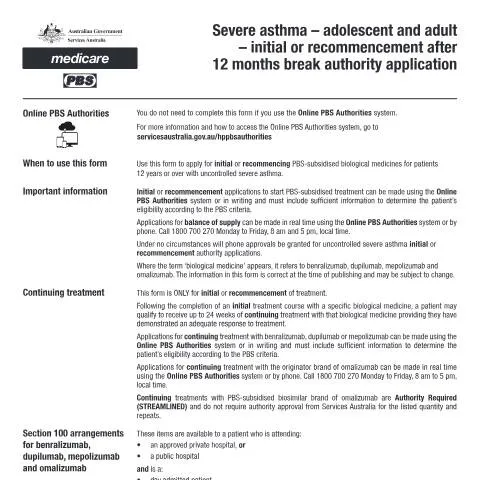
Navigating the Severe Asthma Application Process: Insights into Form PB075
Living with severe asthma can present significant challenges, particularly for adolescents and adults who are navigating treatment options. For many, accessing the necessary medications and treatments requires the submission of a specific form—Services Australia's PB075. This application serves as a critical gateway for individuals seeking authority for subsidised medications. Understanding the nuances of this document can make a significant difference in how quickly and effectively one can manage their condition.
Understanding the Distinct Role of PB075 in Asthma Management
Form PB075 is not just any application; it plays a unique role within the broader landscape of health care documentation related to asthma. Unlike general health forms that might apply to a range of conditions, PB075 is tailored specifically for those experiencing severe asthma. Its primary function is to secure access to subsidised medications, ensuring that patients are not financially burdened while managing their health.
Comparing PB075 with Other Health Forms
It is crucial to distinguish PB075 from similar forms like the PBS (Pharmaceutical Benefits Scheme) application forms or chronic condition management plans. While these documents may seem interchangeable, they cater to different needs:
| Form Type | Target Group | Purpose |
|---|---|---|
| PB075 | Adolescents and Adults with Severe Asthma | Authority for subsidised medication |
| PBS Application | General Medication Users | Subsidies for a variety of medications |
| Chronic Condition Management Plan | Patients with Chronic Conditions | Overall health management strategies |
This distinction is vital for both health professionals assisting patients and for the applicants themselves to ensure that the right documentation is submitted for their specific needs.
Who Needs to File PB075? A Closer Look at the Profile of Applicants
The individuals who find themselves needing to complete PB075 generally fall under certain profiles, particularly adolescents and adults dealing with chronic, severe asthma. However, it's essential to consider the various circumstances that may arise:
- New Applicants: Those who have never applied for subsidised medication before.
- Returning Patients: Individuals who have suspended their treatment for over 12 months and are looking to recommence.
- Adolescents Transitioning: Young adults transitioning from paediatric care to adult health services.
Special Cases and Exceptions
Some exceptions may apply depending on individual health circumstances. For instance, patients who have experienced significant changes in their health status or those who have had previous authorisations rejected may require additional documentation or support while completing the PB075.
The Steps to Completing the PB075 Form
Completing the PB075 form is a process that demands careful attention to detail. Here’s a streamlined guide on how to approach it effectively:
- Gather Required Information: Before starting the form, ensure you have the necessary personal and medical details at hand.
- Understand the Criteria: Familiarise yourself with the specific criteria for severe asthma—this can determine whether your application is successful.
- Complete the Form Accurately: Follow each section methodically, providing comprehensive but concise answers.
- Request Help if Needed: Don’t hesitate to seek assistance from health professionals if you find certain sections challenging.
Every detail in the application counts. Inaccuracies or omissions could lead to delays or denials, so double-checking your work is essential before submission.
Submitting Your PB075: Channels and Considerations
Once the PB075 has been completed, the next step is submitting it. Services Australia offers several channels through which to submit this important document:
- Online Submission: If you have a myGov account linked to Services Australia, you can submit the form digitally. This method is often quicker and provides immediate confirmation.
- Paper Submission: Alternatively, you can print the completed form and send it via post. Ensure to retain a copy for your records.
- In-Person Submission: For those who prefer face-to-face interactions, submission at a local Services Australia office is an option. Make sure to schedule an appointment if necessary.
Each method has its benefits, so consider your personal preferences and any time constraints you may have when deciding how to submit your application.
The Journey Post-Submission: What Comes Next?
After submitting PB075, applicants will enter a waiting period while Services Australia processes their application. Depending on the complexity of individual cases, this duration can vary. During this time, applicants can take proactive steps:
- Follow Up: If you haven't received confirmation of your application within a reasonable timeframe, consider reaching out to Services Australia for updates.
- Prepare for Further Questions: Be ready to provide additional information or clarification if requested. This could involve discussing your asthma management plan with your healthcare provider.
- Understand the Outcome: Once a decision is made, familiarize yourself with the contents of the decision letter. It will detail whether the application was approved or denied and the next steps to take.
Addressing Potential Denials
In cases where the application is denied, understanding the rationale behind this decision is vital. The letter from Services Australia will outline the reasons, and it may be possible to appeal the decision or reapply with additional information. The Administrative Decisions (Judicial Review) Act 1977 provides an avenue for reviewing such decisions, emphasizing the importance of proper documentation and clear communication with Services Australia.
Integrating PB075 into a Comprehensive Asthma Management Plan
While PB075 is a crucial part of managing severe asthma, it is merely one piece of a larger puzzle. Patients are encouraged to integrate the authority granted through this form into a comprehensive management plan that includes:
- Regular Medical Reviews: Continuous interaction with healthcare providers to adjust treatment as necessary.
- Education on Asthma Management: Understanding triggers, effective medication use, and emergency plans.
- Support Networks: Engaging in support groups can provide emotional support and practical advice from others facing similar challenges.
In doing so, individuals can take control of their health and ensure they are receiving the best possible care while navigating the complexities of the healthcare system.
Final Thoughts on Navigating Form PB075
The journey through the application process for PB075 is not merely about filling out a form but rather about taking an active role in asthma management. By understanding the specific requirements, ensuring thoroughness in completion, and knowing the subsequent steps, applicants can significantly improve their chances of a successful outcome. The challenges posed by severe asthma demand diligence and advocacy, and navigating the PB075 application is a key step in this ongoing journey.
Understanding Severe Asthma Management in Australia
Severe asthma is a chronic condition that can significantly impact the quality of life for adolescents and adults. In Australia, effective management of severe asthma often requires a comprehensive approach, including medical treatment, lifestyle adjustments, and ongoing support from healthcare providers. Those diagnosed with severe asthma may require specific medications, such as biologics, which are often subsidised under the Pharmaceutical Benefits Scheme (PBS) when certain criteria are met.
For both adolescents and adults, understanding how to navigate the healthcare system to access these medications is crucial. The Management Plan typically begins with a detailed assessment from a specialist in respiratory medicine. This plan is tailored to meet the individual needs of the patient. A key component of effective asthma management is the Regular Asthma Review, which should occur at least annually or more frequently if the patient’s condition changes. It is essential that patients maintain open communication with healthcare providers, reporting any changes in symptoms or triggers to ensure that their management plan remains effective.
Navigating the Application Process for PB075
The application process for PB075, which is used to seek authority to prescribe specific severe asthma medications, can be somewhat daunting for patients and healthcare providers alike. First, it is important to gather all necessary documentation before initiating the process. This includes a comprehensive asthma management plan, details of previous treatments, and any relevant medical history. Patients must ensure that their healthcare provider is familiar with the PBS criteria for severe asthma medications, as this knowledge is pivotal in successfully completing the application.
After preparing the required documentation, the healthcare provider submits the application via the PBS online portal or through traditional methods if required. A key factor to note is that the application must be submitted before the patient has commenced treatment with the prescribed medication; retrospective applications may not be accepted. If the application is approved, the patient will receive a notification confirming their eligibility, which allows them to access subsidised medications. Should the application be denied, patients have the right to seek a review of the decision through the Administrative Appeals Tribunal (AAT), ensuring they have every opportunity to contest the outcome.
It is crucial for applicants to keep track of their application status and communicate regularly with their healthcare provider to ensure that any additional information requested by the PBS is provided promptly. This proactive approach can help prevent delays in obtaining necessary medication.
Impact of Socioeconomic Factors on Asthma Management
Socioeconomic factors play a significant role in the management of severe asthma within the Australian context. Access to healthcare services, affordability of medications, and availability of support resources can vary widely based on an individual's socioeconomic status. Those from lower-income backgrounds may face challenges in accessing timely medical care, which can exacerbate their asthma condition. Furthermore, financial barriers may prevent individuals from affording necessary medications, even when they are subsidised under the PBS.
Community health programs and support groups have emerged as essential resources for those managing severe asthma, particularly for adolescents and adults in disadvantaged situations. These community-driven initiatives often provide education on asthma management, offer financial assistance for medications, and facilitate access to healthcare services. Individuals should be encouraged to explore local resources, including organisations that offer support for asthma management, to help mitigate the impact of these socioeconomic factors. Additionally, engaging with healthcare providers who understand these challenges can help in developing practical strategies for effective asthma management tailored to the individual's circumstances.
Ultimately, addressing these socioeconomic factors is vital in supporting individuals with severe asthma in Australia, allowing them to achieve better health outcomes and improve their overall quality of life.