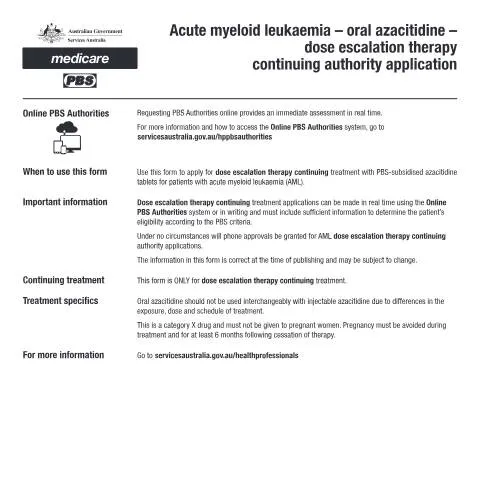
Understanding the PB355 Form in the Context of Acute Myeloid Leukaemia
The Acute Myeloid Leukaemia - Oral Azacitidine - Dose Escalation Therapy Continuing Authority Application Form (PB355) plays a pivotal role in ensuring that patients suffering from this type of leukaemia can receive necessary treatments without unnecessary delays. This document is essential for those who have been prescribed oral azacitidine as part of their ongoing treatment plan. The PB355 form is primarily utilized by healthcare professionals who are responsible for managing the treatment of patients diagnosed with acute myeloid leukaemia.
Who Needs to Complete the PB355 Form?
The PB355 form is typically completed by healthcare providers, such as oncologists or haematologists, who are actively involved in the treatment and care of patients diagnosed with acute myeloid leukaemia. Specifically, it is relevant for:
- Practitioners managing patients who are at different stages of treatment.
- Those needing to request continuing authority for dose escalation therapy.
- Healthcare professionals working with patients who may have experienced interruptions in their treatment regimen.
In certain circumstances, family members or guardians may assist in the completion of this form, particularly when the patient is a minor or unable to complete it themselves due to their medical condition.
The Essential Components of the PB355 Form
Completing the PB355 form accurately is vital to avoid delays in treatment. Here is a breakdown of the main sections included in the document:
- Patient Information: Includes personal details such as name, date of birth, and current health status.
- Prescriber Details: Information about the healthcare professional filling out the form, including their qualifications and contact details.
- Treatment History: A detailed account of the patient’s previous treatments and their outcomes, which is crucial for justifying the need for dose escalation.
- Dose Escalation Request: Specific details about the requested dose changes, including justifications based on clinical evidence.
It is imperative that every section is filled out completely and accurately to ensure a smooth approval process. Missing information can lead to delays in receiving the necessary medication.
Submitting the PB355 Form: Pathways and Protocols
Once the PB355 form has been completed, submitting it correctly is the next critical step. There are several methods available for submission:
- Online Submission: The most efficient method involves using the online services available through myGov. This platform allows healthcare professionals to submit forms directly to Services Australia, streamlining the process.
- Paper Submission: For those who prefer traditional methods, forms can be printed and mailed to the relevant Services Australia office. This method may take longer due to postal processing times.
- In-person Submission: Healthcare providers may also visit a Services Australia branch to submit the form directly. This can be beneficial for urgent cases where immediate feedback is required.
Regardless of the submission method, it’s crucial to keep a copy of the submitted form and any correspondence for your records. This may help in future interactions regarding the patient's treatment.
Timelines and Expectations: What Happens After Submission?
After the PB355 form is submitted, several timelines and processes come into play:
- Processing Time: Typically, the form is reviewed within a predefined period. However, this timeframe can vary depending on the volume of applications and the complexity of the individual case.
- Approval Notifications: Once a decision is made, healthcare providers will receive written notification from Services Australia. This will outline whether the request for ongoing therapy has been approved or declined.
- Next Steps for Patients: If approved, patients can continue their prescribed treatment without interruption. If declined, the notification will include reasons for the decision and possible next steps for reconsideration or appeal.
Understanding these timelines can help healthcare providers manage their patients' expectations effectively and prepare them for potential treatment interruptions.
The Role of the PB355 Form in the Broader Treatment Framework
The PB355 form is not just a standalone document; it is part of a larger treatment framework for managing acute myeloid leukaemia. Its role is to facilitate the ongoing provision of necessary medication, ensuring that patients receive timely doses of azacitidine during their treatment journey.
In the context of Australian healthcare, this form connects various services, including:
- Patient Care Coordination: Ensures that all healthcare providers involved in a patient’s care are informed about the treatment plan and any changes to it.
- Medicinal Supply Chains: By facilitating timely approvals, the PB355 form helps maintain a consistent supply of medication for patients.
- Insurance and Funding Processes: The approval stemming from the PB355 form is essential for health insurers and funding bodies to understand the medical necessity of the prescribed treatments.
Each of these components plays a crucial role in enhancing patient outcomes and experiences during their treatment for acute myeloid leukaemia.
Managing Complex Cases: Special Considerations for Unique Situations
While the PB355 form is designed for standard situations, some patients may present unique challenges that necessitate special considerations:
- International Patients: For those who are not Australian citizens, additional paperwork may be required to establish eligibility for treatment and funding.
- Minors and Vulnerable Individuals: Extra care should be taken to ensure that the appropriate legal guardians have consented to the treatment and the completion of the PB355 form.
- Patients with Co-Morbid Conditions: When patients have other health conditions, healthcare providers must document how these affect the treatment plan and justify the need for dose escalation.
In these cases, a well-documented form can significantly influence the approval process and ensure that the patient's holistic needs are considered in their treatment strategy.
Key Rights and Responsibilities Associated with the PB355 Form
Completing the PB355 form carries specific rights and responsibilities for both the healthcare provider and the patient:
- Rights:
- Patients have the right to receive timely access to necessary treatments as prescribed.
- Healthcare providers have the right to seek clarification or appeal decisions made by Services Australia regarding treatment approvals.
- Responsibilities:
- It is the healthcare provider's responsibility to ensure the accuracy and completeness of the PB355 form.
- Patients must adhere to the treatment protocols established by their healthcare providers to maintain eligibility for ongoing therapy.
Understanding these rights and responsibilities is vital for fostering a collaborative environment where patient care is prioritized.
Understanding Acute Myeloid Leukaemia and Treatment Options
Acute myeloid leukaemia (AML) is a complex and aggressive form of cancer that originates in the bone marrow and results in the rapid proliferation of abnormal myeloid cells. The pathophysiology of AML involves various genetic mutations and alterations in hematopoiesis, leading to ineffective blood cell production. Symptoms commonly include fatigue, fever, frequent infections, and easy bruising or bleeding. Diagnosis typically requires a combination of blood tests, bone marrow biopsies, and cytogenetic analysis to assess the specific subtype of AML.
When it comes to treatment, AML management often involves intensive chemotherapy, targeted therapies, and, in some cases, stem cell transplantation. However, treatment regimens can be highly individualized based on age, health status, and specific genetic factors of the leukaemia. Recently, oral azacitidine has emerged as an important therapeutic option for patients who may not be candidates for standard chemotherapy regimens, especially those with comorbid conditions or the elderly population.
The Role of Oral Azacitidine in AML Treatment
Oral azacitidine, an innovative DNA methyltransferase inhibitor, plays a crucial role in the management of AML, particularly in patients with specific cytogenetic abnormalities. This medication works by reversing the abnormal DNA methylation patterns that contribute to the malignancy. By reactivating tumor suppressor genes, azacitidine can promote differentiation and apoptosis of malignant cells, leading to disease stabilization or remission.
For patients receiving azacitidine treatment, adherence to prescribed dosing regimens is vital. The usual starting dose and any subsequent dose escalations should be carefully monitored by healthcare professionals to mitigate potential side effects, which may include nausea, vomiting, fatigue, and hematological abnormalities such as thrombocytopenia and neutropenia. Continuous monitoring of blood counts and overall health status is essential. Patients diagnosed with AML may also require supportive therapies including blood transfusions and growth factors to maintain their wellbeing throughout the treatment process.
Application for Continuing Authority for Oral Azacitidine: A Step-by-Step Guide
For healthcare providers and patients alike, navigating the administrative process for obtaining continuing authority approval for oral azacitidine can be daunting. This process is crucial to ensuring that patients have uninterrupted access to their prescribed treatment. The Continuing Authority Application Form (PB355) is essential for this purpose.
To complete the PB355 form, providers must gather comprehensive information regarding the patient's diagnosis, treatment history, and current health status. The key components include:
- Patient Identification: Include the patient’s full name, date of birth, and Medicare number.
- Clinical Details: A summary of the patient’s medical history, including the specific subtype of AML, previous treatments, and their outcomes.
- Current Treatment Plan: Document the dosage and frequency of azacitidine administration, as well as any dose escalations being recommended.
- Justification for Continuing Authority: A clear rationale for the need for continuing authority, including potential benefits and risks associated with the treatment escalation.
Once completed, the form can be submitted electronically through myGov or via post to the relevant pharmaceutical authority. It’s advisable to keep copies of all submitted documents for future reference. The processing time for applications can vary, so early submission is recommended to avoid treatment delays.