Navigating the Application Process for Chronic Myeloid Leukaemia Treatment
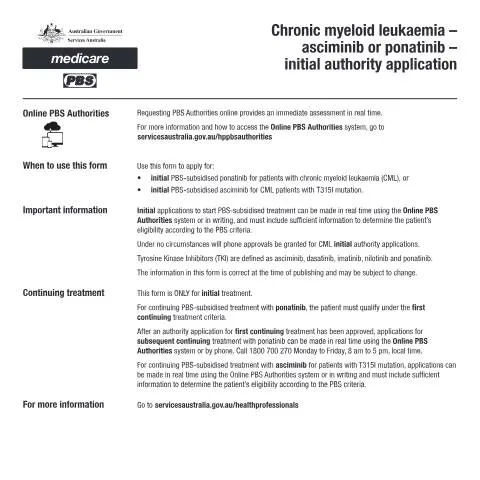
When faced with a diagnosis like chronic myeloid leukaemia (CML), the journey towards effective treatment can feel daunting. One crucial step in this journey is securing approval for novel therapies, such as asciminib or ponatinib, through the PB171 - Chronic Myeloid Leukaemia - Asciminib or Ponatinib - Initial Authority Application Form. This application allows health professionals to request access to these critical medications for their patients.
A Closer Look at PB171: What Drives Its Necessity?
The PB171 form is underpinned by the regulatory framework established by Services Australia, aimed at ensuring that treatments are both effective and accessible. The Australian healthcare system emphasizes the importance of evidence-based medicine, making this application process integral for patients to receive the appropriate therapy for their CML.
The Legislative Framework
The necessity of this form is rooted in the Pharmaceutical Benefits Scheme (PBS), which is designed to make medicines more affordable for Australians. By requiring healthcare professionals to submit an application, the system can assess the clinical needs of patients accurately. It's crucial to understand that not all medications are automatically covered; thus, health professionals must demonstrate that a specific treatment is essential for their patient’s wellbeing.
Understanding the Timeline: Key Dates and What Follows
Timeliness is of the essence when it comes to submitting the PB171 form. The application process is often time-sensitive, especially for patients needing immediate treatment. Here’s a breakdown of the timeline you can expect:
- Application Submission: Once you have completed the form, submit it promptly to avoid delays in treatment.
- Assessment Period: After submission, Services Australia typically takes a specified period to review the application. During this phase, they will evaluate the clinical justification provided.
- Outcome Notification: You will receive a notification regarding the outcome of the application, which is crucial for planning the next steps in treatment.
What Happens Next?
Once the application is approved, the next phase involves coordinating with pharmacies and healthcare providers to ensure the medication is available to the patient. If the application is denied, the healthcare provider may need to explore alternative treatments or reapply with additional information.
Preparing for Submission: Key Documentation and Considerations
Filling out the PB171 form requires careful preparation of documentation to support the application. Ensuring that all necessary information is included is vital for a successful outcome. Here’s what you should consider:
- Clinical Evidence: Provide comprehensive information about the patient's medical history and the necessity for the requested medication.
- Current Treatments: Include details regarding any previous treatments and responses to those therapies.
- Supporting Letters: Recommendations or letters from specialists can bolster the application significantly.
Common Documentation Pitfalls to Avoid
When preparing the application, common pitfalls include:
- Omitting critical clinical information.
- Failure to include supporting documentation.
- Submitting incomplete forms, which can delay processing times.
Decoding the PB171 Form: Step-by-Step Guide
Understanding the specifics of the PB171 form is essential for successful completion. Below is a breakdown of its key sections:
| Form Section | Description | Common Mistakes |
|---|---|---|
| Patient Information | Details about the patient including demographics and medical history. | Incorrect or incomplete demographic information. |
| Clinical Details | Information about the diagnosis and previous treatments. | Neglecting to provide a thorough history. |
| Justification for Treatment | Rationale for requesting asciminib or ponatinib specifically. | Lack of strong clinical evidence supporting the choice. |
Tips for Accurate Completion
Accuracy in this section is paramount. Double-check for:
- Legibility of handwriting if filling out a paper form.
- Consistency in dates and medical history.
- Correctly citing clinical guidelines or studies where applicable.
Managing Outcomes: What to Do in Case of Denial
Receiving a denial for the PB171 application can be disheartening, but it's essential to remain proactive. Here are the steps to follow:
- Review the Denial Notice: Understand the reasons for the denial to address any specific issues.
- Gather Additional Evidence: Collect any further documentation or clinical evidence that could support your case.
- Request a Review or Reapply: If warranted, you can either request a review of the decision or submit a new application with the additional information.
Communication with Services Australia
Staying in contact with Services Australia during this process is crucial. Consider reaching out via their official communication channels to clarify any points of confusion or to check on the status of your application.
Monitoring Your Application: Tracking Progress and Next Steps
Once you've submitted the PB171 form, understanding how to monitor the progress of your application is essential. Here’s how you can ensure you stay updated:
- Utilize myGov: Linking your application to your myGov account can provide real-time updates on its status.
- Direct Inquiries: Don’t hesitate to contact Services Australia for updates if you haven’t received a response within a reasonable timeframe.
- Documentation of Communications: Keep a record of all communications you have with Services Australia to facilitate any follow-ups.
Understanding the Review Process
If the initial application is reviewed, knowing the process can help manage expectations. Typically, a Medical Officer will evaluate the submission against established clinical criteria and guidelines.
Conclusion: Empowering Patients Through Knowledge
Applying for the PB171 form represents a vital step in the journey of patients seeking treatment for chronic myeloid leukaemia. By understanding the nuances of the application process, preparing effectively, and knowing how to navigate potential setbacks, healthcare professionals can significantly influence the treatment trajectory for their patients. The knowledge of what to expect and how to respond can make all the difference in accessing vital therapies like asciminib or ponatinib.
Understanding the Initial Authority Application Process for Asciminib and Ponatinib
The Initial Authority Application Form (PB171) serves as a crucial entry point for patients in Australia seeking access to specific medications like asciminib and ponatinib for the treatment of chronic myeloid leukaemia (CML). Familiarity with the application process can significantly enhance the likelihood of a successful request, as it involves not only medical considerations but also detailed administrative requirements.
Patients and healthcare providers must comprehend the basic stipulations that govern the application. The form is specifically designed for medications that may not be accessible through the Pharmaceutical Benefits Scheme (PBS) unless deemed medically necessary. Asciminib and ponatinib are both targeted therapies; however, they come with specific indications and restrictions outlined by the PBS. It is essential to establish that the patient has been previously treated with other therapies and has not achieved satisfactory results.
When preparing the PB171 form, practitioners must ensure that they provide thorough documentation of the patient's medical history, treatment outcomes, and the rationale for prescribing either asciminib or ponatinib. The application requires detailed clinical information, including previous treatments, dosages, and any adverse effects experienced. This comprehensive data not only supports the need for the requested therapy but also aligns with the PBS's requirement for rigorous documentation.
Healthcare providers should also be aware that the PB171 form can often be submitted electronically through myGov or other online platforms. Ensuring all necessary supporting documents are included—such as pathology results, specialist reports, and prior treatment records—will facilitate a smoother submission process. Moreover, it is advisable to keep the patient informed throughout the process, ensuring they understand what support they can expect and any potential timeframes involved.
Eligibility Criteria and Considerations for Asciminib and Ponatinib
The eligibility criteria for accessing asciminib and ponatinib under the PB171 form are outlined by the PBS and hinge on specific clinical parameters. Both medications are designed for individuals who have previously shown resistance or intolerance to other forms of treatment, making the correct identification of eligible patients critical. Understanding these criteria is pivotal for both healthcare providers and patients alike to navigate the complexities of treatment options successfully.
- Prior Treatments: To qualify for treatment with either asciminib or ponatinib, patients must demonstrate a history of chronic myeloid leukaemia treatment failures. This typically includes a documented record of prior therapies, including imatinib and other tyrosine kinase inhibitors (TKIs).
- Genetic Testing: Genetic factors play a significant role in determining the appropriateness of these medications. For instance, patients who exhibit specific mutations—such as the BCR-ABL T315I mutation—may be more likely to benefit from ponatinib. Documentation of these genetic tests is essential and should accompany the PB171 submission.
- Overall Health Status: Assessment of the patient’s overall health and any co-morbid conditions is necessary. Patients must be assessed for their capacity to tolerate the side effects associated with each medication. This assessment often involves collaborative consultations among oncology specialists, pharmacists, and general practitioners.
It is important to note that the eligibility criteria may also vary slightly according to state or territory regulations, highlighting the need for healthcare providers to be well-versed in both national guidelines and local protocols. Moreover, keeping abreast of any changes in PBS guidelines or updates related to these medications is essential, as this can directly affect treatment options for eligible patients.
Supporting Patients Through the Application Process
As patients navigate the Initial Authority Application process for asciminib or ponatinib, healthcare providers can play a pivotal role in supporting them through the various stages. This support extends beyond the submission of the PB171 form, encompassing education, emotional support, and logistical assistance. The following strategies can facilitate a smoother experience for patients and ensure they receive the necessary treatments in a timely manner.
- Education on Treatment Options: Patients often have many questions regarding their treatment choices. Providing clear and comprehensive information about asciminib and ponatinib, including potential side effects and expected outcomes, will empower them to make informed decisions. This knowledge can reduce anxiety and foster a cooperative relationship between patients and healthcare providers.
- Coordination of Care: Given the multi-disciplinary nature of cancer treatment, healthcare providers should coordinate care among various specialists involved in a patient's treatment plan. This may include oncologists, hematologists, pharmacists, and nurses. Ensuring that all healthcare team members are on the same page can lead to a more streamlined application process and improved patient outcomes.
- Monitoring and Follow-up: After the application has been submitted, maintaining regular follow-up with patients is essential. This can involve checking in on the status of the application and managing any side effects or complications that arise during treatment. Being proactive in patient care can significantly enhance patient satisfaction and treatment adherence.
Overall, while the process of applying for access to asciminib or ponatinib can be complex, a supportive and informed healthcare environment can greatly aid patients in overcoming these challenges. The successful navigation of the PB171 application process hinges on the collaboration between patients and healthcare providers, ensuring that appropriate treatments are accessible when they are most needed.