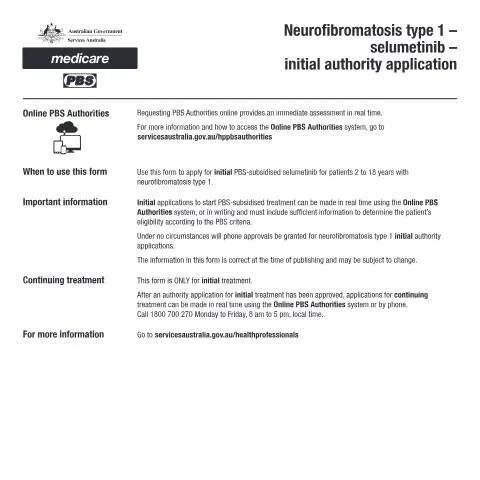
Navigating the Neurofibromatosis Type 1 Application Process
For those dealing with the complexities of Neurofibromatosis Type 1 (NF1), understanding the administrative maze surrounding the initial authority application for selumetinib through Services Australia is crucial. This application, referenced as PB370, is a vital step for health professionals who are seeking to obtain subsidised access to this specific medication for their patients.
Who Initiates the PB370 Form?
The responsibility for submitting the PB370 application typically rests with medical practitioners who are directly involved in the treatment of patients diagnosed with Neurofibromatosis Type 1. This includes various specialists such as oncologists, dermatologists, and neurologists who understand the nuances of this condition and the treatment impacts. The health professional must be familiar with the patient's medical history and treatment needs in order to complete the application comprehensively.
Identifying the Right Practitioner
It is important to choose the right medical professional to initiate this process. Here are key considerations:
- Specialization: The practitioner should ideally have experience in treating NF1 or similar health conditions.
- Patient History: A thorough knowledge of the patient’s prior treatment and response is essential for a successful application.
- Communication: The health professional should maintain open lines of communication with the patient and their family regarding the treatment plans.
Understanding the Role of the PB370 Form in Treatment Protocols
The PB370 form plays a pivotal role in the treatment landscape for patients with NF1. It is more than just an application; it acts as a bridge connecting patients with necessary therapeutic interventions while navigating the complex health reimbursement structures in Australia.
Significance in Treatment Access
The successful completion and submission of the PB370 form enables patients to gain subsidised access to selumetinib. This can lead to significant improvements in their quality of life, particularly as NF1 can manifest in various debilitating ways, including tumors and pain. Understanding the broader implications of this medication helps underscore the importance of a well-prepared application.
Steps to Complete the PB370 Form Efficiently
Completing the PB370 form requires meticulous attention to detail and preparation. Here’s a structured approach to ensure a smooth process:
Gather Necessary Documentation
Before starting the form, ensure the following documentation is readily available:
- Patient’s medical records: Detailed history of NF1, treatment prior to selumetinib, and any relevant imaging or pathology reports.
- Referral Letters: Any letters from specialists that can support the application.
- Consent Forms: Ensure the patient has provided consent for their medical information to be shared.
Filling Out the Form
When completing the form, pay attention to the following:
- Be concise yet comprehensive in detailing the patient's medical history.
- Clearly outline the treatment rationale for selumetinib, including expected benefits.
- Ensure all sections of the form are completed to avoid delays in processing.
Submission Channels: Online, Paper, and In-Person
When it comes to submitting the PB370 form, Services Australia offers various channels. Each has its nuances that can affect processing times and efficiency.
Online Submission via myGov
The online submission via myGov is the most efficient way to lodge the application. Here’s why:
- Speed: Submissions are processed quicker online than paper forms.
- Tracking: You can easily track the status of your application through your myGov account.
- Convenience: The online portal allows for easy uploads of supporting documents.
Submitting Paper Forms
For those who prefer traditional methods, paper submissions are still an option. Consider the following:
- Postal Delays: Bear in mind that postal submissions may take significantly longer to process.
- Document Handling: Ensure all documents are securely attached to prevent loss.
In-Person Submissions
While less common, some health professionals may opt to submit the form in person at a Services Australia office. This can be beneficial for:
- Immediate feedback on the application.
- Direct communication with staff for any queries.
Addressing Potential Refusals and Errors
In navigating the complexities of the PB370 application, it is possible that an application may be refused or returned due to errors. Understanding the pathways to address these issues is paramount for health professionals.
Dealing with Refusal
If the application for selumetinib is refused, it is essential to consider the following steps:
- Review Reasons: Carefully read the refusal letter to understand the basis for the decision.
- Correcting Errors: Address any mistakes identified in the initial application.
- Reapplication: Submit a new application if further evidence has been gathered or if the initial application can be improved.
Handling Missing Documentation
In the event that documents are missing, the following measures can be taken:
- Contact Services Australia: Reach out as soon as possible to clarify what is missing.
- Gather Supporting Evidence: Work quickly to obtain any outstanding documentation.
- Timeliness: Submit the missing documents as soon as they are available to reduce delays.
Understanding the Framework Behind PB370
The PB370 form exists within a broader regulatory and legislative context aimed at ensuring patients can access necessary medical treatments efficiently and fairly. Understanding this framework can provide insight into how best to navigate the application process.
Legislative Background
This application is governed under the Administrative Decisions (Judicial Review) Act 1977 (Cth), which allows for merits review via the Administrative Appeals Tribunal (AAT). This means that if a health professional believes that an application has been unjustly denied, there are avenues for review.
Current Treatment Landscape for NF1
The treatment options for NF1 have evolved, particularly with the advent of new medications like selumetinib. The PB370 form is essential in obtaining access to these therapies, which can significantly impact patient outcomes. Understanding the ongoing developments in treatment protocols can aid practitioners in making informed decisions regarding patient management.
Chronology of the Application Process
Understanding the application process’s timeline helps set expectations for health professionals and patients alike. Below is a typical sequence of events from the decision to apply until the patient receives treatment.
Step-by-Step Process
- Initial Consultation: The patient discusses treatment options with their health professional.
- Form Preparation: Gather all necessary documentation and complete the PB370 form.
- Submission: Submit the application via the selected submission channel.
- Processing Time: Await feedback from Services Australia, which can vary.
- Receive Decision: If approved, the patient will be notified of their eligibility for selumetinib.
- Initiate Treatment: The patient begins the treatment protocol as per the plan outlined by their health professional.
Anticipating the Outcomes
It is important to prepare both the patient and their families for the potential outcomes of the application process. This includes discussing the implications of a successful application as well as outlining what steps to take if the application is denied.
The PB370 Form in the Bigger Picture
The PB370 form is a crucial component of a patient’s journey through the healthcare system in Australia, especially for those affected by NF1. It serves as a reminder of the importance of thorough documentation, diligent follow-through, and proactive management of patient care pathways.
By understanding the complexities and requirements of the PB370 form, health professionals can significantly enhance the chances of a successful application for selumetinib, ultimately benefiting their patients’ health outcomes.
Understanding Neurofibromatosis Type 1 and Selumetinib
Neurofibromatosis type 1 (NF1) is a genetic disorder characterized by the presence of multiple benign tumors called neurofibromas, which commonly develop on the skin and along the nerves. The disorder can lead to a variety of complications, including learning disabilities, skeletal abnormalities, and a higher risk of certain cancers. The condition is caused by mutations in the NF1 gene, which plays a crucial role in regulating cell growth.
Selumetinib, an MEK inhibitor, represents a breakthrough in the treatment of NF1-related plexiform neurofibromas (PN), particularly in pediatric patients. Plexiform neurofibromas are complex tumors that can cause significant morbidity due to their size and location. Selumetinib works by interrupting the signaling pathways that drive tumor growth, thereby reducing the size of these tumors and potentially alleviating associated symptoms. Clinical trials have demonstrated the efficacy of selumetinib, leading to its approval for specific use cases within Australia.
For patients and caregivers navigating the complexities of NF1 treatment options, understanding selumetinib's role, potential side effects, and the importance of a comprehensive care approach is crucial. Discussing treatment with health professionals, particularly those experienced in managing NF1, is essential for making informed choices.
Initial Authority Application Process for Selumetinib
Applying for selumetinib through the initial authority application form (PB370) involves several steps, tailored to ensure that patients receiving the medication meet the necessary criteria set by the Pharmaceutical Benefits Scheme (PBS). It is vital to ensure that the application is completed correctly to avoid delays in accessing treatment.
Eligibility Criteria: Before commencing the application, healthcare providers must confirm that the patient qualifies under the specific criteria for selumetinib. This typically includes having a confirmed diagnosis of NF1 and the presence of symptomatic plexiform neurofibromas. Additional considerations such as age, previous treatment history, and response to other interventions may also be factored into the eligibility assessment.
Completing the PB370 Form: The PB370 form can be accessed online via the PBS website, and it's essential to follow the instructions closely. The form requires detailed information about the patient's medical history, current medications, and any previous treatments for the condition. Accurate and up-to-date clinical information is critical, as any discrepancies may result in the application being rejected or delayed.
Supporting Documentation: Alongside the filled-out PB370 form, supporting documentation is paramount. This may include:
- A comprehensive medical report summarizing the diagnosis and stating the clinical need for selumetinib.
- Any imaging or biopsy results demonstrating the presence and characteristics of plexiform neurofibromas.
- Evidence of previous treatments attempted and their outcomes.
Submission Process: Once the form and supporting documents are gathered, the healthcare provider must submit them through the designated channel. This can typically be done electronically, making it essential to ensure that all files are correctly formatted and legible.
Awaiting Approval: After submission, the waiting period for approval can vary based on the complexity of the case and the volume of applications being processed. Patients and their families should remain in close contact with their healthcare provider during this time to stay informed about the status of their application.
After Approval: If the application is approved, patients will receive a notification detailing the next steps for accessing selumetinib. This might include guidance on where to fill their prescriptions and any necessary follow-up appointments to monitor treatment progress.
Support Resources for Patients and Caregivers
Navigating the healthcare system and managing a chronic condition like NF1 can be daunting for patients and their families. Fortunately, several resources in Australia offer invaluable support for those affected by neurofibromatosis and those applying for selumetinib.
Patient Advocacy Groups: Organizations like the Neurofibromatosis Network Australia provide resources, support groups, and advocacy for individuals and families dealing with NF. These groups often organize educational workshops, offer access to specialists, and connect patients with others who share similar experiences.
Counseling and Mental Health Support: Managing a chronic illness can take a toll on mental health. Access to counseling services can provide emotional support and coping strategies for both patients and caregivers. Healthcare providers can often refer families to mental health resources that specialize in chronic illness.
Financial and Legal Advice: Understanding the financial implications of treatment can be overwhelming. Patients may benefit from consulting with organizations that provide legal and financial advice, particularly concerning navigating health insurance, government benefits, and accessing support services.
Clinical Trials and Research Opportunities: For some patients, participating in clinical trials can offer early access to new treatments or therapies not yet widely available. Families should discuss this option with their healthcare team, as researchers frequently seek participants for studies focused on NF treatments, including selumetinib.
Educational Resources: Online platforms and literature specifically focused on NF1 can provide families with critical information about the condition. Understanding the complexities of NF1 and treatment options empowers patients to engage actively in their care.
Accessing appropriate support and resources can make a significant difference in the overall well-being and treatment journey of individuals with neurofibromatosis type 1. Connecting with a supportive community and informed healthcare professionals can ease the challenges posed by the condition and improve the quality of life for those affected.