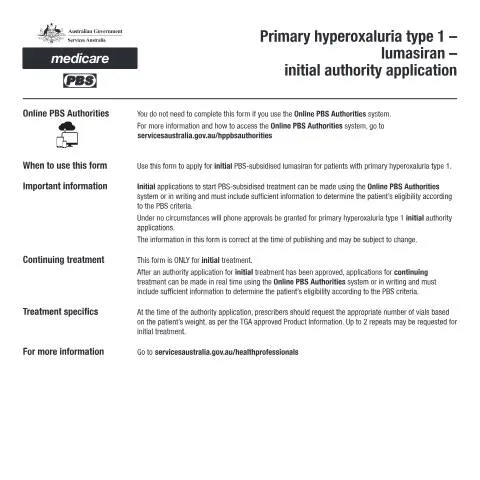
Navigating the PB389 Form: A Comprehensive Guide
The PB389 form, formally recognized as the "Primary hyperoxaluria type 1 - lumasiran - initial authority application form," is an essential document for health professionals involved in the treatment of patients with this rare genetic condition. This guide delves into the intricacies of this form, helping you understand its purpose, the process of completion, and the subsequent steps involved.
Who Should Complete the PB389 Form?
Understanding the profiles of individuals who need to complete the PB389 form is crucial. This form is primarily aimed at health professionals, particularly those involved in the care and management of patients diagnosed with Primary Hyperoxaluria Type 1 (PH1). This genetic disorder leads to excessive production of oxalate, which can result in kidney damage and other serious health issues.
- Health Professionals: Typically, nephrologists or specialists in metabolic disorders will be the ones to submit this application.
- Patients: While patients themselves do not submit the form, they play a vital role in providing necessary information regarding their condition.
- Family Members: In some cases, family members may assist in the process, particularly when the patient is a minor or unable to complete the form independently.
Unpacking the PB389: A Section-by-Section Breakdown
The PB389 form consists of several key sections, each requiring specific information. Accurate completion is vital for a successful application. Below, we dissect each section, providing insight into common challenges and essential details for each part.
1. Patient Information
This initial section requires comprehensive details about the patient, including:
- Full Name: Ensure the name matches official identification documents.
- Date of Birth: Use the correct format (DD/MM/YYYY) to avoid any discrepancies.
- Contact Details: Up-to-date information is crucial for communication regarding the application status.
2. Medical History
Providing an accurate medical history is foundational for this application. Health professionals must include:
- Diagnosis of Primary Hyperoxaluria Type 1: Clearly state the diagnostic criteria and tests performed.
- Previous Treatments: Document any prior therapies, including their outcomes.
Be cautious; incomplete or inaccurate medical histories can lead to delays or denial of authority for lumasiran treatment.
3. Treatment Justification
This critical section requires the health professional to justify the need for lumasiran therapy. Key elements to focus on include:
- Rationale for Treatment: Clearly articulate why lumasiran is necessary and how it aligns with the patient's specific condition.
- Expected Outcomes: Describe anticipated benefits from the treatment, backed by clinical evidence when possible.
A Step-by-Step Journey: From Submission to Decision
Understanding the journey from form submission to receiving an authority decision helps in managing expectations. Here’s how it typically unfolds:
1. Form Submission
Once the PB389 form is fully completed, it should be submitted through the appropriate channels defined by Services Australia. Double-check that all required documents are attached, as incomplete submissions may lead to delays.
2. Review Process
After submission, the application enters a review phase where Services Australia evaluates the information provided. This phase can vary in length depending on their current workload.
3. Authority Decision
Once the review is complete, Services Australia will issue a decision regarding the authority for lumasiran treatment. If approved, the treatment can commence; if denied, it is crucial to understand the reasons and explore next steps.
The Regulatory Framework Behind the PB389 Form
The PB389 form operates within a broader regulatory context. The Administrative Decisions (Judicial Review) Act 1977 (Cth) governs decisions made by Services Australia, ensuring fair review processes. This establishes the right to seek merits review from the Administrative Appeals Tribunal (AAT) in case a decision is unfavorable.
This framework ensures that both patients and health professionals have a structured avenue for appeal, enhancing transparency and accountability in the system.
Understanding Your Rights and Obligations
Completion and submission of the PB389 form open the door to treatment options but also come with certain rights and responsibilities.
- Right to Treatment: Upon receiving approval, patients gain access to lumasiran therapy, which is essential for managing PH1.
- Obligation to Provide Accurate Information: It is imperative that all information submitted is truthful and complete, as any discrepancies can lead to legal ramifications or jeopardize treatment access.
Addressing Unique Cases: Special Considerations
Certain scenarios may complicate the submission process of the PB389 form. Here are some unique situations to consider:
1. Minors and Dependents
When the patient is a minor, a parent or legal guardian must complete the form. Careful attention should be given to provide all necessary consent and documentation that supports the minor’s medical treatment needs.
2. Non-Residents and Foreign Nationals
Individuals who are not permanent residents may face additional requirements when submitting the PB389 form. It’s advisable to consult with Services Australia regarding any implications regarding eligibility for lumasiran treatment.
3. Complex Cases
Patients with co-existing medical conditions may require a more detailed justification for treatment. The health professional should clearly outline how lumasiran will address the specific challenges posed by these conditions.
What to Do in Case of Refusals or Errors
Receiving a denial can be disheartening, but understanding the recourse available is essential. Upon a refusal of the PB389 application:
1. Review the Decision
Carefully assess the reasons provided by Services Australia for the denial of the application. Often, it may stem from incomplete information or a lack of justification for treatment.
2. Correct Errors
If an error is identified in the submission, promptly rectify it. This could involve gathering additional documentation or resubmitting the form with the correct information.
3. Seek Review
If the application continues to be denied after corrections, consider lodging an appeal with the AAT. This can provide a pathway for a more thorough review of the case.
Preparing Necessary Supporting Documentation
The PB389 form requires various supporting documents to substantiate the application. Being organized and thorough can significantly impact the review process.
| Document Type | Description | Importance |
|---|---|---|
| Clinical Reports | Detailed reports from specialists outlining the diagnosis and treatment history. | Critical for establishing the medical necessity of lumasiran therapy. |
| Patient Consent Forms | Documentation confirming patient consent for treatment and information sharing. | Essential for legal compliance and ethical treatment practices. |
| Previous Treatment Outcomes | Information on past treatments and their effectiveness. | Helps to justify the need for a new treatment approach. |
Preparing these documents before starting the PB389 form can expedite the submission process and minimize the chances of delays in receiving an authority decision.
Conclusion: A Path Forward
Completing the PB389 form is a vital step in securing access to lumasiran for patients suffering from Primary Hyperoxaluria Type 1. By understanding the intricacies of the form, the process involved, and the necessary documentation, health professionals can navigate this journey more effectively, ensuring that patients receive timely and necessary treatment. Whether dealing with common scenarios or more complex cases, being informed empowers health professionals to advocate effectively for their patients.
Understanding Primary Hyperoxaluria Type 1 and Its Implications
Primary hyperoxaluria type 1 (PH1) is a rare genetic disorder characterized by excessive production of oxalate, leading to kidney stones, renal failure, and potential systemic complications. The condition stems from a deficiency in the enzyme alanine-glyoxylate aminotransferase (AGT), which is crucial for the metabolism of glyoxylate. Due to the ongoing accumulation of oxalate, patients are at risk for oxalate nephropathy, which can result in serious health complications if not managed properly.
In Australia, the management of PH1 often requires specialized medical care, including dietary adjustments and pharmacological therapies. One of the newer treatment options available is lumasiran, an RNA interference therapy designed to reduce the production of oxalate in the liver. Understanding the nuances of this condition is vital for healthcare providers and patients alike, particularly in navigating the complexities of treatment applications, funding, and ongoing management.
The Role of Healthcare Professionals in the Application Process
Submitting an initial authority application for lumasiran (PB389) is not solely the responsibility of the patient. Healthcare professionals play a critical role in ensuring the application is completed accurately and comprehensively. This involves several key steps: assessing the patient's eligibility, providing detailed clinical information, and submitting the necessary documentation to demonstrate the necessity of the treatment.
Specialists, such as nephrologists or geneticists, typically lead the evaluation process. They must collect relevant medical history and evidence of PH1 diagnosis, potentially including genetic testing results. Additionally, precise documentation explaining the patient's specific circumstances—such as previous treatments attempted, response to those treatments, and any complications faced—can significantly bolster the application. Furthermore, healthcare providers should stay abreast of the latest guidelines from Services Australia regarding the criteria for lumasiran approval, ensuring that they can advocate effectively for their patients.
Financial Considerations and Support Services for Patients
Understanding the financial implications of treatment for primary hyperoxaluria type 1 is crucial for patients navigating the healthcare system. The cost of lumasiran therapy can be substantial, and while it may be subsidized through the Pharmaceutical Benefits Scheme (PBS), there may still be out-of-pocket expenses associated with consultations, diagnostics, and additional therapies. Patients should be aware of their rights regarding PBS subsidies, as well as potential financial support from patient advocacy groups or charitable organizations.
In addition to PBS subsidies, patients may explore options such as accessing financial assistance programs through their healthcare providers, which can help manage costs associated with lumasiran. Moreover, services provided by the National Disability Insurance Scheme (NDIS) can also be relevant for some individuals, particularly if their condition impacts their ability to work or participate in daily activities. Understanding these financial avenues can alleviate stress and ensure that patients focus on their health and well-being.
Patients are encouraged to engage in open discussions with their healthcare teams about the financial aspects of their treatment, as transparency is essential in creating a sustainable care plan. By being proactive about understanding costs and available support, patients can take significant steps toward managing their conditions more effectively.