Navigating the Neurofibromatosis Type 1 Treatment Approval Process
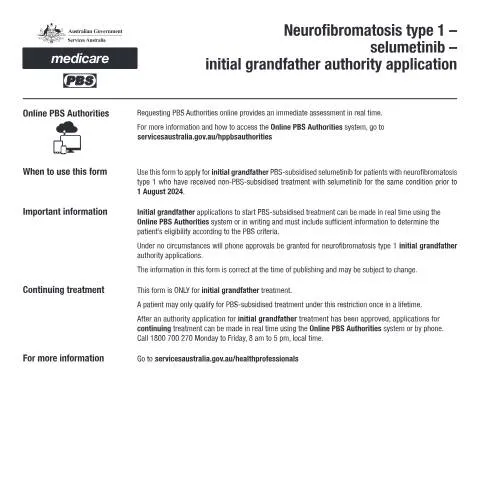
For health professionals treating patients with Neurofibromatosis Type 1 (NF1), obtaining access to innovative treatments like selumetinib is crucial. The Neurofibromatosis type 1 - selumetinib - initial grandfather authority application form (PB371) plays a significant role in this journey. This application process not only ensures that patients receive necessary medication but also navigates the bureaucratic landscape that surrounds medical treatments in Australia.
The Essence of the PB371 Form
Rather than simply being a bureaucratic hurdle, the PB371 form is a vital tool that connects healthcare providers and patients with the medical resources they need. This official document requires the input of medical practitioners who are responsible for prescribing selumetinib to their patients. By submitting this form, they effectively advocate for their patients’ access to a drug that could significantly improve their quality of life.
Understanding the Regulatory Framework Behind PB371
The issuance of the PB371 form is underpinned by a comprehensive regulatory framework set forth by Services Australia. This regulatory backdrop ensures that medications like selumetinib are used responsibly and are available to those who truly need them. The Administrative Decisions (Judicial Review) Act 1977 (Cth) provides a structure for appeals and reviews, thus safeguarding the interests of patients who may face denial of treatment.
The Historical Context of Selumetinib Access
Historically, access to treatment for conditions like NF1 has been fraught with challenges. Regulatory bodies have had to weigh the benefits of innovative therapies against safety and efficacy. The PB371 form stands as a testament to the evolving landscape of healthcare in Australia, aimed at streamlining access to necessary treatments.
Timeline and Milestones: When and What Happens Next
Timing is of the essence when dealing with health application forms like PB371. Submissions can occur at any time throughout the year, but health professionals must be aware of the specific timelines that may affect their application process.
Critical Dates to Consider
- Submission Period: Applications can typically be submitted at any time but should align with the medical needs of the patient.
- Review Period: While times may vary, expect a review timeline that can influence treatment initiation.
- Decisions and Notifications: Following submission, health professionals will be notified of the application outcome, allowing for timely patient care decisions.
Next Steps After Submission
Once the PB371 form is submitted, health professionals should track the status of the application. Any delays or issues should be promptly addressed by contacting Services Australia. This proactive approach can help mitigate potential wait times for essential treatments.
Modes of Submission: Exploring Your Options
Health professionals have various options for submitting the PB371 form. Understanding these channels can make a significant difference in the application experience.
Online Submission via myGov
The myGov portal provides a streamlined platform for electronic submissions. This method is often faster and allows for immediate confirmation of receipt. To use this, health professionals must have secure access to their myGov accounts, linked to Services Australia.
Paper Submission
For those who prefer traditional methods or face difficulties with online systems, submitting a paper application is also an option. However, this method may introduce delays due to postal times. Ensure that all necessary documents are included and clearly labeled to prevent processing errors.
Addressing Issues and Challenges in the Application Process
Even with diligent preparation, challenges may arise during the application process for PB371. Understanding how to address these issues is key to ensuring patient access to selumetinib.
What to Do in Case of Denial
In the unfortunate event that an application is denied, health professionals should not lose hope. There is an appeals process available under the Administrative Decisions (Judicial Review) Act 1977 (Cth). This allows practitioners to challenge the decision on merits rather than simply procedural grounds.
Correcting Errors and Missing Documentation
If the application is returned due to errors or missing information, prompt action is advised. Health practitioners should:
- Carefully review the feedback provided to identify issues.
- Gather any missing documentation or correct errors as indicated.
- Resubmit the application swiftly to avoid further delays in treatment.
Distinguishing PB371 from Other Forms
The PB371 form is often confused with other applications related to health services. A clear understanding of its unique purpose can prevent missteps in the application process.
Comparing PB371 with Similar Forms
| Form Code | Form Title | Purpose |
|---|---|---|
| PB371 | Neurofibromatosis type 1 - selumetinib - initial grandfather authority application form | Access selumetinib for NF1 patients. |
| PB310 | Authority Prescription Request Form | General authority medications. |
| PB312 | Specialist Consultation Request Form | Referrals for specialist consultations. |
It’s essential to understand that while these forms may seem similar, they serve distinctly different functions within the healthcare system, and misusing them can lead to delays or denials.
The Role of PB371 in a Larger Context
The PB371 form is just one part of the broader healthcare landscape in Australia. Its role is critical, but it is interconnected with multiple facets of patient care and healthcare provision.
Integration with Other Health Services
The application for selumetinib via PB371 ties into various services that patients may need during their treatment journey. These may include:
- Medicare Services: Ensuring patients have coverage for consultations and treatments.
- Child Support Services: If the patient is a child, navigating support services becomes crucial.
- General Practitioner (GP) Involvement: Coordination between specialists and GPs to monitor treatment efficacy.
Future Considerations for Treatment Protocols
As treatments for Neurofibromatosis Type 1 evolve, so too will the processes surrounding their approval and access. Health professionals must stay informed about potential changes to the PB371 form and its processing, ensuring continuous advocacy for their patients’ needs.
In summary, the PB371 form is not merely a bureaucratic requirement; it is a critical tool for accessing necessary treatment for Neurofibromatosis Type 1 in Australia. Understanding its nuances, the submission process, and what to do in the face of challenges can significantly impact the patient experience and health outcomes. Health professionals play a vital role in navigating this landscape, ultimately working towards the best possible care for their patients.
Understanding Neurofibromatosis Type 1 and Treatment Options
Neurofibromatosis Type 1 (NF1) is a genetic condition that affects the growth and development of nerve tissue, leading to the formation of tumors called neurofibromas. This condition can cause a variety of symptoms, including skin changes, bone deformities, and neurological issues. Individuals with NF1 often have a higher risk of developing certain types of cancer, making regular monitoring and proactive management essential.
One of the emerging treatment options for patients with NF1 is selumetinib, a drug that targets specific pathways involved in tumor growth. Selumetinib has shown promise in clinical trials, particularly in reducing the size of neurofibromas and improving the quality of life for patients. The Therapeutic Goods Administration (TGA) in Australia has evaluated selumetinib and issued approvals for its use under certain conditions, primarily for patients who meet specific eligibility criteria.
Understanding the implications of using selumetinib as a treatment for NF1 can significantly affect the patient journey. It is crucial for patients and caregivers to engage with healthcare providers to navigate the complexities of treatment options and understand how they align with the individual’s medical profile and circumstances.
Completing the Initial Grandfather Authority Application Form (PB371)
The Initial Grandfather Authority Application Form (PB371) is a critical document for patients seeking access to selumetinib for the treatment of NF1. This form enables prescribers to request prior approval for the medication under the Pharmaceutical Benefits Scheme (PBS), ensuring that patients can access this potentially life-altering treatment.
When completing the PB371 form, it is essential to provide comprehensive and detailed information. The form typically requires personal identification details, including the patient’s Medicare number and Tax File Number (TFN), which helps to streamline the approval process. Additionally, it includes sections that focus on the patient's medical history, current condition, and previous treatments, which are vital for justifying the need for selumetinib.
Moreover, the prescriber must include clinical information, such as diagnostic tests and imaging studies, which substantiate the diagnosis of NF1 and demonstrate the severity of the condition. Accurate completion of the PB371 form not only facilitates a smoother approval process but also significantly impacts the overall treatment pathway for the patient, making it crucial for both providers and patients to collaborate effectively throughout this process.
Follow-Up and Monitoring After Approval
Once the Initial Grandfather Authority Application for selumetinib has been approved, it is imperative to establish a systematic follow-up and monitoring plan to track the patient's response to the medication. Regular consultations with healthcare providers, including oncologists and genetic specialists, allow for the assessment of treatment efficacy and management of any side effects that may arise.
Patients on selumetinib may require periodic imaging to evaluate changes in neurofibroma size and assess overall disease progression. These follow-up appointments not only help in monitoring the medication's effectiveness but also offer opportunities for healthcare providers to adjust the treatment plan as needed. Side effects are an important consideration, and healthcare teams should provide patients with clear guidelines on what symptoms to watch for and when to seek immediate care.
Additionally, it is essential for patients and their families to remain informed about ongoing research and any new treatment modalities that may emerge. The landscape of NF1 treatment is continually evolving, and being proactive about learning and discussing these developments during consultations can significantly empower patients in their care journey. Engaging with support groups and advocacy organizations may also provide valuable resources and a sense of community for individuals navigating the complexities of living with NF1.