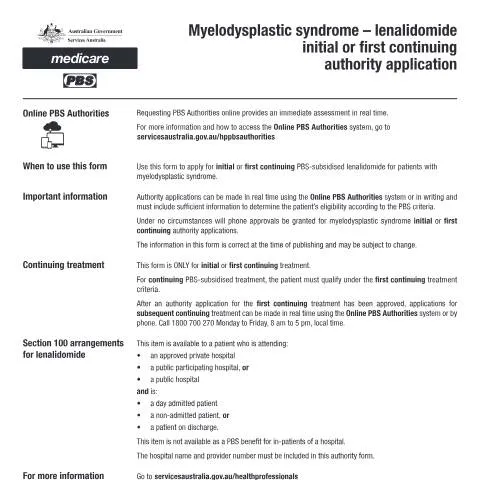
Understanding Myelodysplastic Syndrome and the Role of PB012
For individuals diagnosed with Myelodysplastic Syndrome (MDS), navigating the healthcare system can be daunting. The PB012 form, known as the Myelodysplastic syndrome - lenalidomide - initial or first continuing authority application form, plays a pivotal role in facilitating access to vital medications. This document is essential for health professionals seeking to obtain authorization for treatment on behalf of their patients. Understanding the intricacies of this form is crucial for ensuring that individuals receive the necessary treatment without unnecessary delays.
Navigating Submission Channels: Online vs. Paper vs. In-Person
When it comes to submitting the PB012 form, knowing the available channels can streamline the process significantly.
Online Submissions
Most health professionals opt for online submissions through myGov, a central login service provided by the Australian government. This method is not only faster but also allows for better tracking of application status. After logging in, users can upload the completed form and any required documentation directly into the system.
Paper Submissions
In instances where online access is not an option, paper submissions remain valid. However, they can lead to longer processing times. It is important to ensure that the form is filled out completely and accurately to avoid delays during review.
In-Person Submissions
Submitting the PB012 form in person at a local Services Australia office is another option. This method allows health professionals to ask questions and clarify any uncertainties directly with staff. However, it is advisable to check office hours in advance to ensure availability.
The Historical Context of PB012 and Regulatory Framework
The PB012 form is not just a bureaucratic obligation; it is a product of a regulatory environment designed to support individuals with serious health conditions. Myelodysplastic Syndrome is a complex condition, and treatment often requires specific medications like lenalidomide. The Administrative Decisions (Judicial Review) Act 1977 establishes the framework within which such treatment authorizations are assessed.
This legislation mandates that applications must be reviewed fairly and thoroughly, ensuring that health professionals have the tools they need to advocate for their patients. Understanding this backdrop informs applicants about their rights and the necessity of precise and accurate information when completing the PB012 form.
Step-by-Step Journey: From Initial Application to Decision
Completing and submitting the PB012 form initiates a process that culminates in a critical decision about treatment. Here’s a chronological look at what to expect:
- Preparation: Prior to filling out the PB012 form, ensure that all necessary medical details and patient information are gathered. This includes treatment history and documentation from previous healthcare providers.
- Form Completion: Carefully complete each section of the PB012. Pay close attention to the patient's medical history and current medications.
- Submission: Choose the most convenient submission method—online, paper, or in-person—and submit the completed form along with any required attachments.
- Review Process: After submission, the application enters the review stage, during which Services Australia assesses the request based on medical necessity and compliance with regulatory standards.
- Notification: Once a decision is made, the applicant will receive a notification via their preferred contact method. This communication will outline whether the application was approved or denied.
- Next Steps: If approved, the patient can begin treatment with lenalidomide. If denied, there is an option for review, which involves submitting additional documentation or appealing the decision.
Dissecting the PB012: Key Sections and Common Pitfalls
The PB012 form consists of multiple sections, each serving a specific purpose to ensure comprehensive information is provided. Understanding these sections can help prevent common mistakes that may delay the application.
Patient Information
The initial section requires basic details about the patient, including their Name, Date of Birth, and Tax File Number (TFN). Ensure that all details match official identification documents to avoid discrepancies.
Medical History
This section delves into the patient's health background. Specific attention should be paid to:
- Previous diagnoses related to MDS.
- Details of any past treatments and their outcomes.
- Current medications the patient is taking.
Omitting details in this section can lead to misunderstandings or delays in processing.
Treatment Plan
Health professionals must articulate the proposed treatment plan clearly. This includes specifying the need for lenalidomide, why it's necessary for the patient, and any alternative treatments considered.
Unique Situations: Special Cases and Considerations
While the PB012 form is standard for many, certain circumstances can complicate the application process. These situations require careful navigation to ensure proper consideration.
International Patients
For patients who are not Australian citizens or permanent residents, additional documentation may be required to substantiate their eligibility for treatment. This includes visa details and any agreements with Health Departments.
Minors and Guardianship Issues
In cases where the patient is a minor, the form must be filled out by a parent or legal guardian. Additional consent forms may be necessary to comply with legal requirements regarding medical decisions for children.
Urgent Applications
In urgent situations where treatment must commence immediately, health professionals can indicate the urgency in a cover letter accompanying the PB012 form, detailing the reasons for expedited processing. However, supporting documentation must substantiate the urgency.
Administration: Monitoring Your Application Status
Once the PB012 form has been submitted, health professionals can track the application’s progress through myGov or by contacting Services Australia directly. Here’s how to effectively monitor the status:
- Log in to myGov regularly to check for updates or requests for additional information.
- If using paper submission, allow adequate time for processing before reaching out for status updates.
- Maintain clear records of submission dates and any communication with Services Australia.
It's essential to respond promptly to any requests for further information, as delays can result in extended waiting periods for approval.
The Real Implications: Rights, Responsibilities, and Consequences
Understanding what is at stake with the PB012 form goes beyond the completion process. There are significant rights and responsibilities that applicants must be aware of.
Rights of the Applicant
Patients and their health professionals have the right to:
- Receive transparent communication regarding the status of their application.
- Appeal a denial decision by providing further evidence or clarifications.
- Access Medicare support for approved treatments, contingent on eligibility.
Obligations in the Application Process
With rights come responsibilities. Applicants must:
- Provide accurate and truthful information throughout the application.
- Update Services Australia on any changes in the patient’s health status or personal information.
- Submit any required documentation within the stipulated timeframe to avoid delays.
Complying with these responsibilities not only aids in the swift processing of the PB012 but also enhances the chances of successful treatment authorization.
Final Thoughts on Navigating the PB012 Process
Completing the PB012 form is a critical step for health professionals and their patients dealing with Myelodysplastic Syndrome. By understanding the nuances of the form, submission channels, and what the process entails, individuals can better advocate for the necessary treatments and ensure that they receive timely medical care. Engaging with Services Australia and remaining proactive throughout the application process can significantly alleviate the often complex interactions within Australia’s healthcare bureaucracy.
Understanding Myelodysplastic Syndromes and Their Treatment Options
Myelodysplastic syndromes (MDS) are a group of diverse bone marrow disorders, where the bone marrow fails to produce adequate healthy blood cells. MDS is often considered a precursor to acute myeloid leukaemia (AML) and has varying degrees of severity. The typical symptoms include fatigue, weakness, frequent infections, and easy bruising or bleeding, stemming from inadequate red blood cells, white blood cells, or platelets.
Treatment for MDS can vary significantly depending on the patient's overall health, age, and specific disease characteristics. Common treatment options include supportive care, such as blood transfusions and growth factors, and disease-modifying therapies, including hypomethylating agents, and immunomodulatory drugs like lenalidomide.
Lenalidomide, specifically, is used primarily for patients with MDS associated with deletion of chromosome 5q. It works by modulating the immune system and directly affecting the blood cell production in the bone marrow, which can lead to improved blood counts and reduced transfusion dependency. However, lenalidomide can have side effects and requires careful monitoring in patients.
Application Process for Lenalidomide: Key Considerations
When applying for lenalidomide through the Initial or First Continuing Authority Application Form (PB012), it is crucial to ensure that all documentation and eligibility criteria are met to facilitate a smooth approval process. The form must be filled out accurately, highlighting the patient's diagnosis of MDS, previous treatment history, and the rationale for the use of lenalidomide.
Before submitting the application, it’s essential to gather comprehensive medical documentation from the treating physician, including pathology reports, previous treatment outcomes, and any relevant comorbidities that may affect the patient's treatment plan. Ensure that the prescribing doctor provides a detailed clinical justification for lenalidomide therapy, as this is critical for approval by the relevant authorities such as the Pharmaceutical Benefits Scheme (PBS).
Additionally, keep in mind that lenalidomide is subject to specific Therapeutic Goods Administration (TGA) regulations, and patients must be enrolled in a Risk Evaluation and Mitigation Strategy (REMS) programme due to the potential risks associated with its use, including birth defects and severe skin reactions. This requirement may influence the application process and necessitate additional steps to ensure compliance.
Ongoing Monitoring and Compliance with PBS Guidelines
Once lenalidomide is approved and treatment commences, ongoing monitoring of the patient’s response to therapy is necessary. The PBS has guidelines that specify how frequently patients need to be evaluated and re-assessed for continued therapy. Regular blood tests to monitor blood counts, as well as assessments for any side effects, should be scheduled as per the clinical guidelines.
It's important to keep detailed records of the patient's progress, including blood work and any adverse reactions. Should the need arise for re-application or continuation of therapy beyond the initial period, these records will support the case for the continued use of lenalidomide.
Patients are also encouraged to maintain open communication with their healthcare team throughout the treatment process. This collaboration is essential in addressing any complications or changes in the patient's health status, ensuring that interventions are timely and effective. Regular reviews will play a significant role in determining the course of treatment and any necessary adjustments to therapy, which must be well documented as part of the ongoing compliance with PBS requirements.