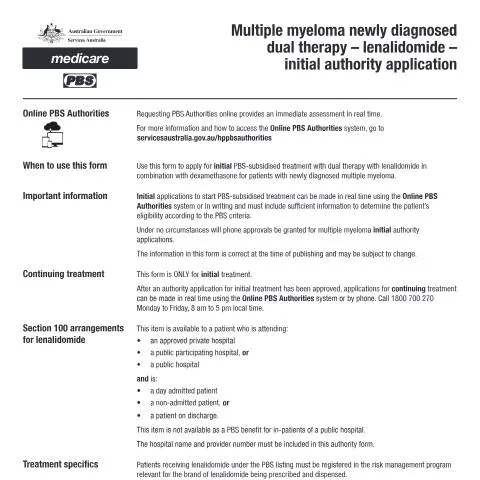
Navigating the PB200 Form: Your Guide to the Initial Authority Application
When diagnosed with multiple myeloma, patients face a myriad of challenges, not least of which is navigating the healthcare system to access treatment. One crucial step in this journey is the completion of the PB200 form, which is essential for securing access to lenalidomide as part of dual therapy. This document serves as an official request for an initial authority to prescribe this medication under specific circumstances. Understanding this form, its purpose, and the intricacies of the application process can greatly alleviate anxiety and streamline access to the necessary treatments.
The Unique Role of the PB200 Form in Treatment Access
The PB200 form is distinctly tailored for individuals newly diagnosed with multiple myeloma who require lenalidomide as part of their treatment plan. Unlike other forms that may apply to a broader range of medications or conditions, the PB200 is specific in its focus. This specificity is crucial as it aligns with the unique needs of patients facing this particular diagnosis. Understanding what sets the PB200 apart involves recognizing its targeted approach and the conditions under which it applies.
- Focus on Newly Diagnosed Patients: The PB200 form is strictly for patients who have just been diagnosed, ensuring tailored support during a critical time.
- Lenalidomide Specificity: This form addresses the initial authority to prescribe lenalidomide, unlike other forms that might encompass a wide variety of medications.
- Collaboration with Healthcare Professionals: Providers must be familiar with this form to facilitate patient access to necessary treatments efficiently.
Timing is Everything: The Life Cycle of the PB200 Application
Understanding the timeline associated with the PB200 form can help patients and healthcare providers effectively manage expectations. The process begins from the moment a patient receives their diagnosis and should be initiated promptly. The submission of the PB200 form signals the start of a critical pathway towards accessing necessary treatments.
Key Milestones in the PB200 Timeline
- Diagnosis: Upon diagnosis, the healthcare provider will assess the treatment options, including lenalidomide.
- Form Preparation: The healthcare professional will complete the PB200 form, ensuring all necessary information is provided.
- Submission: The completed form is submitted to Services Australia for review.
- Assessment Period: After submission, the application enters a designated review period where Services Australia evaluates the request.
- Decision Notification: Patients will be notified of the outcome, receiving either approval or request for further information.
- Access to Treatment: Upon approval, the patient can commence treatment with lenalidomide.
Integrating the PB200 Form into Broader Health Services
The PB200 form is not an isolated document; it plays a pivotal role in a network of healthcare services and support systems. As patients navigate their health journey, understanding where the PB200 fits into the larger picture can facilitate smoother transitions between different stages of care.
Complementary Processes and Forms
It’s important to recognize that the PB200 form can often be accompanied by other documentation and processes, such as:
- Medicare Applications: Patients may need to ensure their Medicare coverage is current to assist with the costs associated with treatment.
- Other Authority Applications: Depending on individual circumstances, additional authority application forms may be required for other medications used in conjunction with lenalidomide.
- Follow-Up Appointments: Regular check-ups and consultations with healthcare professionals to monitor treatment efficacy and side effects.
Understanding the Patient Profile: Who Needs the PB200?
While the PB200 form primarily targets individuals recently diagnosed with multiple myeloma, it’s essential to consider the diverse profiles of these patients. Each patient’s circumstances will dictate how they interact with the form and the application process.
Sub-categories of Patients Requiring the PB200
| Patient Type | Considerations |
|---|---|
| First-Time Patients | Typically new to the healthcare system; may require additional guidance on filling out the form. |
| Patients with Complications | May have other health issues that impact treatment options and require careful coordination with healthcare providers. |
| Patients from Culturally Diverse Backgrounds | Language barriers may necessitate the use of interpreters or translated materials to ensure comprehension. |
| Minors | Applications will require parental or guardian consent, adding an additional layer of complexity to the process. |
Deciphering the PB200: A Closer Look at Its Components
Completing the PB200 form accurately is paramount to avoiding delays and ensuring a timely response from Services Australia. Each section of the form has critical components that must be addressed thoroughly.
Essential Sections of the PB200 Form
- Patient Information: This section requires comprehensive details about the patient, including personal identification and medical history.
- Clinical Information: Providers must include detailed clinical evidence supporting the necessity for lenalidomide.
- Prescribing Details: Specifics regarding the proposed treatment plan must be clearly stated to justify the application.
- Signatures and Declarations: Both the healthcare provider and patient must sign, verifying the accuracy of the provided information.
It's crucial to double-check all entries to minimize the risk of errors, which could lead to processing delays.
Post-Submission: What Happens Next?
Having submitted the PB200 form is just the beginning. Patients often wonder what to expect during the waiting period and how to follow up effectively. Understanding the administrative processes involved can aid in navigating this phase with greater ease.
Tracking Your Application
- Confirmation of Receipt: After submission, patients should receive a confirmation that their application has been received.
- Response Timeline: While timelines can vary, it’s essential to be aware of the general processing time for the PB200 form.
- Communication with Providers: Patients should maintain open lines of communication with their healthcare providers for any updates regarding their application.
In cases where a response is delayed beyond the typical processing period, following up with Services Australia directly is advised to ascertain the status of the application.
Ensuring the Best Outcome: Strategies for Success with the PB200 Form
Filling out the PB200 form can be daunting, but there are strategies that can significantly enhance the likelihood of a successful application. By being prepared and informed, patients and their healthcare providers can navigate the intricacies of the process more effectively.
Preparation Tips for a Successful Submission
- Gather Comprehensive Medical Documentation: Ensure all relevant medical history and supporting documentation are readily available before starting the application.
- Consult with Healthcare Professionals: Engage with prescribing doctors to clarify any uncertainties regarding the necessary sections of the form.
- Review Prior Submissions: If applicable, review past applications for similar medications to understand common pitfalls and successful strategies.
By approaching the PB200 application process with thorough preparation and a clear understanding of its requirements, patients can significantly improve their chances of gaining timely access to critical treatments.
Understanding the Initial Authority Application Process for Lenalidomide in Australia
When navigating the healthcare system in Australia, particularly for newly diagnosed multiple myeloma patients, understanding the application process for medications like lenalidomide can seem daunting. The Initial Authority Application Form, known as PB200, is crucial for patients wanting access to this treatment. This form must be completed meticulously to ensure that patients receive the necessary approval for lenalidomide under the Pharmaceutical Benefits Scheme (PBS).
The use of lenalidomide is primarily indicated for patients who have received at least one prior therapy, making the timing of the application critical. Patients should work closely with their healthcare providers to confirm the appropriate documentation is submitted. The application should include comprehensive details about the patient's medical history, current condition, and prior treatments. This information is vital as it helps medical assessors determine eligibility based on clinical guidelines established by the PBS.
Additionally, it is essential to gather supporting evidence, such as pathology reports and treatment history, as these documents are integral to the assessment process. The information provided must clearly illustrate the rationale behind the use of lenalidomide in the patient's treatment plan. Failure to provide thorough documentation may lead to delays or denials in approval.
Eligibility Criteria and Guidelines for Lenalidomide Treatment
Eligibility for lenalidomide under the PBS hinges on various criteria outlined in the therapeutic guidelines for multiple myeloma. Primarily, patients must have a confirmed diagnosis of multiple myeloma and have undergone at least one previous treatment regimen. It's also essential that patients exhibit disease progression or relapse after their initial treatment.
Healthcare professionals must ensure that patients meet the criteria outlined in the PB200 form. For instance, patients with specific genetic markers or those who have not responded to other therapies may have different pathways for treatment approval. Understanding these nuances can significantly impact the success of the application and ultimately the patient's treatment journey.
It's also worth noting that certain patient populations may require additional considerations. For example, elderly patients or those with comorbidities may have different safety profiles concerning lenalidomide. Thus, healthcare providers often include a comprehensive assessment of the patient's overall health status in their applications, which can help in justifying the need for lenalidomide therapy.
Post-Approval Steps and Ongoing Monitoring
Once approval for lenalidomide is granted through the PB200 application, patients must remain engaged with their healthcare providers to monitor treatment efficacy and manage potential side effects. Regular check-ups are vital for assessing the response to the medication and modifying treatment as necessary. This ongoing monitoring should include blood tests to evaluate renal function, complete blood count, and any other relevant parameters that could indicate how well the medication is working or if any side effects are emerging.
Healthcare professionals are also encouraged to educate their patients about the importance of adherence to treatment schedules, including medication timing and dosage. Furthermore, patients should be informed about the potential side effects of lenalidomide, such as fatigue, rash, and the risk of infections, allowing them to report any concerns promptly.
Additionally, patients should be made aware of support services available in Australia, such as helplines and support groups for individuals diagnosed with multiple myeloma. Engaging in these resources can provide valuable assistance and facilitate a stronger support network, which is essential during treatment.