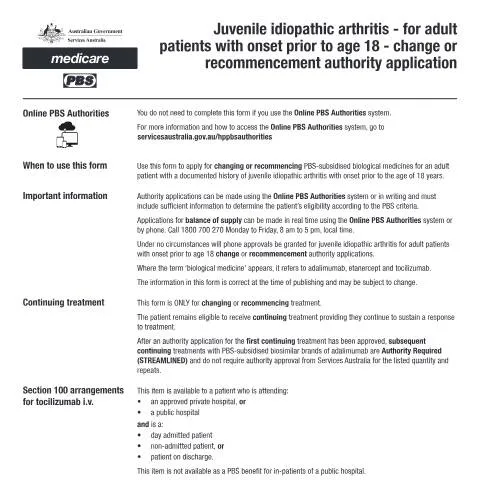
Navigating the PB282 Application Process: A Practical Guide
When faced with juvenile idiopathic arthritis (JIA) as an adult, understanding the application process for the change or recommencement authority through Services Australia can feel overwhelming. The PB282 form is a crucial document for those who experienced this condition prior to turning 18. This guide is designed to help you navigate each step, ensuring that your application is as seamless and successful as possible.
The Significance of the PB282 Form in Health Management
The PB282 form is integral to accessing necessary treatments for individuals diagnosed with juvenile idiopathic arthritis during their childhood. This document is not only a means to request medication changes or recommencement but serves as a gateway to ensure continuous care. Adult patients transitioning from paediatric services may find themselves needing to demonstrate their previous diagnoses and treatments, making this form pivotal in their ongoing health management.
Understanding the Role of Services Australia
Services Australia plays a fundamental role in administering health-related services, including the processing of forms like the PB282. They evaluate applications based on medical evidence provided and ensure that patients have access to the medications they need. Understanding their guidelines and expectations will empower applicants to present their cases effectively.
Submitting Your Application: Channels Explained
When it comes to submitting the PB282 form, applicants have several options. Choosing the right channel can significantly affect the processing time and overall experience.
Online Submission via myGov
- Online submissions are often considered the fastest and most efficient method.
- Applicants must have a myGov account linked to Services Australia to access the online form.
- Once completed, the submission is direct, reducing the risk of postal delays.
Paper Applications
- For those who prefer traditional methods, paper applications remain an option.
- Forms can be printed from the Services Australia website or requested via phone.
- Ensure that the completed form is sent to the correct postal address, as misaddressed applications can lead to significant delays.
In-Person Submissions
- Applicants can also choose to submit their forms in person at a local Services Australia office.
- This can be beneficial for those seeking immediate assistance or clarification on the application process.
- It’s advisable to book an appointment to avoid long wait times.
Gathering Necessary Documentation: Preparation is Key
Before filling out the PB282 form, it is essential to gather all relevant documentation to support your application. The strength of your submission lies in the completeness of the information provided.
Medical Evidence Requirements
Documentation from healthcare providers should detail:
- The initial diagnosis of juvenile idiopathic arthritis.
- A record of treatments previously administered.
- Current medication and treatment plans suggested by your specialist.
Personal Identification and Health Records
To facilitate the processing of your application, ensure that you have:
- Your Tax File Number (TFN) readily available.
- Any previous records of interaction with Services Australia, if applicable.
Diving Deep into the PB282 Form: A Section-by-Section Breakdown
Filling out the PB282 form accurately is crucial. Here’s an analysis of the key sections that often trip applicants up:
Section 1: Personal Details
This section requires basic information about the applicant. Pay close attention to:
- Full name and date of birth to avoid any mismatches with health records.
- Correctly entering your contact information, ensuring it is up-to-date.
Section 2: Medical History
When detailing your medical history, clarity is key. Include:
- The dates of diagnosis and when symptoms began.
- Descriptions of treatments and responses to each.
Section 3: Current Medications
List all medications currently in use along with dosages. It’s vital to:
- Ensure this aligns with your healthcare provider's recommendations.
- Specify any changes you are seeking, whether it's a shift in medication or a return to a previous one.
Common Pitfalls in the PB282 Form
Minor errors in filling out personal details or medical history can lead to significant delays in processing.
Timelines: From Submission to Outcome
Understanding the timeline associated with the PB282 application can help manage expectations. The processing of applications generally follows these phases:
Initial Processing Time
Once submitted, applications typically undergo an initial review process within a few weeks. The exact duration can depend on the volume of submissions at that time. Applicants will be informed if additional information is needed during this period.
Notification of Outcome
After the review, notifications regarding the outcome will be communicated through the chosen submission channel. If the application is approved, further instructions will follow. This could involve:
- Receiving an approval letter outlining the next steps.
- Information regarding any adjustments needed in ongoing treatment plans.
Responding to Refusals or Missing Information
In cases where an application is refused or deemed incomplete, applicants have recourse. Here’s what you can do:
What to Do if Your Application is Denied
- Review the notification carefully to understand the reasons for denial.
- Gather additional evidence or clarification from your healthcare provider if necessary.
- Consider submitting an appeal; the process outlined in the denial letter will guide you.
Addressing Missing Documents
If you receive a notice indicating that information is missing, promptly:
- Collect the required documentation.
- Submit the missing information as instructed to avoid further delays.
The Regulatory Framework Behind the PB282 Form
Understanding the administrative landscape surrounding the PB282 form can enhance your application strategy. The form operates within the context of Australian health service regulations and is governed by the Administrative Decisions (Judicial Review) Act 1977 (Cth), ensuring that applicants have the right to fair consideration and appeal.
Recognising how this framework operates helps in understanding the rights of applicants and the obligations of Services Australia in processing applications.
Beyond the PB282: The Larger Picture of Health Administration
The PB282 application is part of a broader continuum of health management for those with juvenile idiopathic arthritis. It connects to various services and support systems available through Services Australia and other health authorities. Familiarising yourself with these services can provide comprehensive support:
- Access to specialists who can assist with treatment plans.
- Information on support groups for shared experiences and coping strategies.
- Guidance for ongoing medication management and regular health assessments.
Utilising these resources alongside your PB282 application can create a network of support that enhances the management of your condition.
Final Thoughts on the PB282 Application Journey
Applying for a change or recommencement authority through the PB282 form is undoubtedly a crucial step in managing juvenile idiopathic arthritis as an adult. With proper preparation, a clear understanding of the application process, and knowledge of the support available through Services Australia, applicants can navigate this journey with confidence. Each detail matters, from assembling the right documentation to comprehensively filling out every section of the form.
By approaching the process informed and prepared, you can take charge of your health management effectively, ensuring a smoother experience as you seek the necessary treatments for your condition.
Understanding Juvenile Idiopathic Arthritis: A Primer for Adult Patients
Juvenile Idiopathic Arthritis (JIA) is a chronic inflammatory condition that affects children and can extend into adulthood. As adult patients who first experienced symptoms before the age of 18, it’s crucial to grasp the implications of living with JIA. Adult patients may face unique challenges, including transitioning from pediatric to adult healthcare systems. Understanding JIA can empower patients to advocate for their health, navigate treatments, and manage their symptoms effectively.
JIA manifests in several forms, including oligoarticular, polyarticular, systemic, and enthesitis-related arthritis. Each type presents distinct symptoms and treatment requirements. For instance, oligoarticular JIA primarily affects fewer than five joints and often has a better long-term prognosis compared to systemic JIA, which can lead to severe complications affecting the whole body, including fever and rash. The complexity of JIA necessitates a comprehensive treatment approach, often involving a multidisciplinary team of specialists such as rheumatologists, physiotherapists, and occupational therapists.
As adult patients, it is essential to remain informed about ongoing research and treatment advances. Regular consultations with healthcare providers can prevent complications and enhance quality of life. Participation in support groups and forums can also provide valuable insights and emotional support from individuals facing similar experiences.
The Role of the Change or Recommencement Authority Application Form (PB282)
The Change or Recommencement Authority Application Form (PB282) plays a pivotal role in facilitating access to necessary treatments for individuals with JIA who experience changes in their condition or treatment regimen. This application is particularly vital for patients transitioning to adulthood, as they may encounter new medication regimens or changes in their healthcare coverage.
Understanding the nuances of PB282 is crucial for ensuring that patients receive the required authorizations timely. The form is designed to cover various scenarios, including switching medications due to ineffectiveness or side effects, or starting a new therapy altogether. Patients must provide comprehensive information regarding their existing treatment, any adverse reactions, and the clinical rationale for the proposed changes.
It's essential to note that incomplete applications or lack of supporting documentation can result in delays or denials. Hence, maintaining clear, ongoing communication with healthcare providers is vital to gather the necessary medical evidence required for the PB282. Moreover, patients should keep detailed records of their treatment history to aid in completing the form accurately.
Support Resources and Navigating the Healthcare System
Navigating the Australian healthcare system can be daunting for adult patients with JIA, especially those transitioning from pediatric care. Familiarizing oneself with available support resources can significantly ease this journey. Services Australia, through Centrelink, offers a range of support payments for eligible individuals with disabilities or chronic health conditions, which can help mitigate financial burdens.
Additionally, the Arthritis Australia organization provides valuable resources, including educational materials, advocacy, and connections to local support groups. Engaging with these networks enables patients to share experiences and strategies for coping with JIA.
It's also advisable for patients to register on myGov to streamline their access to services and manage their healthcare needs efficiently. By integrating their medical records and treatment plans, they can stay organized and ensure continuity of care as they transition into adult health services. Regular check-ups and consultations with healthcare professionals are essential for monitoring disease progression and optimizing treatment plans.
Lastly, utilizing the resources available through the Australian Taxation Office (ATO) can provide financial relief through potential deductions related to medical expenses. Patients are encouraged to keep accurate records of their healthcare expenditures to leverage any available tax benefits.