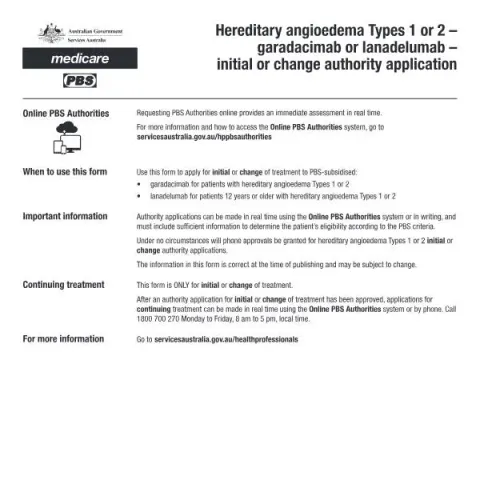
Understanding the Importance of PB325 in Hereditary Angioedema Management
The PB325 form is a crucial document for patients suffering from Hereditary Angioedema (HAE) Types 1 or 2. This condition is not only difficult to manage but often requires access to specific medications such as garadacimab or lanadelumab. The timely and accurate completion of this form signifies the initiation of a process that may directly influence the quality of life of those affected. Engaging with this form means you are taking a significant step towards securing necessary medical treatment.
Navigating the Submission Channels for PB325
When it comes to submitting the PB325 form, there are several channels available. Understanding these channels can help streamline the process, ensuring that your application is received and processed in a timely manner.
Online Submission via myGov
For individuals who possess a myGov account, submitting the PB325 form electronically is typically the fastest and most efficient option. The online platform allows for real-time updates and can expedite processing times.
Paper Submission
If online submission isn’t feasible, the paper method is available. Here, it’s necessary to ensure that the form is completed in full, signed, and sent to the appropriate address indicated on the form. While this method may take longer due to postal delays, it remains a viable option for those less comfortable with digital processes.
In-Person Submission
Another alternative is to submit the form at a local Services Australia office. This can provide an opportunity to ask questions and clarify any uncertainties regarding the application. However, it is advisable to check whether an appointment is needed, as walk-in services can vary by location.
Timing Matters: Critical Dates and Processing Expectations
Timing is a pivotal factor in the success of your application. Understanding the applicable timelines can help manage expectations and ensure that your treatment is not unduly delayed.
Application Period
Applications can typically be submitted any time after a relevant medical consultation. However, be mindful of any deadlines that might apply based on your specific circumstances or health needs.
Processing Timeframes
Once the PB325 form is submitted, the processing time can vary. Generally, you may expect a response within several weeks, depending on workload and the completeness of your application. If additional information or clarification is needed, this may extend the timeline.
What Happens Next?
- Approval: If your application is approved, you'll receive confirmation, allowing you to access the prescribed medications.
- Denial: In case of denial, you will be provided with reasons and options for appeal.
- Clarification Requests: Should further information be required, it is crucial to respond promptly to avoid delays.
The Implications of PB325 on Patient Rights and Responsibilities
Completing the PB325 form is not merely a procedural task; it entails a set of rights and responsibilities for the applicant. Understanding these aspects can greatly enhance the experience and outcomes of the application process.
Rights Granted Upon Application
Patients have the right to access treatment for their condition as outlined in their approved application. This includes:
- Access to necessary medications for managing HAE.
- Information regarding treatment options and support services.
Responsibilities of the Applicant
Alongside the rights, applicants also have responsibilities that must be met to ensure a smooth process:
- Providing accurate and complete information on the PB325 form.
- Responding promptly to any queries or requests for additional documentation from Services Australia.
- Staying informed about the status of the application and any associated deadlines.
Unique Situations: Navigating Complex Cases
Every patient’s situation is unique, particularly in the context of HAE management. Below are scenarios where standard procedures might not apply.
Foreign Nationals and Treatment Access
For patients who are not Australian citizens or permanent residents, navigating the PB325 form can be more complex. It's essential to check eligibility for public health support and whether private health insurance can cover specific treatments. Consulting with a healthcare professional familiar with the system is advisable.
Minors and Guardianship Issues
For minors applying for treatment, a parent or legal guardian must complete the PB325 form on their behalf. The guardian should ensure that all required medical information is shared, and consent for treatment is provided. Additionally, maintaining communication with healthcare providers is crucial to cover any specific needs of the child.
Emergency Situations
In instances where urgent treatment is needed, the usual timelines for submitting the PB325 form might be compressed. Patients and their families should communicate directly with healthcare providers and Services Australia to explore options for expedited review of applications.
Tackling Denials: Your Rights and Next Steps
Receiving a denial for your PB325 application can be disheartening. However, it's important to know that there are clear steps you can take to address the situation.
Understanding the Denial Reasons
An understanding of why an application was denied is critical. Reasons can range from incomplete information to issues related to eligibility for specific treatments. The denial letter will usually detail the specific grounds for the decision.
Appeal Process
If you believe the denial was unjust, you can appeal the decision. This involves:
- Reviewing the denial letter for specific instructions.
- Gathering additional documentation or clarification that addresses the concerns raised.
- Submitting a formal appeal to Services Australia within the designated timeframe.
Seeking Assistance
In some cases, it may be beneficial to seek assistance from a healthcare professional or a support organization specializing in HAE. They can provide guidance and support throughout the appeal process, potentially strengthening your case.
The Essential Role of PB325 in Treatment Pathways
The PB325 form serves as a critical component in the broader healthcare pathway for patients with Hereditary Angioedema. Understanding this role can empower patients to navigate their treatment options more effectively.
Connecting with Healthcare Providers
Completing the PB325 form often requires collaboration and communication with various healthcare providers. These practitioners play a crucial role in ensuring that the required medical documentation is thorough and accurate. They should provide support in understanding the treatment plans associated with the medications requested on the form.
Building a Comprehensive Treatment Strategy
The PB325 application process leads to a more comprehensive treatment strategy. The approval of medications is just one aspect; it also opens the door to ongoing support, including:
- Regular follow-ups to monitor treatment effectiveness.
- Access to specialist consultations as needed.
Final Thoughts on Completing PB325
Filling out the PB325 form can seem daunting, but it is a critical step towards receiving necessary healthcare for managing Hereditary Angioedema. Understanding the nuances of the application process, submission channels, timing, and your rights and responsibilities ensures a more seamless experience. Remember to leverage healthcare providers and support networks for assistance where needed.
Every detail you provide can shape the trajectory of your treatment, so approach this task with care and diligence. For further assistance and guidance, always consult Services Australia directly to ensure you are taking the right steps tailored to your unique situation.
Understanding Hereditary Angioedema: Types, Symptoms, and Treatment Options
Hereditary angioedema (HAE) is a rare genetic disorder that results in recurrent episodes of severe swelling (angioedema) in various parts of the body, including the face, extremities, gastrointestinal tract, and airway. There are two main types of HAE, known as Type 1 and Type 2, which differ in their underlying genetic mutations.
Type 1 HAE is characterized by a deficiency of C1 inhibitor protein, leading to uncontrolled production of bradykinin, a peptide that causes the symptoms of angioedema. Patients with this type typically experience low levels of C1 inhibitor in their blood. Conversely, Type 2 HAE also involves a dysfunction of the C1 inhibitor, but patients in this category have normal or elevated levels of the protein. Understanding the exact type of HAE is crucial for determining the appropriate treatment regimen.
The symptoms of HAE can often appear abruptly and may last for several days. Patients frequently report episodes that may be triggered by physical trauma, emotional stress, or hormonal changes. The recurrent nature of these episodes can significantly affect a patient’s quality of life, necessitating prompt and effective management strategies.
Treatment options for HAE have evolved over the years. While traditional therapies included the use of C1 inhibitor concentrate, newer biologic treatments such as garadacimab and lanadelumab have emerged. These medications work by targeting the bradykinin pathway, providing more predictable control of angioedema episodes and improving patients’ overall well-being.
The Application Process for Garadacimab and Lanadelumab in Australia
In Australia, initiating treatment with garadacimab or lanadelumab requires a formal application through the relevant health authorities. For patients with HAE, the initial or change authority application form (PB325) is critical to gain access to these therapies. This form serves as the gateway to receiving necessary treatments funded by the government, specifically through the Pharmaceutical Benefits Scheme (PBS).
To complete the PB325 form, patients must provide comprehensive details about their medical history, the frequency and severity of their HAE episodes, and previous treatments attempted. It is essential to include information on any adverse reactions to prior medications, as this may impact the approval process. Healthcare providers, typically specialists in allergy or immunology, play a vital role in filling out the form accurately to justify the medical necessity of the requested treatment.
Once submitted, the application undergoes a review process by Services Australia and may require additional documentation or clarification. Timely submission of the PB325 form is crucial, as delays can lead to worsened patient outcomes and prolonged suffering due to untreated angioedema episodes.
Managing Side Effects and Monitoring Treatment Efficacy
As with any medication, treatment with garadacimab or lanadelumab may result in side effects. While many patients tolerate these biologic therapies well, monitoring for adverse reactions is essential. Common side effects reported include injection site reactions, headaches, and fatigue. Patients should maintain open communication with their healthcare providers to report any concerning symptoms, as ongoing assessment is key to optimizing treatment.
Moreover, effective management of HAE does not solely rely on pharmacological interventions. Patients are encouraged to keep a detailed diary of their symptoms, triggers, and treatment responses. This information can be invaluable during follow-up consultations, providing healthcare professionals with insights into the treatment's effectiveness and any necessary adjustments to the management plan.
In addition to monitoring side effects and efficacy, healthcare providers often recommend lifestyle modifications to help minimize the frequency of angioedema attacks. These may include stress reduction techniques, dietary adjustments, and avoiding known triggers. A multi-faceted approach is often the most effective way to manage HAE and enhance patients’ quality of life.