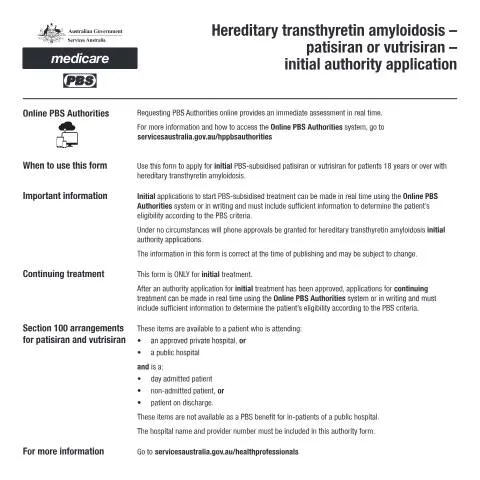
Navigating the PB367 Application Process for Patisiran or Vutrisiran
When facing the challenges of hereditary transthyretin amyloidosis (hATTR amyloidosis), the path to securing treatment can seem complex and daunting. The PB367 form, officially titled the Hereditary transthyretin amyloidosis - patisiran or vutrisiran - initial authority application form, serves a crucial role in this journey. Understanding this document is essential for health professionals and patients alike, as it opens the door to accessing vital medication that can significantly impact the quality of life.
Understanding the Significance of the PB367 Form
The PB367 form is more than just a piece of paperwork; it is a gateway to essential treatment options for individuals diagnosed with hATTR amyloidosis. This condition can lead to severe complications, including neuropathies and cardiomyopathies, and securing access to therapies like patisiran or vutrisiran is often a critical step in managing the disease. Filling out this form correctly can mean the difference between timely access to treatment and further health complications.
By submitting the PB367, healthcare providers are formally requesting authority from Services Australia to prescribe either patisiran or vutrisiran, which are both designed to address the underlying causes of this progressive disease. The approval not only provides patients with access to necessary medication, but it also underscores the importance of patient advocacy within the healthcare system.
Who is Involved in Submitting the PB367 Form?
The responsibility for submitting the PB367 typically lies with healthcare professionals, including specialists familiar with hATTR amyloidosis. However, understanding the collaborative nature of this form is key:
- Healthcare Professionals: Specialists or primary care providers must complete the form on behalf of their patients, providing the necessary medical justification for treatment.
- Patients: While patients do not submit the form directly, providing thorough medical histories and documentation to their healthcare providers is vital for a successful application.
- Pharmacists: Once approved, pharmacists play a critical role in dispensing the medication as prescribed, ensuring that patients receive their treatment promptly.
The Chronology of the Application Process
Understanding the timeline of the PB367 application process can better prepare both healthcare providers and patients. Here’s a step-by-step breakdown:
- Assessment: The healthcare provider assesses the patient's condition, ensuring they meet the criteria for treatment with patisiran or vutrisiran.
- Form Completion: The healthcare provider fills out the PB367 form, detailing the patient’s medical history and the rationale for treatment.
- Submission: The completed form is submitted to Services Australia. It can typically be done online through myGov, ensuring a streamlined process.
- Review: An authority within Services Australia evaluates the application based on the provided information.
- Decision Notification: Healthcare providers receive notification of the decision. If approved, the patient may begin treatment; if denied, the provider may discuss alternatives.
Essential Components of the PB367 Form
Completing the PB367 form correctly is paramount for ensuring a smooth application process. Here are the key elements that must be addressed:
| Section | Description | Details Required |
|---|---|---|
| Patient Information | Basic demographic information about the patient | Name, date of birth, Medicare number, contact information |
| Diagnosis | Medical background related to hATTR amyloidosis | Details of diagnosis, date of diagnosis, relevant medical history |
| Prescribing Information | Details regarding the proposed treatment | Name of drug (patisiran or vutrisiran), dosage, treatment plan |
| Rationale for Treatment | Justification for the request | Clinical justification based on patient history and needs |
| Healthcare Provider Details | Information about the submitting healthcare professional | Name, qualifications, contact information |
Submission Channels: Online vs. Paper
When it comes to submitting the PB367 form, healthcare providers have several options. Understanding these can streamline the process:
- Online Submission: The most efficient method, healthcare providers can submit the PB367 via the myGov portal. This method provides instant confirmation of receipt, which can be crucial for tracking the application’s status.
- Paper Submission: While less common, forms can still be submitted via traditional mail. This method may lead to longer processing times, and providers should consider using registered mail for tracking purposes.
- In-Person Submission: In some instances, healthcare providers may choose to submit the form in person at a Services Australia office. This option allows for immediate dialogue with Services Australia personnel but may require an appointment.
After Submission: Tracking and Follow-Up
Once the PB367 form has been submitted, understanding the next steps is essential for both healthcare providers and patients:
- Application Processing: Services Australia will process the application, which may take several weeks depending on various factors, including workload and completeness of the application.
- Status Tracking: Healthcare providers can track the status of the application through their myGov account. Regular checks can prevent surprises and ensure timely follow-up.
- Communication: If there are any queries or additional information required, Services Australia will reach out to the healthcare provider. Maintaining open lines of communication is critical.
- Decision Outcomes: Providers will receive formal notification regarding the application outcome. In case of approval, they can initiate the treatment plan; if denied, they may consider discussing alternate treatment options with the patient.
Key Considerations for a Successful Application
The PB367 form is a pivotal aspect of accessing treatment for patients dealing with hATTR amyloidosis. To enhance the chances of a successful application, healthcare providers should keep several considerations in mind:
- Thoroughness: Ensure that all sections of the form are completed with accurate and comprehensive information.
- Justification: Provide a well-reasoned clinical justification for the prescribed treatment, drawing on the patient's history and the urgency of treatment.
- Check for Updates: Stay informed about any changes to the PB367 form or submission process through the Services Australia website.
- Advocacy: Engage in patient advocacy by communicating with stakeholders about the importance of timely access to treatment for hATTR amyloidosis.
Exploring Additional Resources and Support
In addition to the PB367 application process, various resources are available to support both healthcare providers and patients. These resources can facilitate understanding and navigation of the healthcare landscape:
- Patient Support Groups: Connecting with others facing similar challenges can provide emotional support and valuable information regarding treatment options.
- Healthcare Provider Networks: Engaging with networks can foster collaboration and share best practices regarding the management of hATTR amyloidosis.
- Official Resources: Regularly consult the Services Australia website for up-to-date information regarding the PB367 form and other related resources.
In conclusion, understanding the PB367 form and its application process can empower patients and healthcare professionals alike in the fight against hATTR amyloidosis. Through diligent preparation and advocacy, access to essential treatments like patisiran or vutrisiran can be achieved, significantly enhancing the quality of life for those affected.
Understanding Hereditary Transthyretin Amyloidosis
Hereditary transthyretin amyloidosis (hATTR) is a rare genetic disorder that occurs due to mutations in the transthyretin (TTR) gene, leading to the misfolding and accumulation of TTR protein in tissues. This condition primarily affects the nervous system and the heart, resulting in significant morbidity and mortality. Patients often experience a variety of symptoms, including peripheral neuropathy, cardiomyopathy, and autonomic dysfunction, which can severely affect their quality of life.
Diagnosis of hATTR typically involves a combination of clinical evaluation, family history assessment, genetic testing, and sometimes biopsy to confirm amyloid deposits. Early diagnosis is crucial for managing the symptoms effectively and improving patients' outcomes. Since hATTR is hereditary, it is essential for family members of affected individuals to undergo genetic counseling and testing to understand their risk of developing the condition.
Medication Overview: Patisiran and Vutrisiran
Patisiran and vutrisiran are two FDA-approved medications specifically designed for the treatment of hATTR. Both drugs are designed to reduce the production of the harmful TTR protein, thereby addressing the underlying cause of the disease. Patisiran, an RNA interference therapeutic, works by targeting TTR mRNA to prevent its translation into the toxic protein, while vutrisiran, a newer development, utilizes similar technology but with improvements in dosing and administration.
Patients considering these treatment options should be aware of the distinct administration methods. Patisiran is administered via intravenous infusion every three weeks, whereas vutrisiran is given subcutaneously every three months. These differences in administration can impact patients' preferences and adherence to treatment. It’s vital to discuss these options in detail with healthcare providers to determine the most suitable treatment plan based on individual patient needs, lifestyle, and response to therapy.
Application Process for Initial Authority: Tips and Guidelines
Completing the Initial Authority Application Form (PB367) for either patisiran or vutrisiran can initially seem daunting, but understanding the application process can help streamline your submission. The first step is to ensure that you meet the eligibility criteria as outlined by the Pharmaceutical Benefits Scheme (PBS). Eligibility typically includes proving the diagnosis of hATTR and documenting the severity of symptoms, often through clinical assessments and laboratory tests.
When filling out the PB367 form, it’s crucial to provide comprehensive details regarding the patient’s medical history, including prior treatments and their outcomes. Attach any relevant test results and letters from specialists that support the application. Be thorough yet concise, and ensure that all sections of the form are filled out accurately to avoid delays in processing.
Moreover, consider the role of the prescriber in this process. The prescriber must be a specialist in treating hATTR and should be familiar with the PBS guidelines for these medications. Strong, clear communication between the patient and prescriber can significantly enhance the chances of a successful application. It’s beneficial to schedule a dedicated appointment to discuss the application, ensuring that the physician understands the urgency of the patient's condition and the necessity of the requested medication.