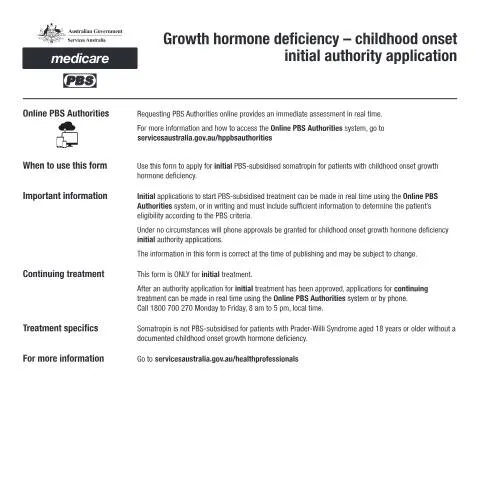
Understanding the PB288: A Critical Step in Managing Growth Hormone Deficiency
When a child is diagnosed with growth hormone deficiency (GHD) with onset during childhood, the path to receiving necessary treatments can feel overwhelming for parents and guardians. The Growth Hormone Deficiency - Childhood Onset Initial Authority Application Form (PB288), administered by Services Australia, is a pivotal document in securing access to essential growth hormone therapy. This article delves into the nuances of this form, its significance, and the steps involved in its completion and submission.
The Importance of Early Action: What’s at Stake
Taking timely steps to address growth hormone deficiency is crucial. Delays in treatment can lead to significant long-term effects on a child's growth and overall health. Understanding the implications of submitting the PB288 form is important for families:
- Access to Treatment: Successfully completing and submitting the PB288 form is the first step toward receiving funding for growth hormone therapy.
- Rights and Responsibilities: Parents or guardians must ensure that all provided information is accurate and complete; any discrepancies may delay the approval process.
- Consequences of Inaction: Failing to submit the form on time, or submitting incomplete information, could result in the child missing out on essential therapy during crucial growth periods.
Mapping the Timeline: Key Dates and What Follows
Understanding the timeline related to the PB288 form is vital for parents. From the moment a diagnosis is made to the time a decision is reached regarding authority for treatment, several key milestones exist:
Initial Diagnosis
The process begins when a healthcare professional diagnoses a child with growth hormone deficiency. This diagnosis typically requires various tests and assessments.
Preparing the Application
Parents or guardians must gather necessary documentation and complete the PB288 form. Take note of the requirements, as incomplete forms can lead to delays.
Submission to Services Australia
Once the form is completed, it must be submitted to Services Australia. Be mindful of submission methods, as this can affect processing time.
Decision Notification
After submission, Services Australia will review the application and issue a decision. The timeframe for this decision can vary, so maintaining communication with the agency is advised.
The Role of the PB288 in Treatment Approval
The PB288 form serves as a formal request for authority to access funding for growth hormone therapy. Understanding how this fits into the larger context of medical care for GHD is essential:
- Initiating the Approval Process: The PB288 is the first step in gaining access to subsidized treatment, making it critical for eligibility.
- Linking Clinical Evidence: The form requires healthcare professionals to substantiate the diagnosis of GHD, linking clinical findings to the request for treatment.
- Facilitating Communication: Submission of the PB288 allows for a formal record of the patient's needs, which can be referenced in future healthcare communications.
Submission Channels: Navigating Your Options
Submitting the PB288 form can be done through various channels, each with its own set of advantages. Consider the following options when submitting your application:
Online Submission via myGov
Utilizing the myGov portal can streamline the submission process:
- Convenience: Online submissions can be completed from the comfort of your home without the need for physical paperwork.
- Real-Time Tracking: Parents can monitor the status of their application directly through myGov.
Paper Submission
For those who prefer traditional methods, submitting a paper form is also an option:
- Physical Copies: Ensure you keep copies of all submitted documents for your records.
- Delivery Time: Factor in potential delays in postal service when considering submission timelines.
In-Person Consultation
In certain situations, a face-to-face meeting with Services Australia representatives may be beneficial:
- Assistance with Completion: Staff can guide parents through the completion process, helping to avoid common mistakes.
- Immediate Feedback: Discussing concerns directly can provide immediate insights and clarifications on submission requirements.
Essential Documentation: Preparing to Submit PB288
The success of your application hinges on providing thorough and accurate documentation. Here’s a breakdown of the essential documents needed when completing PB288:
| Document Type | Description | Required for Submission |
|---|---|---|
| Medical Records | Detailed records from healthcare providers supporting the diagnosis of GHD. | Yes |
| Growth Measurements | Charts and graphs indicating the child's growth patterns to illustrate deficiency. | Yes |
| Patient History | A comprehensive history of the child's health, including previous treatments or interventions. | Optional but advised |
After Submission: What Comes Next?
Once the PB288 form has been submitted, a series of steps will unfold as Services Australia processes the application:
Review Process
The review process entails a thorough examination of the application and the supporting documents. It is essential to remain patient during this time, as the duration may vary based on individual circumstances.
Notification and Follow-Up
After the review, parents will receive a notification regarding the outcome:
- Approved: If approved, details regarding the start of therapy and funding will be provided.
- Further Information Required: In some cases, Services Australia may request additional documentation or clarification.
- Denial of Application: If the application is denied, parents have the right to appeal the decision, which involves a separate process.
Final Thoughts and Resources for Families
Completing the PB288 form is more than just a bureaucratic step; it represents a vital process in ensuring that children diagnosed with growth hormone deficiency receive the treatment they need. Families facing this situation can take proactive measures by thoroughly preparing their documentation and understanding the submission process. For additional support and resources, consider reaching out to healthcare professionals or local support groups specializing in growth disorders.
Understanding Growth Hormone Deficiency in Children
Growth hormone deficiency (GHD) is a condition that affects children's growth and development, leading to shorter stature and potential developmental delays. This deficiency can manifest in various ways, including decreased growth rates, delayed puberty, and a lack of stamina. It's important for parents and guardians to understand the signs and symptoms of GHD in order to seek timely medical intervention.
Common symptoms of GHD include:
- Short stature for age
- Increased body fat, particularly around the abdomen
- Delayed bone age as observed through X-rays
- Low energy levels or decreased physical activity
Diagnosis typically involves a combination of physical examinations, blood tests to measure growth hormone levels, and imaging studies to assess bone age. If your child exhibits these symptoms, it's crucial to consult a pediatric endocrinologist who specializes in growth disorders.
Navigating the Application Process for PB288
When applying for the Growth Hormone Deficiency initial authority application form (PB288) in Australia, it's essential to have a thorough understanding of the necessary steps and documentation. This process is managed by Services Australia, and being familiar with their requirements will streamline your application.
The application process involves several stages:
- Medical Assessment: Before submitting PB288, ensure that your child's condition is thoroughly assessed by a qualified healthcare professional. This assessment will often include a detailed report on the diagnosis, treatment options, and ongoing management plans.
- Gather Required Documents: Compile all relevant documents, including medical history, growth charts, and any previous test results. These documents will support your application and provide evidence of your child's condition.
- Completing the PB288 Form: The form can be accessed online through your myGov account linked to Services Australia. Ensure that all sections are filled out accurately and that any required signatures are obtained. Pay special attention to the sections detailing your child's medical history and current treatment plan.
- Submission of Application: Once your application is complete, submit it online via myGov or deliver it in person to the nearest Services Australia office. Keep a copy of your application for your records.
- Follow-Up: After submission, you may receive a confirmation email. It's advisable to regularly check the status of your application through your myGov account. If additional information is required, be prompt in responding to any requests from Services Australia to avoid delays.
By understanding these steps and ensuring all necessary information is provided, you can help to expedite the processing of your child's application for growth hormone treatment.
Financial Assistance and Support Services for Families
Families dealing with the challenges of Growth Hormone Deficiency often face significant financial burdens, including costs associated with medical appointments, hormone treatments, and ongoing monitoring. Fortunately, there are several avenues of financial support available to assist families in Australia.
1. Medicare Coverage: Depending on the specifics of your child's diagnosis and treatment plan, Medicare may cover certain aspects of their healthcare, including consultations with specialists. It's important to check with your healthcare provider to ensure that you are maximizing available benefits.
2. State-Based Support Programs: Each Australian state and territory may offer unique programs or subsidies to assist families of children with chronic health conditions. For instance, some states provide financial assistance for medical supplies, transport, or accommodation during hospital stays. Research the specific resources available in your state through local health departments or support groups.
3. Support Groups and Nonprofits: Many organizations focus on endocrine disorders and offer support to families affected by GHD. These groups often provide resources, funding opportunities, and a community of support. Engaging with these organizations can lead to valuable networking and information sharing.
4. Tax Deductions: Families may also be eligible for tax deductions related to medical expenses incurred due to GHD treatment. Keep detailed records of all expenses and consult the Australian Taxation Office (ATO) for guidance on what qualifies and how to claim these deductions during tax season.
By exploring these financial assistance options, families can alleviate some of the pressures associated with managing Growth Hormone Deficiency and focus more on their child’s health and wellbeing.