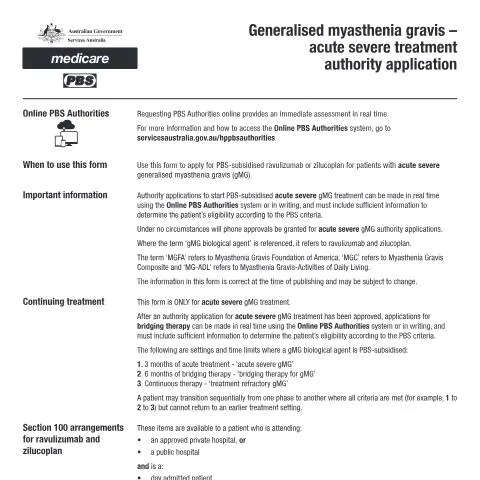
Navigating the PB394 Application: A Crucial Step for Patients with Generalised Myasthenia Gravis
In the realm of healthcare, certain conditions require specific attention and tailored treatments to improve patients' quality of life. For individuals suffering from acute severe Generalised Myasthenia Gravis (MG), the PB394 application form serves as a pivotal document to facilitate access to appropriate treatment options through Services Australia. Understanding the intricacies of this application process can significantly impact the timely delivery of essential healthcare services.
Understanding the Role of the PB394 Application Form
The PB394 form is instrumental in the approval of treatments for patients diagnosed with acute severe Generalised Myasthenia Gravis. Health professionals, primarily neurologists and specialists treating MG, are responsible for submitting this application on behalf of their patients. This form not only initiates the authorization process for specific therapeutic interventions but also represents a crucial communication channel between healthcare providers and Services Australia.
Who Should Submit the PB394 Form?
Primarily intended for health professionals, the PB394 form is submitted when a patient is experiencing acute exacerbations of MG. However, there are specific scenarios where the nuances of the patient's situation might dictate different handling:
- Patients with Complex Medical Histories: In cases where a patient has comorbidities, additional documentation may be required to substantiate the necessity for acute treatment.
- Foreign Nationals and Temporary Residents: Patients who are not permanent residents of Australia may need to meet additional eligibility criteria, which should be confirmed with Services Australia.
- Minors: Applications for patients under 18 will typically require consent from a parent or guardian, along with specific medical assessments.
The Sequential Journey of the PB394 Submission
Filling out the PB394 form is just the beginning of a potentially complex process. For healthcare professionals and patients alike, understanding the complete journey from submission to decision is essential.
Step-by-Step Breakdown
- Assessment of the Patient: Initially, the healthcare provider evaluates the patient’s condition and decides on the necessity of acute treatment.
- Completion of the PB394 Form: The clinician fills out the form, ensuring that all medical details, including diagnosis and treatment justification, are accurately represented.
- Submission to Services Australia: The completed form is then submitted, typically through the myGov portal, ensuring that it reaches the relevant department promptly.
- Review Process: Services Australia reviews the application, assessing the provided information against their criteria for treatment approval.
- Notification of Outcome: The healthcare provider receives a notification regarding the approval or denial of the treatment application, which then informs the next steps for the patient.
Filling Out the PB394: Key Sections and Common Pitfalls
The PB394 form consists of various sections, each requiring careful attention. Understanding these sections can prevent delays and enhance the chances of a successful application.
Detailed Section Analysis
| Section | Key Information Required | Common Pitfalls |
|---|---|---|
| Patient Identification | Name, date of birth, and Medicare number. | Incorrect Medicare numbers can lead to processing delays. |
| Medical History | Details of the diagnosis and previous treatments. | Omitting critical medical history relevant to MG can result in denial. |
| Treatment Justification | Rationale for acute treatment necessity. | Vague justifications may not meet clinical criteria. |
| Health Professional Details | Name, contact information, and specialty. | Filling in inaccuracies can hinder communication. |
Understanding Timeframes and What to Expect Next
While the urgency in submitting the PB394 form is understandable, it is equally important to grasp the timelines involved in processing the application. Services Australia aims to review submissions as swiftly as possible, however, various factors may influence the speed of the decision.
Processing Timeline
Typically, the review process may take several weeks. Patients and their healthcare providers should remain proactive in monitoring the status and be prepared for possible follow-up requests for additional information. In cases where treatment is urgently required, discussing expedited processes with Services Australia is advisable.
What Happens After the PB394 Submission?
Once the PB394 form has been submitted and reviewed, the outcome will dictate the subsequent steps for both the healthcare provider and the patient. Understanding potential scenarios can help in planning effective treatment pathways.
Potential Outcomes
- Approval: If the treatment is approved, the healthcare provider will receive notification with details outlining the authorized treatment options.
- Denial: In the event of a denial, the healthcare provider may request a review or appeal, necessitating further documentation or clarification.
- Request for Additional Information: Occasionally, Services Australia may require further evidence to support the application if initial documentation was incomplete.
Patient and Healthcare Provider Communication
Effective communication between healthcare providers and patients is vital throughout the PB394 application process. It is important for patients to understand the significance of their role and the information required from them.
Guidelines for Communication
- Transparency: Patients should always be kept informed about the application status and any potential delays.
- Documentation: It is crucial for patients to provide complete and accurate medical documentation to support their application.
- Follow-Up: Regular follow-up with Services Australia can pre-emptively address any issues that may arise during the review process.
Accessing Support and Further Information
Given the complexities surrounding the PB394 form and the treatment of Generalised Myasthenia Gravis, patients and healthcare providers can benefit from accessing additional resources and support services.
Where to Seek Guidance
Services Australia offers various support channels for inquiries related to the PB394 application. Furthermore, healthcare professionals can source information through:
- Professional Associations: Many medical associations provide resources and guidance on the latest treatment protocols and application processes.
- Peer Networks: Connecting with other health professionals can offer shared insights and strategies for successful applications.
- Patient Advocacy Groups: These organizations can assist patients in navigating the complexities of their healthcare journey.
Final Thoughts: Empowering Patients through Knowledge
Understanding the PB394 application form and its role in facilitating access to treatment for Generalised Myasthenia Gravis is essential for both healthcare providers and patients. By navigating the application process with clarity and diligence, stakeholders can work together to ensure timely and effective healthcare delivery. This collaborative approach not only empowers patients but also fosters a more efficient healthcare system that prioritizes patient well-being.
Understanding the Generalised Myasthenia Gravis (GMG) Treatment Protocol
Generalised myasthenia gravis (GMG) is a chronic autoimmune neuromuscular disorder characterized by varying degrees of weakness of the skeletal muscles. The management of GMG requires a comprehensive understanding of the condition, its symptoms, and the treatment protocols available. The acute severe treatment of GMG often necessitates the use of specific medications and interventions, which can be complex. Patients may find themselves navigating through various treatment options, which could include immunosuppressants, plasma exchange, and other therapies.
In Australia, the application for treatment authorities, such as the PB394 form, is a critical step for patients who require access to subsidized medications or therapy. Understanding the nuances of the treatment protocols for GMG can help patients and healthcare providers prepare comprehensive applications that meet the criteria set by the Pharmaceutical Benefits Scheme (PBS).
For instance, it is crucial to determine the severity of the condition, the specific treatments required, and any previous treatments that have been tried. Additionally, patients should be aware of the potential side effects associated with treatment options and how these might impact the application for the acute severe treatment authority. Each patient's condition may vary significantly, necessitating a tailored approach for the application process.
Eligibility Criteria and Supporting Documentation
When applying for the acute severe treatment authority for GMG using form PB394, applicants must provide supporting documentation that clearly outlines their medical history and current condition. This includes obtaining detailed reports from neurologists or specialists experienced in treating GMG. It's crucial to include information regarding prior treatments, response to therapies, and any exacerbations experienced.
Eligibility for funding through the PBS hinges on demonstrating a medically justified need for the requested treatment. This typically involves having a diagnosis confirmed through clinical evaluation and possibly laboratory tests. The documentation should also clearly illustrate how the patient’s symptoms align with the criteria set forth in the PBS guidelines.
In addition, patients may need to submit evidence of failed previous therapies, which could strengthen their case for the acute severe treatment authority. This may include treatment logs, medication response assessments, and any documented side effects experienced during prior interventions. As each patient's situation is unique, collaborating closely with healthcare providers is essential to compile an appropriate and compelling application.
Role of MyGov in the Application Process
In Australia, many government services, including applications for medical treatments like the PB394 form for generalised myasthenia gravis, are streamlined through MyGov, the central online platform for managing government services. MyGov provides a secure environment for users to access essential services, including Medicare and Centrelink, and is increasingly utilized for health-related applications, making it easier for patients to submit their treatment authority requests.
When navigating through MyGov to apply for the acute severe treatment authority, it’s important to ensure that your account is set up correctly and linked to Services Australia. Once logged in, you can access the necessary forms and track the progress of your application. MyGov's user interface is designed to be intuitive, allowing for step-by-step navigation through the application process.
Patients are encouraged to keep copies of all submitted documents and any correspondence received. This ensures that you have a detailed record for future reference, which can be particularly useful if any issues arise during the processing of your application. Being proactive and engaged in the application process through MyGov can enhance the likelihood of a successful outcome.