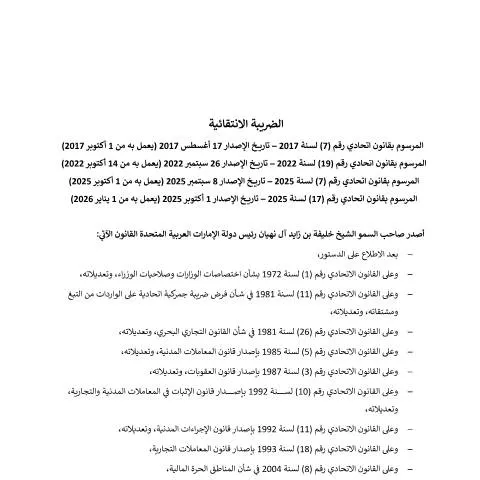
Overview of the Federal Decree-Law No. 7 of 2017 and Its Amendments: Tax Legislation in the United Arab Emirates
The Federal Decree-Law No. 7 of 2017, along with its subsequent amendments, constitutes a fundamental pillar of the United Arab Emirates’ (UAE) fiscal and legal framework concerning taxation. This legislation was enacted to establish a comprehensive legal basis for the regulation of tax procedures, compliance obligations, and the rights and responsibilities of taxpayers within the country. Its primary objective is to facilitate a fair, transparent, and efficient tax environment aligned with the UAE’s broader economic policies and legal standards.
Scope and Objectives of the Legislation
The decree-law applies to all persons and entities engaged in taxable activities within the UAE, including both natural persons and corporate entities. Its scope encompasses a wide array of tax-related matters, such as the imposition, collection, and administration of taxes, as well as the enforcement of compliance and dispute resolution mechanisms. The legislation aims to modernize the UAE’s tax system, promote compliance, and foster an environment conducive to sustainable economic growth.
Main Provisions and Key Changes Introduced
Legal Framework for Tax Administration
The decree-law establishes the legal authority of the Federal Tax Authority (FTA) as the main body responsible for implementing and overseeing tax policies. It delineates the powers of the FTA, including the authority to assess, collect, and enforce taxes, as well as to issue regulations and guidance to facilitate compliance. The law emphasizes transparency and fairness in tax procedures, aligning with international standards.
Tax Procedures and Compliance
Taxpayers are required to register with the FTA and obtain a unique tax registration number. The legislation details the procedures for filing tax returns, making payments, and maintaining records. It also introduces provisions for audits and inspections, ensuring that tax authorities can verify compliance effectively. The law emphasizes the importance of digital processes, encouraging the use of electronic submissions and online portals to streamline interactions.
Amendments and Updates
Since its enactment, the legislation has undergone amendments to adapt to evolving economic conditions and international best practices. These amendments have clarified certain provisions, expanded the scope of taxable activities, and introduced new compliance requirements. The updates aim to enhance the robustness of the tax system and ensure it remains aligned with global standards and the UAE’s strategic economic objectives.
Implications for Taxpayers and Stakeholders
The enactment of this decree-law signifies a shift towards a more structured and transparent tax environment in the UAE. Taxpayers are now subject to clear obligations regarding registration, reporting, and payment, with digital channels playing a central role in these processes. For businesses, understanding the provisions of this legislation is crucial for maintaining compliance and avoiding penalties.
Additionally, the legislation reinforces the UAE’s commitment to international cooperation on tax matters, including the exchange of information and participation in global initiatives to combat tax evasion and ensure tax transparency.
Conclusion
The Federal Decree-Law No. 7 of 2017 and its amendments represent a significant step in the UAE’s ongoing efforts to develop a modern, efficient, and transparent tax system. By establishing clear legal guidelines and empowering the Federal Tax Authority, the legislation aims to create a stable fiscal environment that supports sustainable economic growth while ensuring compliance and fairness for all taxpayers within the country.