Navigating the IRS Form 1118S1: A Vital Resource for Corporations
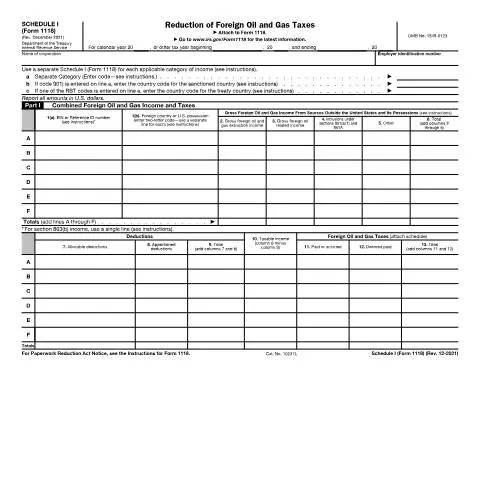
When it comes to managing foreign oil and gas income, IRS Form 1118S1 plays a crucial role for corporations operating across borders. This form, specifically designed for use with Form 1118, is essential for corporations claiming credits for taxes paid on foreign oil and gas income. Understanding its nuances can significantly impact a corporation's tax liabilities and credit eligibility. Let’s explore the intricacies of IRS Form 1118S1, its importance, and the procedures involved in its completion and submission.
The Underlying Framework of IRS Form 1118S1
IRS Form 1118S1 is governed by the Internal Revenue Code, particularly sections pertaining to foreign income and taxes. Corporations that engage in oil and gas extraction outside the United States must navigate complex tax regulations. Form 1118 serves as the primary form to report foreign taxes paid, while Form 1118S1 serves as a supplementary schedule that details the reduction of foreign oil and gas taxes under section 907.
Understanding Section 907
Section 907 of the Internal Revenue Code is significant because it allows corporations to claim a credit for foreign taxes paid on income derived from foreign oil and gas extraction. However, this credit is subject to reduction, which is precisely what Form 1118S1 addresses. Corporations must be diligent in reporting their foreign income and the associated taxes to fully leverage the benefits available under this section.
The Timeline: Filing Requirements and Deadlines
Corporations must adhere to specific timelines when it comes to filing Form 1118S1. Typically, the deadline for submitting tax returns, including all relevant forms, falls on April 15 of the following year. However, corporations with a fiscal year rather than a calendar year must determine their deadlines based on the end of their fiscal year.
Key Dates to Remember
- Tax Year End: For calendar year filers, the year ends on December 31.
- Filing Deadline: Returns are due by April 15 of the subsequent year.
- Extensions: Corporations may apply for a six-month extension to file their tax return, which also extends Form 1118S1 submission.
Failure to file by the deadline could result in penalties, making adherence to this timeline crucial for corporations aiming to maintain compliance.
Preparing to Complete Form 1118S1
Before diving into the specifics of filling out Form 1118S1, corporations need to gather a variety of documents and information. This preparation phase is vital to ensure accurate reporting and to minimize the risk of errors that could lead to complications down the line.
Necessary Documentation
- Employer Identification Number (EIN): Essential for identifying the corporation.
- Foreign Income Reports: Reports detailing income earned from foreign oil and gas operations.
- Tax Payment Records: Documentation of foreign taxes paid, accrued, or deemed paid.
- Financial Statements: Corporate financial statements reflecting the income sources and related expenses.
Each of these documents plays a pivotal role in completing the form accurately and ensuring the corporation's tax strategy is optimized.
Completing IRS Form 1118S1: A Detailed Overview
Form 1118S1 consists of several parts, each requiring specific information to be reported accurately. The completion of this form must be done with attention to detail, as errors can lead to complications with the IRS.
Part I: Reporting Foreign Oil and Gas Income and Taxes
In this section, corporations will report their gross foreign oil and gas income derived from activities outside of the United States. Taxpayers must fill in the following details:
- Column A: Entry of the Employer Identification Number (EIN).
- Columns 2-5: Reporting gross foreign income and specific inclusions under foreign tax rules.
- Column 6: Adding up the total gross foreign oil and gas income.
It’s crucial to ensure that all amounts are reported in U.S. dollars, and appropriate conversions must be documented if foreign currencies are involved.
Part II: Reduction Under Section 907(a)
This portion deals with the calculation of any reductions in the credit for foreign taxes due to specific limitations under section 907. Here, corporations will need to calculate the total taxes paid and the potential reduction. The following items are crucial:
- Line 1: Report combined foreign oil and gas income.
- Lines 2 and 3: Calculate based on the highest corporate tax rate and total taxes reported.
- Line 4: Determine the reduction amount to be carried forward.
What Happens After Submission?
Once Form 1118S1 is completed and submitted, corporations must be ready for potential follow-ups from the IRS. Successful submission means the corporation can potentially receive credits, but there are various scenarios that could arise post-filing.
Post-Submission Follow-Up Actions
- IRS Processing: After submission, the IRS will process the return, which may take several weeks.
- Requests for Additional Information: The IRS may reach out for further documentation or clarification on reported amounts.
- Notification of Credit Approval: If approved, the corporation will be notified of the credits applied against their tax liabilities.
It’s essential to maintain organized records of all submitted documentation and correspondence with the IRS, as these may be needed for any future inquiries or audits.
Handling Issues: What to Do in Case of Errors or Denials
Errors in completing Form 1118S1 can have significant financial implications. If a corporation discovers an error after submission, or if the IRS denies the credit claimed, there are established protocols to follow.
Steps to Correct Errors
- Identify the Error: Review the form and identify the specific mistake.
- Prepare a Corrected Form: Fill out the corrected Form 1118S1, clearly marking it as a correction.
- Contact the IRS: Reach out to the IRS via their official channels to clarify the situation and follow their guidance.
In cases where credits are denied, corporations may appeal the decision or provide additional documentation to support their claim. Engaging a tax professional can be beneficial to navigate these scenarios effectively.
Understanding the Consequences of Non-Compliance
Neglecting to file Form 1118S1 or submitting incorrect information can lead to serious repercussions for corporations. Understanding these consequences is critical for compliance and financial planning.
Potential Consequences of Non-Compliance
- Penalties: The IRS imposes penalties for late filing or inaccuracies in reporting.
- Loss of Credit: Filing errors may result in the loss of valuable tax credits.
- Increased Scrutiny: Non-compliance may lead to audits or increased scrutiny in future filings.
By ensuring accurate and timely completion of Form 1118S1, corporations can avoid these pitfalls and effectively manage their foreign tax liabilities.
Final Considerations: The Importance of Professional Guidance
Given the complexities surrounding IRS Form 1118S1, corporations may benefit from consulting tax professionals with expertise in international taxation. These experts can provide valuable insights into optimizing tax strategies and ensuring compliance with IRS regulations.
Benefits of Professional Tax Advice
- Strategic Planning: Professionals can assist in developing tax strategies that align with corporate objectives.
- Accurate Reporting: They ensure that all forms, including Form 1118S1, are filled out correctly and submitted on time.
- Compliance Assurance: Professionals can help navigate changing regulations and maintain compliance with IRS requirements.
Understanding and completing IRS Form 1118S1 is essential for corporations engaged in foreign oil and gas activities. By following the outlined processes and seeking professional guidance when necessary, corporations can effectively manage their tax obligations and maximize available credits.
Understanding IRS Form 1118-S: A Comprehensive Overview
IRS Form 1118-S, specifically designed for foreign corporations and partnerships, is essential for organizations engaging in a variety of activities that require thorough documentation of income, deductions, and tax liabilities. This form is particularly relevant for entities that have income from U.S. sources, enabling them to calculate their allowable foreign tax credit. The correct filing of Form 1118-S is crucial, as it allows foreign entities to mitigate potential double taxation issues that may arise from income sourced within the United States.
For foreign corporations with U.S. branches or those deriving income from U.S. sources, Form 1118-S streamlines the process of reporting foreign taxes and allows taxpayers to take full advantage of available credits. Understanding the intricacies of this tax document can significantly affect a company’s financial standing, especially when navigating the complexities of U.S. tax law. The form requires careful attention to detail and understanding of various income categories, including dividends, interest, and capital gains, which might be subject to different tax treatments.
Filling Out Form 1118-S: Step-by-Step Guidance
Completing IRS Form 1118-S requires a methodical approach to ensure all information is accurately reported. Here's a step-by-step guide to assist you in the process:
- Gather Necessary Documentation: Before starting, compile all relevant financial documents, including income statements and records of foreign taxes paid. This helps in accurately calculating your tax liability and credits.
- Identify Your Income Categories: The form requires you to categorize your income correctly. Common categories include general-category income and passive-category income. Understanding these distinctions is vital for correct reporting and credit calculation.
- Complete the Form Sections: Start by filling out the general information, such as the corporation's name, tax identification number, and address. Then move into the income sections, ensuring that each type of income is reported under the appropriate category.
- Calculating Foreign Tax Credits: One of the primary purposes of Form 1118-S is to claim foreign tax credits. Carefully calculate the amount of foreign taxes paid and ensure they comply with the U.S. tax code to avoid penalties or disallowed credits.
- Review and Submit: Thoroughly review the completed form for accuracy before submission. An incorrect or incomplete form can lead to processing delays and potential audits. Once verified, submit the form along with your corporate tax return by the appropriate deadline, typically aligned with the general tax filing deadline of April 15, unless an extension is filed.
Common Pitfalls When Filing Form 1118-S
While preparing and filing IRS Form 1118-S, several common pitfalls can arise that filers should be aware of:
- Misclassification of Income: One of the most prevalent errors involves incorrectly categorizing income. Ensure that the income is classified correctly according to IRS guidelines, as this can impact the amount of credit you're eligible to claim.
- Inadequate Documentation: Filers often fail to maintain sufficient documentation to support their foreign tax credit claims. It is critical to retain all records of foreign taxes paid, as the IRS may request proof during audits.
- Missing Deadlines: Failure to file Form 1118-S on time can lead to penalties and disallowed credits. To avoid this, be aware of your filing calendar and consider filing for an extension if necessary.
- Complexity of Currency Conversion: If your foreign taxes are paid in a different currency, accurately convert these amounts into U.S. dollars according to IRS regulations. Miscalculations here can lead to incorrect credit claims.
- Neglecting State Tax Considerations: When filing your federal taxes, don’t overlook your state tax obligations. Each state may have its own rules regarding foreign income and tax credits, which could impact your overall tax situation.
By being aware of these potential pitfalls, you can take proactive steps to ensure your filing is both accurate and compliant with IRS regulations, maximizing your foreign tax credits while minimizing the risk of audits or penalties.