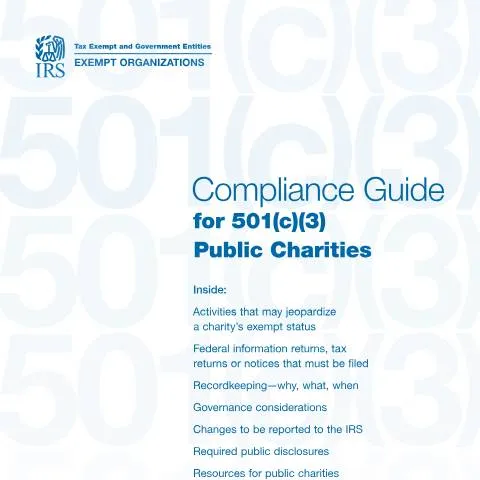
Understanding IRS Publication 4221-PC: A Key Resource for Charitable Organizations
In the complex world of tax-exempt organizations, IRS Publication 4221-PC serves as a critical guide for public charities seeking to maintain compliance with federal laws. This publication is not merely an informational document; it is vital for ensuring that nonprofits adhere to the requirements necessary to retain their tax-exempt status. Nonprofits, particularly those classified under section 501(c)(3), must navigate a myriad of regulations, and this publication acts as a roadmap through the intricacies of compliance.
The Role of IRS Publication 4221-PC
IRS Publication 4221-PC outlines essential information regarding the obligations and responsibilities of public charities. It covers a range of topics, including:
- Activities that may jeopardize a charity’s exempt status
- Required federal information returns and tax returns
- Recordkeeping requirements
- Governance and management practices
Nonprofits must be proactive in understanding these facets to avoid pitfalls that could lead to loss of tax-exempt status. Engaging with IRS Publication 4221-PC is the first stepping stone in establishing sound governance and operational practices.
Who Needs to Reference Publication 4221-PC?
Any organization that qualifies as a public charity under section 501(c)(3) should reference this publication regularly. This includes a vast array of entities, such as:
- Healthcare organizations
- Educational institutions
- Religious organizations
- Civic leagues and social welfare organizations
Understanding the specific requirements enumerated in Publication 4221-PC can aid these organizations in avoiding common compliance missteps. Furthermore, board members and executive leadership should familiarize themselves with the content to ensure that the organization operates within the confines of the law.
Filing Obligations: What to Submit and When
Throughout the year, tax-exempt organizations are required to file certain information with the IRS. Below is a breakdown of the key federal information returns that nonprofits may need to submit, which are discussed in detail in IRS Publication 4221-PC:
| Form | Description | Filing Deadline |
|---|---|---|
| Form 990 | Return of Organization Exempt From Income Tax | 15th day of the 5th month after the end of the organization’s tax year |
| Form 990-EZ | Short Form Return of Organization Exempt From Income Tax | 15th day of the 5th month after the end of the organization’s tax year |
| Form 990-N | Electronic Notice for Tax-Exempt Organizations Not Required to File Form 990 or 990-EZ | 15th day of the 5th month after the end of the organization’s tax year |
These forms are crucial for maintaining transparency and compliance with federal regulations. Missing these deadlines could not only jeopardize the organization’s tax-exempt status but also lead to significant penalties. Therefore, diligent recordkeeping and timely submissions are of utmost importance.
Preparing for Compliance: Documentation and Records
Recordkeeping is a fundamental aspect of operating a tax-exempt organization. IRS Publication 4221-PC emphasizes the importance of maintaining accurate records to substantiate claims made in filings. Organizations must prepare documentation in the following areas:
- Financial Records: Keep detailed records of income, expenses, and financial transactions.
- Operational Records: Document activities, programs, and services provided by the organization.
- Governance Records: Maintain minutes of board meetings and decisions made by governing bodies.
- Public Disclosure Documents: Prepare annual returns and exemption applications for public inspection.
These records not only support compliance but also enhance accountability and transparency. Should the IRS request documentation during an audit, organized records can facilitate a smoother review process.
Common Missteps and How to Avoid Them
Misunderstanding or overlooking elements of IRS Publication 4221-PC can lead to significant issues for public charities. Some common pitfalls include:
- Engaging in Political Campaigns: Public charities must avoid participating in political activities that favor or oppose candidates for public office.
- Inurement Issues: Charitable organizations are prohibited from allowing profits to benefit individuals, such as board members or executives.
- Failure to Report Changes: Any significant changes in operations, governance, or structural modifications must be reported to the IRS.
Being aware of these potential risks, and actively working to mitigate them, is essential for maintaining compliance and preserving the organization’s tax-exempt status.
Engaging with the IRS: Navigating the Process
Interacting with the IRS can seem daunting for many nonprofit organizations. However, IRS Publication 4221-PC details several ways that organizations can seek guidance or clarification regarding their compliance obligations:
- Utilizing IRS Resources: The IRS offers various publications and online resources tailored for tax-exempt organizations.
- Consulting Professionals: Engaging with tax professionals or legal advisors experienced in nonprofit law can provide insights into complex situations.
- Participating in Workshops: The IRS often hosts workshops aimed at educating nonprofit leaders on compliance and best practices.
Establishing a good relationship with the IRS can facilitate smoother communication regarding your organization’s activities and compliance status, reducing the likelihood of misunderstandings or compliance issues.
Recognizing the Distinctions: Publication 4221-PC vs. Other IRS Guidelines
While IRS Publication 4221-PC is a cornerstone for public charities, it is important to distinguish it from other IRS publications such as Forms 990 and 990-EZ. Here’s how they differ:
| Publication/Form | Focus Area | Target Audience |
|---|---|---|
| Publication 4221-PC | Compliance obligations, governance, and recordkeeping for public charities | 501(c)(3) tax-exempt organizations |
| Form 990 | Reporting financial information to the IRS | Nonprofits with gross receipts over $200,000 |
| Form 990-EZ | Short financial reporting form for smaller nonprofits | Nonprofits with gross receipts between $50,000 and $200,000 |
Understanding these differences helps organizations correctly interpret their obligations and avoid confusion when fulfilling compliance requirements.
Empowering Nonprofits Through Knowledge
IRS Publication 4221-PC represents a vital resource for public charities navigating the complexities of tax law and compliance. By actively engaging with the information presented in this publication and implementing best practices, organizations can better ensure their continued success and adherence to federal regulations.
In an era of increasing scrutiny over nonprofit organizations, being well-informed becomes not just advantageous but essential. By leveraging the detailed guidance provided in Publication 4221-PC, public charities can confidently manage their operations, uphold their missions, and maintain their tax-exempt status effectively.
Understanding IRS Publication 4221PC: A Comprehensive Overview
IRS Publication 4221PC, also known as "Compliance Guide for Tax-Exempt Organizations," serves as an essential resource for organizations that are seeking to understand the compliance requirements necessary to maintain their tax-exempt status. This publication is particularly relevant for various non-profit organizations, including charities, foundations, and other entities that operate under Section 501(c)(3) of the Internal Revenue Code.
The publication outlines the basic requirements and responsibilities that these organizations must adhere to in order to qualify for tax-exempt status. It emphasizes the importance of operational and financial transparency, as well as the necessity of adhering to specific funding and reporting guidelines. IRS Publication 4221PC also details the types of activities that are permissible under tax-exempt status, including educational programs, research, and community service.
Key Compliance Areas Outlined in Publication 4221PC
Within IRS Publication 4221PC, several critical areas of compliance are highlighted that non-profit organizations must navigate to avoid jeopardizing their tax-exempt status. Understanding these areas can help organizations operate more effectively while ensuring adherence to federal regulations.
1. Governance and Structure
Effective governance is a cornerstone of non-profit management, and IRS Publication 4221PC stresses the importance of having a well-defined organizational structure. This includes establishing a board of directors, implementing bylaws, and maintaining records of meetings and decisions. Organizations are advised to ensure that their governance practices reflect transparency and accountability. Special emphasis is placed on conflict of interest policies and the duty of care owed by board members to the organization.
2. Fundraising Activities
The publication provides detailed guidance regarding acceptable fundraising practices. Non-profits must ensure that their fundraising methods comply with both federal and state laws. This section discusses the necessity of registering as a charitable organization in states where fundraising occurs and the importance of providing donors with the information required by law. Non-profits must also disclose how funds will be utilized and provide tax receipts for donations as stipulated by IRS regulations.
3. Reporting Requirements and Recordkeeping
Transparency through proper reporting and recordkeeping is vital for tax-exempt organizations. IRS Publication 4221PC outlines the specific forms and schedules that organizations must file annually, including Form 990, which is a comprehensive report of the organization’s financial activities. This section elucidates the types of information that must be disclosed, such as revenue sources, expenses, compensation for officers, and any significant changes in the organization’s operations. It emphasizes the necessity of maintaining records that support the information reported on these forms for a minimum of three years.
4. Charitable Purpose and Activities
Maintaining a charitable purpose is crucial for tax-exempt organizations. The publication specifies what constitutes a charitable purpose under IRS guidelines and outlines the types of activities that are considered acceptable. Organizations must ensure their operations align with their stated mission and purpose. Any activities that deviate from this mission may result in loss of tax-exempt status. The publication also addresses unrelated business income (UBI) and how it may impact tax-exempt organizations, urging them to be cautious about engaging in activities that do not directly support their charitable missions.
Implications of Non-Compliance with IRS Publication 4221PC
Failure to adhere to the guidelines provided in IRS Publication 4221PC can have significant repercussions for tax-exempt organizations. Understanding these implications can help organizations prioritize compliance and maintain their tax-exempt status.
1. Loss of Tax-Exempt Status
One of the most serious consequences of non-compliance is the potential loss of tax-exempt status. Organizations that fail to meet the compliance requirements outlined in the publication risk being reclassified as taxable entities. This would result in the need to pay federal income tax on their earnings, which could severely impact their financial stability and operational capacity.
2. Penalties and Fines
In addition to losing tax-exempt status, organizations may also face penalties and fines for failing to comply with IRS regulations. The IRS has established penalties for various infractions, including failure to file required forms, providing false information, or engaging in prohibited activities. The cost of these penalties can add a significant financial burden on organizations already operating under tight budgets.
3. Damage to Reputation
Non-compliance can also lead to reputational damage. Loss of tax-exempt status or the imposition of fines can erode public trust and deter potential donors. Non-profit organizations rely heavily on their reputation to secure funding and support, making it imperative that they adhere to the guidelines set forth in IRS Publication 4221PC.
4. Increased Scrutiny and Audits
Organizations that have previously failed to comply with IRS guidelines may find themselves under increased scrutiny. The IRS may conduct audits more frequently for non-profits with a history of compliance issues, further straining resources and diverting attention away from the core mission. Increased oversight can also create additional stress for organizational leadership, making it crucial for non-profits to maintain a consistent and robust compliance program.
Steps to Ensure Compliance with IRS Publication 4221PC
To mitigate the risks associated with non-compliance and to foster a culture of accountability, non-profit organizations should adopt proactive measures to ensure adherence to IRS Publication 4221PC. Below are some practical steps organizations can take.
1. Develop Comprehensive Policies and Procedures
Establishing clear organizational policies and procedures is foundational to compliance. Organizations should create a compliance manual that outlines the necessary protocols for governance, fundraising, and financial reporting. This document should be readily available to all staff and board members, and regular training should be conducted to ensure everyone understands their roles and responsibilities.
2. Regularly Review and Update Practices
As regulations and federal guidelines evolve, non-profits must regularly review and update their practices to ensure ongoing compliance. Establishing a compliance committee that is responsible for monitoring changes in IRS regulations and adapting organizational practices accordingly can be invaluable. This committee should meet regularly to assess current practices and implement necessary changes.
3. Conduct Internal Audits
Regular internal audits can serve as an effective means of identifying potential compliance issues before they escalate into significant problems. Organizations should schedule audits at least annually, reviewing financial records, fundraising activities, and governance practices. This proactive approach can help organizations catch discrepancies early and take corrective action before they attract IRS scrutiny.
4. Seek Legal and Tax Advisory Support
Non-profit organizations may benefit from seeking legal and tax advisory support to navigate the complexities of tax-exempt compliance. Engaging with professionals who specialize in non-profit law can provide organizations with the expertise necessary to ensure they meet all regulatory requirements. These experts can assist in interpreting IRS guidelines, preparing required documentation, and representing organizations in case of audits or disputes with the IRS.
5. Foster a Culture of Transparency
Organizations should strive to foster a culture of transparency within their operations. Open communication regarding governance, decision-making processes, and financial practices can promote trust among board members, staff, and the community. By being transparent about their operations, organizations can enhance their credibility and demonstrate their commitment to compliance.
Conclusion: The Importance of Adhering to IRS Publication 4221PC
IRS Publication 4221PC is not just a guideline, but a vital tool for tax-exempt organizations. By understanding the intricacies of compliance as outlined in this publication, non-profits can better position themselves to succeed in their missions while adhering to federal regulations. The repercussions of non-compliance are too significant to ignore, making it essential for organizations to adopt robust compliance practices to safeguard their tax-exempt status and maintain public trust.