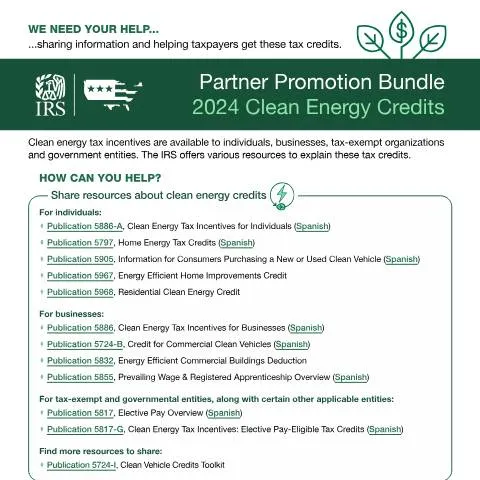
Understanding IRS Publication 5982: A Key Resource for Taxpayers
If you’re navigating the complexities of clean energy tax incentives, IRS Publication 5982 is an essential document. It serves as a comprehensive guide for individuals and organizations looking to understand their eligibility for various tax credits related to clean energy initiatives. The publication explains the details of these incentives, clarifying who can claim them and under what circumstances. This article delves into the intricacies of Publication 5982, equipping you with the knowledge needed to effectively utilize this resource.
The Historical Context of Clean Energy Tax Incentives
Clean energy initiatives in the United States have their roots in a growing awareness of environmental issues and the need for sustainable energy solutions. Over the past few decades, federal policies, including tax incentives, have evolved to encourage investment in renewable energy technologies. IRS Publication 5982 reflects the culmination of these efforts, detailing the specific tax credits available under current legislation.
The generation of clean energy has become pivotal in the national agenda, especially in the context of combating climate change. Consequently, IRS Publication 5982 was developed as part of the IRS's ongoing commitment to support taxpayers who contribute to these initiatives. By providing a detailed overview of eligibility, application processes, and important deadlines, this publication ensures taxpayers have the tools they need to leverage these benefits.
Who Should File IRS Publication 5982?
Publication 5982 is designed for a wide range of stakeholders. This includes:
- Individual Taxpayers: Homeowners and renters who are investing in clean energy systems, such as solar panels or energy-efficient appliances.
- Businesses: Companies that are implementing clean technologies or making investments in sustainable energy solutions.
- Tax-Exempt Organizations: Non-profit organizations seeking to reduce their environmental impact through clean energy projects.
- Government Entities: Local and state governments that are adopting clean energy measures to comply with federal standards.
Preparing the Documentation: What You Need
Completing IRS Publication 5982 requires careful preparation. The following outlines key documentation and information needed:
- Identification Documents: This includes your Social Security Number (SSN) or Employer Identification Number (EIN).
- Proof of Purchase: Receipts for any clean energy equipment purchased or installed during the tax year.
- Installation Documentation: Documentation showing when and how the installation was completed, especially for systems that require professional installation.
- Eligibility Criteria: Ensure you meet the specific requirements for the tax credit you are claiming, as outlined in the publication.
- Form Completion: Preparing to fill out the necessary forms accurately, following the instructions provided in Publication 5982.
Detailed Breakdown of IRS Publication 5982 Sections
IRS Publication 5982 is structured to facilitate ease of understanding. Here’s a closer look at some key sections:
Section 1: Overview of Available Tax Credits
This section outlines various tax credits available to individuals and businesses who invest in clean energy solutions. Each credit has unique eligibility criteria, which are detailed sufficiently to help taxpayers assess their potential benefits.
Section 2: Eligibility Requirements
Eligibility requirements are categorized by type of taxpayer. For instance:
- Residential Energy Credits: Homeowners must meet specific criteria regarding energy efficiency and equipment type.
- Commercial Energy Credits: Businesses need to adhere to stringent guidelines concerning equipment and operational practices.
Section 3: Application Procedures
This segment provides step-by-step guidance on how to apply for the tax credits. Taxpayers are advised to:
- Gather all necessary documentation.
- Complete the required IRS forms, referencing the instructions in Publication 5982.
- Submit the application by the relevant deadlines, which vary based on the type of credit.
Section 4: Common Challenges and Solutions
The publication doesn’t shy away from discussing potential hurdles. Common challenges include:
- Incorrect Documentation: Failing to provide adequate proof of installation or purchase can delay or deny claims.
- Misunderstanding Eligibility: Lack of clarity on who qualifies can lead to missed opportunities for tax credits.
Timeline: Key Dates and Deadlines
Understanding the timeline surrounding clean energy tax credits is crucial for successful claims. Below is a table highlighting essential dates:
| Event | Date |
|---|---|
| Tax Year Filing Deadline | April 15 of the following year |
| IRS Publication Updates | Annually in June |
| Deadline for Claiming Prior Year Credits | Three years from the tax filing deadline |
Navigating Disputes: Errors and Appeals
In the event of a dispute regarding tax credits claimed through Publication 5982, taxpayers have several options:
- Review Your Submission: Carefully revisit your initial application to identify any discrepancies.
- Contact the IRS: If mistakes are found, reach out to the IRS promptly to discuss potential remedies.
- File an Appeal: Should your claim be denied, you may appeal the decision by providing additional documentation or clarification.
It’s essential to act quickly, as there are strict timelines for addressing disputes.
Integration of Publication 5982 within Broader Tax Strategies
Publication 5982 plays a critical role in the broader landscape of tax strategy for individuals and businesses alike. By understanding how clean energy tax credits interact with other incentives, taxpayers can maximize their financial benefits. For example, combining clean energy credits with energy efficiency upgrades often leads to significant savings on overall tax liability.
Utilizing resources like IRS Publication 5982 can aid in creating a comprehensive approach to tax planning that aligns with sustainability goals. Many organizations are now incorporating clean energy investments into their long-term financial strategies, reflecting a shift toward environmentally responsible business practices.
Practical Tips for Successful Application
To ensure a smooth application process, consider these practical tips:
- Stay Organized: Keep all receipts and documentation in one place to avoid last-minute scrambling.
- Consult Experts: If your situation is complex, consider consulting with a tax professional who is familiar with clean energy credits.
- Utilize IRS Resources: Explore the IRS website for additional guidance and updates regarding Publication 5982.
By following these guidelines, taxpayers can enhance their chances of securing the benefits of clean energy tax credits effectively and efficiently.
Understanding IRS Publication 5982: An Overview of the Tax Treatment of Partnerships
IRS Publication 5982 serves as a critical resource for taxpayers who are involved in partnerships, whether they are general partners or limited partners. This publication outlines the tax implications, reporting requirements, and responsibilities that arise from partnership income, expenses, and distributions. A comprehensive understanding of the material presented in Publication 5982 is essential for both individuals and businesses navigating the complexities of tax compliance.
The publication starts by defining a partnership according to the Internal Revenue Service (IRS). Generally, a partnership is defined as an association of two or more people to carry on a business for profit. Each partner contributes money, property, or services to the partnership and, in return, receives a share of the partnership's profits and losses. The specifics of what constitutes a partnership can significantly impact tax reporting and obligations, particularly regarding the method of income distribution and the allocation of losses.
One notable aspect discussed in Publication 5982 is the distinction between general and limited partnerships. General partners have unlimited liability and are actively involved in the management of the partnership, while limited partners usually have liability only up to their investment in the partnership and do not participate in day-to-day operations. This distinction is crucial in understanding how earnings are taxed and how partners should prepare their tax returns. Each partner must report their share of the partnership's income or loss on their personal tax returns, typically using Schedule E (Form 1040).
Furthermore, Publication 5982 addresses the various types of income that a partnership might generate, including ordinary income, capital gains, and passive income. Each of these income types has different tax implications. For instance, capital gains may be taxed at lower rates, while ordinary income is subject to standard income tax rates. Understanding these distinctions allows partners to engage in strategic tax planning, ensuring they are taxed appropriately based on the type of income generated by the partnership.
The publication also outlines the importance of maintaining accurate records for all transactions, as this aids in substantiating income and expenses during an audit. The IRS provides guidelines for recordkeeping and emphasizes the necessity of transparency for tax compliance. Partners are encouraged to keep thorough documentation regarding partnership agreements, capital contributions, distributions, and other relevant financial data.
Key Reporting Requirements for Partnerships
Another significant facet of IRS Publication 5982 is its emphasis on the critical reporting requirements that partnerships must adhere to. Partnerships are required to file an annual information return, Form 1065, which reports the income, deductions, and other relevant financial information of the partnership. This form serves as a pass-through entity, meaning that the partnership itself does not pay income tax. Instead, it passes the income or loss to its partners who report it on their individual tax returns.
In addition to Form 1065, partnerships must also provide each partner with a Schedule K-1 (Form 1065), which details each partner's share of the partnership's income, deductions, credits, and other items. This form is crucial, as it informs partners of their tax obligations and ensures that they report the correct information on their tax returns. Timely and accurate completion of these forms is essential to avoid penalties and maintain good standing with the IRS.
Moreover, partnerships that have foreign partners or foreign investments may face additional reporting requirements, such as Form 8865, Return of U.S. Persons With Respect to Certain Foreign Partnerships. This adds a layer of complexity to tax compliance, necessitating an understanding of not only domestic tax obligations but also international tax regulations. The IRS provides detailed guidance on these matters, which can be particularly beneficial for partnerships that engage in cross-border activities.
It is also worth mentioning that the IRS occasionally updates forms and procedures, meaning that it is vital for taxpayers to stay informed about any changes to reporting requirements. IRS Publication 5982 provides the latest information, but it is advisable to regularly check the official IRS website for the most recent updates and revisions to forms and guidelines.
Common Pitfalls to Avoid When Filing Taxes for Partnerships
While IRS Publication 5982 provides a wealth of valuable information about the tax treatment of partnerships, it also highlights some common pitfalls that taxpayers should be cautious of when filing their taxes. One of the most prevalent mistakes that tax professionals and partners encounter is failing to accurately report partnership contributions and distributions. Misreporting these transactions can lead to significant discrepancies in taxable income and may trigger an audit from the IRS.
Additionally, partners often overlook the necessity of maintaining adequate documentation to support their claims. The IRS has stringent requirements for record retention, and not having the proper documentation can result in the disallowance of deductions or credits during an audit. Partners should implement an effective record-keeping system that tracks all financial transactions related to the partnership.
Another common issue is the misunderstanding of profit-sharing agreements and the allocation of income/losses. Partners should ensure that their partnership agreement clearly outlines how profits and losses will be allocated among partners. Inconsistent reporting can lead to disputes and complications during tax season.
Partners should also be aware of the implications of guaranteed payments, which are payments made to partners for services rendered or for the use of capital. Guaranteed payments are considered ordinary income and must be reported on the partner's tax return. However, the partnership may also deduct these payments as business expenses, leading to potential tax savings. Understanding the tax treatment of guaranteed payments is vital for effective tax planning.
Finally, tax deadlines are a critical aspect of compliance that should not be overlooked. Partnerships generally must file Form 1065 by March 15th of the following year, but extensions can be requested. However, it's important to note that an extension to file does not extend the time to pay any taxes owed. Partners should be diligent in meeting all deadlines to avoid penalties and interest.