Navigating Publication 5857: A Practical Guide for Taxpayers
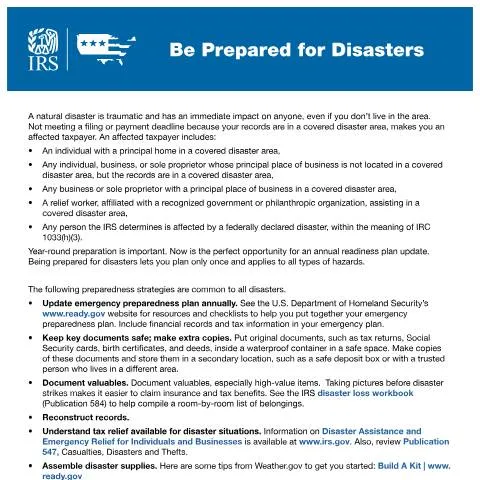
As natural disasters loom, the IRS Publication 5857 emerges as a crucial resource for individuals and businesses affected by federally declared disasters. This document guides you through understanding your rights and obligations as an affected taxpayer, providing essential information on claiming relief and navigating the complexities that arise during such challenging times.
The Structure of Publication 5857: Key Sections Unpacked
Publication 5857 is structured to equip taxpayers with vital information in the aftermath of a disaster. Each section of the publication is crafted to elucidate specific scenarios and provide actionable guidance. Let’s dissect the key components that make up this publication:
- Eligibility Criteria: Understanding who is classified as an affected taxpayer.
- Claiming Relief: Step-by-step processes for filing claims.
- Documentation Requirements: Key documents needed to support your claims.
- Tax Relief Options: Exploring various tax relief measures available.
- Contact Information: Where to turn for further assistance.
Eligibility Criteria: Who Qualifies as an Affected Taxpayer?
Publication 5857 clearly delineates the categories of individuals who qualify as affected taxpayers:
- Individuals whose principal home is located in a covered disaster area.
- Businesses or sole proprietors whose principal place of business is not in a covered disaster area, but whose records are affected.
- Individuals assisting in disaster relief efforts through recognized organizations.
- Any person identified by the IRS as affected by the disaster.
Understanding these definitions is paramount for knowing whether you can access the relief measures described in the publication.
Claiming Relief: A Step-by-Step Process
To claim relief following a disaster, it’s essential to follow a structured process laid out in Publication 5857. Here are the critical steps:
- Gather Documentation: Collect necessary records, including tax returns, and proof of losses.
- Complete Form 4684: Use this form to report casualty and theft losses.
- Review Publication 547: Familiarize yourself with rules regarding casualties, disasters, and thefts.
- Submit Your Claims: File claims through the appropriate channels as advised in the publication.
Completing these steps diligently can expedite your access to relief benefits.
Comparing Publication 5857 with Other IRS Documents
Many taxpayers often confuse Publication 5857 with other IRS publications related to disaster assistance. Here’s a clear comparison:
| Publication | Focus | Key Distinction |
|---|---|---|
| Publication 547 | Casualties, Disasters, and Thefts | Broader overview of disaster impacts. |
| Publication 584 | Casualty, Disaster, and Theft Loss Workbook | Practical workbook for documenting losses. |
| Publication 5857 | Specific guidance for affected taxpayers | Tailored for individuals impacted by federally declared disasters. |
This comparison highlights how each document serves a distinct purpose, with Publication 5857 offering targeted guidance for those directly affected by disasters.
The Impact of Timeliness: Filing Deadlines and Extensions
Understanding and adhering to deadlines is critical in the aftermath of a disaster. IRS guidelines as laid out in Publication 5857 emphasize the importance of timely filing. For affected taxpayers, the IRS may extend deadlines, but it is essential to be aware of:
- The typical tax filing deadline of April 15, unless otherwise specified due to disaster relief.
- Specific extension procedures, which may include filing Form 4868 for an automatic six-month extension.
- Formal notifications from the IRS regarding any additional extensions due to disaster circumstances.
How Extensions Work for Affected Taxpayers
If you live in or operate a business in a designated disaster area, you may qualify for extended deadlines. Here’s how to navigate this:
- Monitor official IRS announcements regarding your status as an affected taxpayer.
- Utilize the IRS website to determine if additional deadlines apply to your situation.
- Complete required forms to ensure compliance with any new timelines.
Documenting Losses: The Importance of Accurate Records
Accurate documentation is vital when it comes to claiming disaster relief. Publication 5857 underscores that maintaining thorough records will streamline the process of substantiating your claims. Here’s what to focus on:
- Photographic evidence of property before and after the disaster.
- Detailed inventories of lost or damaged items, along with their estimated values.
- Receipts or records showing the purchase prices of affected items.
These records not only help in claims processing but also enhance your overall preparedness for future emergencies.
What to Do if Your Claim is Disputed or Denied
In the unfortunate event that your claim is denied or disputed, it’s crucial to know the next steps. Publication 5857 outlines a process for handling such situations:
- Review the Denial Notice: Carefully read the reasons provided for the denial.
- Gather Supporting Information: Collect any additional documentation that may support your case.
- File an Appeal: Follow the instructions provided in the denial letter to formally appeal the decision.
Engaging with the IRS promptly and professionally can significantly improve your chances of a favorable outcome.
Seeking Assistance: Resources Beyond Publication 5857
While Publication 5857 is a valuable resource, there are additional pathways for assistance:
- IRS Disaster Assistance: A dedicated section on the IRS website provides comprehensive information on available aid.
- Local Taxpayer Advocate Service: An independent organization that offers help to taxpayers facing issues with the IRS.
- Community Resources: Local non-profit organizations may offer guidance and support for disaster recovery efforts.
Preparing for Future Disasters: Beyond Publication 5857
Publication 5857 emphasizes the importance of preparation. Having a comprehensive disaster preparedness plan can mitigate the impact of future disasters:
- Regularly Update Emergency Plans: Conduct annual reviews of your preparedness plans.
- Secure Important Documents: Store original documents in waterproof containers.
- Understand Local Resources: Know which organizations provide disaster assistance in your area.
By taking proactive measures, you can safeguard your financial future and ensure you’re well-prepared for any unforeseen events.
Understanding IRS Publication 5857: The Basics
IRS Publication 5857 provides comprehensive guidelines on various tax regulations applicable to individuals and businesses. Specifically, it addresses the tax implications associated with certain transactions and financial activities, ensuring the taxpayers understand their obligations under U.S. tax law. To grasp the details of this publication, one must first comprehend the fundamental concepts it introduces, including definitions of taxable events, reporting requirements, and the specific forms necessary for compliance.
One essential aspect covered in Publication 5857 is how different types of income are categorized. For instance, passive income, active income, and investment income have distinct reporting structures and tax implications. Understanding these categories is crucial for accurate tax reporting and ensuring compliance with the IRS guidelines. Additionally, the publication delves into the specifics of deductions and credits available to taxpayers, highlighting the importance of maintaining accurate records to substantiate claims.
Key Compliance Strategies for Taxpayers
Tax compliance is not just about filing the right forms; it also involves strategic planning to minimize tax liabilities. Publication 5857 emphasizes the importance of proactive tax management, offering insights on how to structure financial transactions to take advantage of available deductions and credits. For example, taxpayers are encouraged to assess their eligibility for various tax credits that can significantly reduce their tax burden, such as the Earned Income Tax Credit (EITC) or the Child Tax Credit.
Moreover, taxpayers should be aware of the timing of income recognition. Publication 5857 provides guidance on when to report income based on the cash or accrual method of accounting. By strategically timing income and expenses, taxpayers can optimize their tax positions each fiscal year. The publication also warns about the consequences of failing to comply with these rules, such as the potential for penalties and interest on unpaid taxes. Therefore, understanding and applying the compliance strategies outlined in Publication 5857 is pivotal for every taxpayer.
Common Misinterpretations and FAQs
Taxpayers often encounter confusion when navigating IRS guidelines, particularly with complex publications like 5857. Recognizing common misinterpretations can help prevent costly mistakes. For example, one frequent area of misconception involves the treatment of capital gains versus ordinary income. Some taxpayers might assume that all forms of income are taxed at the same rate, leading to inaccurate tax filings and potential audits. Publication 5857 clarifies these distinctions, offering examples that illustrate how different types of income are taxed differently.
Another area of confusion pertains to eligibility criteria for various deductions and credits. Many taxpayers may misinterpret their eligibility based on misconceptions about income limits or filing statuses. The publication includes specific criteria that must be met to qualify for certain tax benefits, emphasizing the importance of thorough research and understanding of one’s tax situation.
Furthermore, the publication addresses frequently asked questions (FAQs) related to the most common filing issues. For instance, it tackles questions regarding how to amend a previous tax return and the procedures for claiming a refund for overpaid taxes. These FAQs serve as a valuable resource for taxpayers, guiding them through common pitfalls and ensuring they meet their tax obligations effectively.