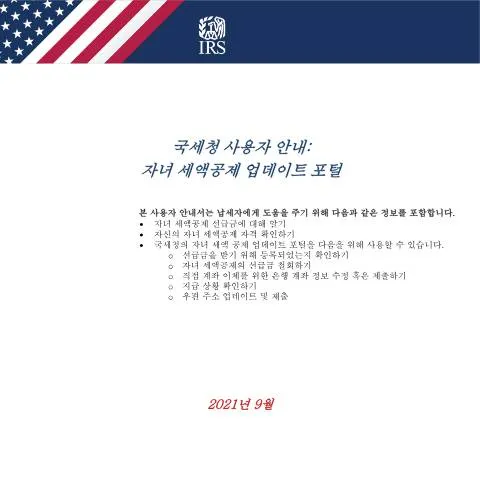
Navigating IRS Publication 5549KO: A Comprehensive Guide
Understanding IRS Publication 5549KO is crucial for taxpayers looking to maximize their benefits through the Child Tax Credit (CTC) and its advance payments. This publication was specifically designed to provide essential guidance regarding the expanded Child Tax Credit provisions established under the American Rescue Plan Act of 2021. The changes introduced by this legislation significantly impacted many American families, making it vital to grasp the nuances of this document.
Defining IRS Publication 5549KO: What Sets It Apart?
Unlike other IRS documents often confused with tax forms, IRS Publication 5549KO is not merely a tax return form like Form 1040 or a request form like Form SS-5. Instead, it serves as a comprehensive guide to assist taxpayers in understanding the advance payments of the Child Tax Credit. This publication is particularly relevant for the tax year 2021, as the IRS implemented substantial changes regarding eligibility and the amount of benefits available to families.
Among the most significant distinctions of Publication 5549KO is its focus on the advance payment structure introduced in 2021. Taxpayers are eligible for a monthly advance payment of the Child Tax Credit, which can substantially aid family budgets throughout the latter half of the year.
Submitting Publication 5549KO: Understanding the Channels
Taxpayers can access IRS Publication 5549KO online via the official IRS website. Unlike traditional forms that require physical submission, this publication acts more like a guidebook, helping taxpayers navigate their rights and responsibilities regarding the Child Tax Credit. However, for those needing to report their advance payments or make adjustments, several specific channels are available:
- Online Submission: Taxpayers can use the IRS Child Tax Credit Update Portal to manage their advance payments online. This tool allows users to check their eligibility, update bank account information, and withdraw from the advance payment system if desired.
- Paper Submission: While the publication itself does not require mailing, any related documents or forms that may need physical submission, such as tax returns, should be sent to the appropriate IRS address, which varies based on the taxpayer's state.
- In-Person Assistance: Taxpayers also have the option to visit local IRS offices for guidance, but it’s advisable to make an appointment in advance.
Preparing for Filing: Required Documentation and Situations
Before filing a tax return or taking advantage of the advance Child Tax Credit payments, taxpayers need to gather specific documentation that can vary based on individual circumstances. Understanding what to prepare is crucial for a smooth filing process:
General Documentation
- Proof of Income: This includes W-2 forms, 1099s, or any other relevant income statements.
- Social Security Numbers (SSNs): Taxpayers must provide SSNs for themselves and all qualifying children under the age of 18.
- Bank Account Information: To facilitate direct deposits of advance payments or refunds.
Specific Situations
- If You’re Filing Jointly: Both spouses must have their information ready, including SSNs and respective incomes.
- If Your Child Turns 18 in 2021: Ensure you have the necessary documentation proving your relationship and living situations.
- If You’re a Non-filer: Using the IRS Non-filer tool can help you register for benefits even if you typically do not file a return.
Integrating Publication 5549KO into Broader Tax Planning
Publication 5549KO is not an isolated document; it is a part of a larger framework of tax legislation affecting families. Understanding where this publication fits into overall tax planning is essential:
The Child Tax Credit has significant implications for households, especially those experiencing financial hardships. Incorporating this knowledge into your tax strategy can result in substantial savings or increased benefits. Here’s how to approach it:
- Annual Tax Returns: The advance payments received between July and December 2021 will need to be reconciled with 2021 tax returns filed in 2022. Taxpayers need to report the total advance payments received to avoid discrepancies.
- Future Tax Planning: Understanding how changes in income or family status may affect future eligibility for tax credits can help in making informed decisions about employment and expenditures.
- Utilizing IRS Resources: Regularly check IRS.gov for updates regarding tax credits, including Tax Publication 5549KO, as guidelines may evolve.
Tracking Your Request: Following Up with the IRS
Once you have submitted your tax documentation or made adjustments using the Child Tax Credit Update Portal, it is essential to know how to follow up on your requests effectively:
- IRS Response Times: Generally, the IRS aims to process tax returns within 21 days, but this may vary based on the complexity of your return or the volume of submissions during peak periods.
- Using IRS Tools: Utilize the “Where’s My Refund?” tool available on the IRS website to track the status of your refund or update requests.
- Contacting the IRS: If you have questions or concerns about your submission, calling the IRS helpline can provide clarity. Be prepared for wait times, especially during tax season.
Customizing Your Advance Payments: The Child Tax Credit Update Portal
The Child Tax Credit Update Portal stands as an essential tool for managing advance payments of the CTC. Here’s how to make the most of this resource:
Accessing the Portal
Taxpayers can access the portal through the IRS website, where they can:
- Check eligibility for advance payments
- Update personal information such as bank account details
- Withdraw from the advance payment program if circumstances change
Key Features of the Portal
| Feature | Description |
|---|---|
| Eligibility Check | Verify your eligibility for CTC advance payments |
| Direct Deposit Management | Update or change your bank account information for payments |
| Payment Withdrawal | Opt-out of receiving advance payments if not needed |
| Payment Status Check | Monitor your payment schedule and received amounts |
Making Adjustments: Withdrawing from Advance Payments
For some taxpayers, receiving advance payments might not be the best financial strategy. The Child Tax Credit Update Portal allows families to withdraw from the advance payment system:
- Families may prefer to wait until filing their 2021 tax returns to receive the full credit amount, especially if they expect changes that may affect their eligibility.
- For those whose income has increased significantly, opting out of advance payments can prevent potential repayment issues when filing taxes.
- It’s also wise for families experiencing changes in dependents to reassess their eligibility for future payments.
Final Thoughts on IRS Publication 5549KO
IRS Publication 5549KO serves as an invaluable resource for families navigating the complexities of the Child Tax Credit and its advance payment options. Its specificity in addressing new updates from the American Rescue Plan Act of 2021 offers taxpayers clarity and direction during an often complicated tax season. Familiarizing oneself with the publication allows for better financial planning and maximization of available benefits.
As tax laws continue to evolve, staying informed through IRS resources and guidance will be essential for all taxpayers, particularly those with children. By leveraging the information in Publication 5549KO, taxpayers can ensure they are well-prepared to make the most of their Child Tax Credit benefits and navigate the tax landscape effectively.
Understanding IRS Publication 5549KO: Key Features
IRS Publication 5549KO provides essential information for taxpayers navigating the complexities of federal tax obligations. This publication serves as a guide to understanding various tax credits and deductions that may apply to taxpayers, particularly in specific circumstances. The information contained in this publication is especially crucial for individuals who may be unfamiliar with IRS regulations or who have unique tax situations. It details eligibility requirements for various credits, helping taxpayers maximize their tax return potential while ensuring compliance with IRS regulations.
Navigating Complex Tax Situations with IRS Publication 5549KO
Taxpayers often find themselves in complex situations requiring a deeper understanding of the tax code. For instance, those who have experienced significant life changes—such as marriage, divorce, or the birth of a child—may be eligible for different tax benefits. IRS Publication 5549KO includes comprehensive sections that guide taxpayers through the necessary steps to adjust their tax filings accordingly. Additionally, the publication addresses common scenarios like unemployment or changes in income level that affect taxable income. Taxpayers can use this resource to identify which forms they need to file and how to properly report income from various sources, such as freelance work or side businesses, ensuring that they accurately report their earnings while taking advantage of available deductions.
Important Updates and Revisions in IRS Publication 5549KO
IRS Publication 5549KO is regularly updated to reflect changes in tax law and IRS procedures. Taxpayers should pay close attention to the revision dates listed on the publication, as these changes can significantly impact tax filing. For example, new tax credits may be introduced or existing ones modified, which could affect eligibility criteria. Keeping abreast of these updates is crucial for effective tax planning. Taxpayers can rely on the IRS’s official website to access the most current version of the publication, ensuring they have the latest information when preparing their tax returns. This proactive approach to staying informed can prevent costly mistakes and ensure that individuals take full advantage of their tax benefits.