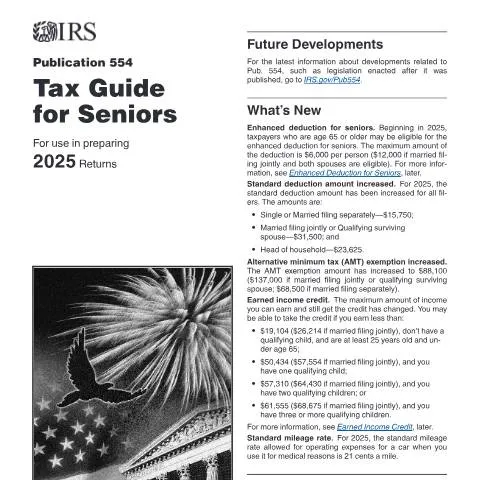
Understanding the Role of IRS Publication 554
IRS Publication 554, also known as the "Tax Guide for Seniors," serves as an essential resource tailored specifically for individuals aged 65 and over. This publication not only clarifies the tax filing obligations and opportunities available to seniors but also outlines the specific adjustments made to tax deductions and credits that are pertinent to this demographic. With the increasing complexity of tax laws, especially those affecting older adults, this guide aims to simplify the process and reduce confusion.
Who Should Refer to Publication 554?
While the title suggests that it is primarily for seniors, the audience goes beyond just individuals aged 65 and older. Various groups may find vital information within its pages:
- Caregivers: Those who assist seniors in managing their finances and tax obligations.
- Tax Preparers: Professionals who specialize in filing returns for older adults.
- Family Members: Individuals who are helping elderly relatives navigate their financial affairs.
- Financial Advisors: Experts offering advice on retirement planning and tax implications.
Key Changes and Updates for 2025
Publication 554 undergoes revisions as tax laws and regulations evolve. For the 2025 tax year, several critical changes are highlighted:
- Enhanced Deduction Limit: Seniors may qualify for a deduction of up to $6,000 ($12,000 for married couples filing jointly) if both spouses qualify.
- Increased Standard Deduction: The standard deduction for single or married filing separately filers has risen to $15,750, while it is $31,500 for married couples filing jointly.
- AMT Exemption Increase: The exemption amount for the Alternative Minimum Tax has been raised to $88,100, which directly affects potential tax liability.
Step-by-Step Process: From Trigger to Tax Return
Understanding how to utilize Publication 554 effectively involves knowing the entire process from the event that necessitates filing a tax return to receiving a tax refund.
1. Identifying the Need to File
The first step for seniors is determining whether they need to file a tax return. According to the IRS, factors influencing this decision include:
- Gross income level
- Filing status
- Age
For instance, if a senior has income exceeding the threshold set by the IRS (which varies based on filing status), they are required to file.
2. Gathering Necessary Documentation
Before filling out any forms, seniors should gather relevant financial documents, such as:
- Form SSA-1099 for Social Security benefits
- Any W-2 forms from employment
- Forms 1099 for other income sources
- Records of any deductible expenses
3. Completing the Tax Return
With the right documents in hand, taxpayers can now proceed to fill out Form 1040 or the senior-specific Form 1040-SR, both of which may be influenced by the guidance found in Publication 554. It’s crucial to pay special attention to:
- Reporting income accurately
- Claiming deductions pertinent to seniors
- Understanding tax credits, such as the Earned Income Credit
4. Filing the Tax Return
Seniors have several options for submitting their tax returns:
- Online: Using IRS e-file or various tax software programs.
- By Mail: Sending a completed paper form to the appropriate IRS address.
- In Person: Visiting a local IRS office or community tax assistance center.
5. After Submission: What’s Next?
Once the tax return is submitted, seniors should be aware of the following:
- Processing Time: Typically, tax returns are processed within 21 days, but delays can occur.
- Refund Tracking: Seniors can track their refunds through the IRS website using the IRS Where's My Refund tool.
- Responding to IRS Inquiries: If the IRS requests additional information or clarification, it’s essential to respond promptly.
Decoding the Form: Key Sections of Publication 554
The publication breaks down the filing process into manageable parts, offering insights into the essential sections of IRS tax forms. Understanding these components can significantly impact a senior's tax responsibilities.
The Income Section
One of the most crucial aspects of the tax return is the income section, where individuals must report various income types. Seniors are advised to:
- Report Social Security benefits accurately.
- Include pensions, annuities, and retirement account distributions.
- Be mindful of the tax implications of early withdrawals.
The Deductions Section
Publication 554 highlights common deductions available to seniors, such as:
- Medical and dental expenses (subject to limits)
- Charitable contributions
- Home mortgage interest
Ensuring that eligible deductions are claimed can potentially reduce overall taxable income and thus lower tax liability.
The Credit Section
Tax credits can be a significant financial advantage. Seniors should be aware of:
- Earned Income Credit: Available if income falls below certain thresholds.
- Credit for the Elderly or Disabled: Designed to support seniors with qualifying incomes.
Claiming these credits can lead to substantial financial benefits, including potential refunds.
Navigating the Consequences of Filing Errors
Filing taxes is not without its risks, and errors can lead to complications. Seniors should familiarize themselves with the potential ramifications:
Common Filing Mistakes
- Omitting income sources
- Incorrectly claiming deductions
- Failing to sign the return
Each of these mistakes can delay processing or result in penalties.
Responding to IRS Notices
If the IRS identifies discrepancies or requires clarification, seniors may receive a notice. It’s vital to:
- Read the notice carefully to understand the request.
- Gather necessary documentation to support the response.
- Respond by the deadline indicated in the notice to avoid further penalties.
Additional Resources and Support for Seniors
Beyond Publication 554, seniors have access to various resources that can assist them in navigating tax matters. Consider the following:
- Tax Counseling for the Elderly (TCE): A program offering free tax help to individuals aged 60 and older.
- Volunteer Income Tax Assistance (VITA): Another program that provides free assistance to those with lower incomes, including seniors.
- Online Resources: The IRS website hosts a wealth of information, forms, and guidelines that can be accessed at any time.
Understanding IRS Publication 554 and its implications for seniors is essential for effective tax planning and compliance. This resource not only aids in navigating the complexities of tax obligations but also ensures that seniors can maximize their benefits while adhering to federal guidelines. By following the steps outlined above and utilizing available resources, older adults can approach tax season with confidence and knowledge.
Understanding the Tax Implications of Various Types of Income
IRS Publication 554 provides comprehensive guidance on how different types of income are taxed and the implications for your financial responsibilities as a taxpayer. It is crucial to distinguish between earned income (like salaries and wages), unearned income (such as interest, dividends, and capital gains), and other income types including rental income and royalties.
For example, earned income is typically subject to ordinary income tax rates, while capital gains from the sale of assets held longer than a year are generally taxed at reduced rates. Understanding how these distinctions affect your tax liabilities can lead to more strategic financial planning. For instance, if you anticipate significant capital gains, you might consider the timing of your sale to minimize tax impact, especially if your income might shift into a higher tax bracket in subsequent years.
The IRS also highlights the importance of reporting all sources of income, regardless of their nature. This means that freelancers must report all payments received, even if they do not receive a Form 1099. Failure to report income can result in penalties, so it's advisable to keep meticulous records of all earned and unearned income throughout the year.
Special Considerations for Non-Resident Aliens
Non-resident aliens face a different set of tax rules compared to U.S. citizens and residents. The guidelines outlined in IRS Publication 554 detail the distinctions in how income is taxed for these individuals, primarily focusing on U.S.-source income. While non-resident aliens are only taxed on their U.S. income, they are not eligible for certain tax deductions and credits that residents can claim, which can result in a higher effective tax rate.
Furthermore, non-resident aliens must file Form 1040-NR, which is specifically designed for individuals who do not meet the criteria to be classified as residents for tax purposes. Understanding the implications of residency status is crucial, as it can affect liability for U.S. taxes and eligibility for tax treaties that may mitigate taxation. Certain income types, such as scholarship or fellowship grants, may also be treated differently and could be exempt from taxation under specific conditions, emphasizing the need for thorough understanding as outlined in Publication 554.
Navigating Deductions and Credits: What Publication 554 Leaves Out
While IRS Publication 554 provides a solid overview of income types and tax obligations, it does not delve deeply into the intricacies of available deductions and credits that can significantly reduce your taxable income. Taxpayers should explore additional IRS resources and consult tax professionals to fully understand the deductions they may qualify for, such as the standard deduction, itemized deductions, or specific credits like the Earned Income Tax Credit (EITC).
For instance, taxpayers who itemize deductions on Schedule A can deduct certain expenses, such as mortgage interest, state and local taxes, and qualified medical expenses, subject to limitations. However, the income thresholds and phase-out ranges for these deductions can vary, which means that careful planning is essential to maximize benefits.
Moreover, taxpayers should be aware of annual changes in tax law that frequently impact deductions and credits. Keeping track of these changes is vital, and although Publication 554 provides a foundational understanding, staying informed about additional IRS updates and guidelines will ensure you are making the most of your tax situation. A proactive approach can improve your financial health and help you navigate the complex landscape of federal taxation more effectively.