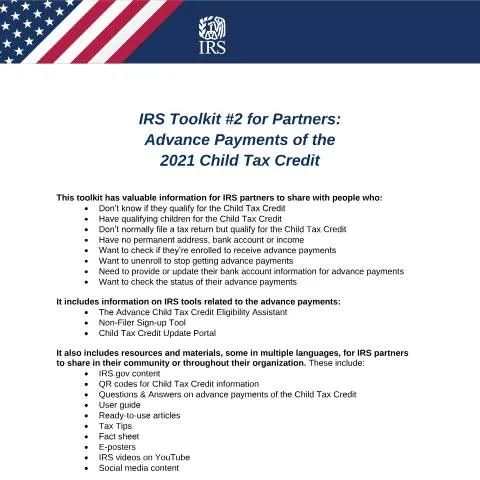
Understanding IRS Publication 5537: A Crucial Document for Child Tax Credit
IRS Publication 5537 is not just another document in the complex world of tax regulations; it’s a pivotal tool designed to enhance understanding and accessibility of the Child Tax Credit (CTC), particularly in light of the 2021 modifications under the American Rescue Plan Act. These changes allow more families to benefit from advance payments, thus making it essential for both practitioners and taxpayers to grasp the nuances of this publication. Whether you’re a first-time applicant or someone familiar with tax credits, the intricacies outlined in Publication 5537 can significantly impact your financial landscape.
Distinguishing Publication 5537 from Similar IRS Forms
Often, individuals confuse IRS Publication 5537 with other forms related to the Child Tax Credit, such as Form 1040 or even Form 8862, which is used for the Earned Income Tax Credit. However, understanding the distinct functions of these forms can be crucial.
- Publication 5537: Specifically tailored to provide information about the advance payments of the Child Tax Credit and eligibility criteria following the American Rescue Plan Act.
- Form 1040: The standard individual tax return form that taxpayers submit to report income, calculate taxes owed, and claim credits.
- Form 8862: Used by taxpayers who previously were denied the Earned Income Tax Credit, allowing them to prove eligibility upon reapplication.
While Form 1040 is the overarching document that collects various tax information, Publication 5537 serves as a focused guide, specifically delineating the changes and processes regarding child tax credits, especially for those receiving advance payments.
Key Timelines for Publication 5537
Timing is essential when dealing with tax credits and payments. The advance payments of the Child Tax Credit, as laid out in Publication 5537, commenced in July 2021 and continued through December 2021. Below are critical deadlines and milestones:
| Event | Date |
|---|---|
| Start of Advance Payments | July 15, 2021 |
| End of Advance Payments | December 15, 2021 |
| Tax Filing Deadline for 2021 Returns | April 15, 2022 |
What happens after these events? Taxpayers are expected to reconcile the advance payments received with their final Child Tax Credit entitlement when they file their tax returns for the year 2021. Failing to accurately report this could lead to receiving less than what is rightfully owed or, in some instances, being required to pay back any excess received.
The Impact of Publication 5537 on Taxpayer Rights and Obligations
With the benefits of the Child Tax Credit come certain responsibilities. For every taxpayer, awareness of their rights and obligations is paramount. Publication 5537 emphasizes:
- Eligibility Criteria: Parents or guardians of qualifying children need to ensure that they meet the specific requirements to receive the credit.
- Advance Payments: Those who qualify must be mindful of the payments received and how they will influence their tax return.
- Errors and Omissions: Failure to report accurate information can lead to penalties or the need to return funds gained from advance payments.
Moreover, taxpayers should know that they have the right to access assistance from the IRS to clarify any uncertainties regarding their eligibility and the advance payment process. This ensures that they remain compliant while maximizing their entitled benefits.
Submitting Publication 5537: Channels and Procedures
There are several ways for taxpayers to engage with Publication 5537 and the associated processes. Understanding these channels can streamline the filing experience:
- Online Submissions: The IRS allows for many forms and documents to be submitted electronically. However, Publication 5537 itself is a resource, not a form to submit.
- Paper Filings: Hard copies of necessary forms and supporting documents can be mailed to the IRS. Make sure to follow the latest guidelines for addresses and required documentation.
- In-person Assistance: Taxpayers may also visit IRS offices for direct assistance, though appointments may be required.
For anyone looking to receive advance payments or leverage the credit through tax returns, it’s critical to consult the tools and resources mentioned within Publication 5537 effectively. The publication directs taxpayers to several online tools, such as the Child Tax Credit Update Portal, which provides personalized information regarding their benefit status.
Addressing Special Circumstances and Exceptions
Not all taxpayers fit neatly into the general eligibility criteria. Various exceptional circumstances require additional consideration:
- Non-filers: Individuals who typically do not file tax returns may still qualify for the Child Tax Credit. Publication 5537 outlines how these individuals can utilize the Non-filer Sign-up Tool to claim their benefits.
- Individuals without Permanent Addresses: Those who lack a fixed residence or bank account can still receive payments, although it may require additional steps for verification.
- Dependent Children with Special Needs: Families with dependents who have special needs may encounter additional requirements or considerations that differ from standard procedures.
Each of these scenarios underscores the necessity of reviewing Publication 5537 for specific guidance tailored to unique situations, ensuring that all eligible families can take full advantage of available benefits.
What to Do in Case of Errors or Refusals
Should there be an error in the processing of advance payments or if a taxpayer encounters difficulties, understanding the next steps is crucial for resolution:
- Contacting the IRS: For any discrepancies related to advance payments, the IRS encourages individuals to reach out directly through their helpline or support channels.
- Submitting Corrections: If mistakes are found on tax returns regarding the Child Tax Credit, taxpayers must file an amended return using Form 1040-X.
- Disputing Denials: For refusals or issues surrounding eligibility, it is vital to keep detailed records of communications and submissions, as these can assist in appeals or further inquiries.
Initiating prompt action can help mitigate any financial implications stemming from errors, ensuring that families can access the full benefits of the Child Tax Credit.
The Regulatory Framework Supporting Publication 5537
To fully appreciate the significance of IRS Publication 5537, it’s important to consider the legal context in which it resides. The publication operates under the provisions established by the IRS, enhanced by the American Rescue Plan Act, which dramatically expanded the Child Tax Credit for the 2021 tax year.
This act allowed for:
- Higher Credit Amounts: The maximum amount per child was increased, benefiting families with greater financial support.
- Broader Eligibility: More families qualified for the credit, including those with varying income levels.
Such legislative advancements cement the role of Publication 5537 as a vital resource for taxpayers, guiding them through the complexities and updates of tax regulations that directly impact their financial well-being.
Final Thoughts: Harnessing the Benefits of IRS Publication 5537
The knowledge encapsulated within IRS Publication 5537 is imperative for families seeking to maximize their benefits from the Child Tax Credit. By familiarizing oneself with the processes outlined, understanding rights and responsibilities, and navigating the mechanisms of advance payments, taxpayers can enhance their financial stability.
As the landscape of tax regulations continues to evolve, staying informed through such publications becomes essential for making the most of available governmental benefits. Embrace the resources, be proactive with submissions, and ensure that you reap the rewards of your eligibility.
Understanding IRS Publication 5537: Key Insights for Taxpayers
IRS Publication 5537, titled "Health Coverage Tax Credit (HCTC) Program," provides crucial information regarding tax credits available for certain individuals who are eligible for the Health Coverage Tax Credit. This credit is designed to assist specific groups, including eligible recipients of Trade Adjustment Assistance (TAA) and retirees receiving pension benefits from the Pension Benefit Guaranty Corporation (PBGC).
The HCTC can cover up to 72.5% of qualified health insurance premiums, making it a vital resource for those in need. It’s important to understand the eligibility criteria, which include being a qualified trade-affected worker or a PBGC pension recipient. Additionally, beneficiaries should ensure they are enrolled in a qualified health plan. Detailed information about qualifying health plans can be found in the publication itself and on the IRS website.
Taxpayers looking to claim the HCTC must complete Form 8885 to report the credit. It’s essential to accurately fill this form to avoid delays in processing and potential audits. Keep in mind that deadlines for claiming the credit may align with federal tax filing schedules, typically by April 15 unless extensions are granted.
Filing Requirements and Special Considerations
When navigating IRS Publication 5537, it's crucial for taxpayers to understand the filing requirements associated with claiming the Health Coverage Tax Credit. It's not merely about eligibility; proper documentation and adherence to application processes ensure you receive the benefits you are entitled to. Individuals must report their HCTC claims on their federal income tax returns, and as already noted, the primary form for this is Form 8885.
Moreover, specific conditions may alter the filing landscape for different groups. For example, if you are a retiree receiving PBGC benefits, your eligibility might differ based on the length of time you've been receiving those benefits or changes in your health insurance coverage. Furthermore, workers who have moved between states due to trade-related job losses may also need to consider additional local or state tax implications when filing their federal returns.
Taxpayers should be mindful of the documentation required to support their claims. For instance, proof of qualifying health insurance coverage for each month of the tax year is necessary. This coverage must be verified through documentation from health insurance providers, and failure to provide this can result in disqualification from the credit.
Impact of HCTC on Other Tax Credits and Benefits
Another important aspect to deliberate upon regarding IRS Publication 5537 is how the Health Coverage Tax Credit interacts with other tax credits and benefits. Taxpayers need to be informed that claiming the HCTC could potentially affect their eligibility for other tax credits such as the Premium Tax Credit (PTC), which is available under the Affordable Care Act (ACA).
While the HCTC can significantly lower health insurance costs, taxpayers must carefully evaluate their circumstances. For instance, if a taxpayer qualifies for both the HCTC and the PTC, they should conduct a thorough cost-benefit analysis to determine which credit offers greater financial relief. It’s crucial to remember that taxpayers cannot receive both credits for the same premiums; this means that an informed choice must be made regarding which credit to claim based on comprehensive calculations of premium costs versus credit amounts.
Furthermore, claiming the HCTC might also have implications for other benefits, such as social security or Medicare. If individuals are in transition due to retirements or trade adjustments, they must ensure that their tax strategies align with their future eligibility for government health programs. Therefore, consulting with a tax professional who understands these intricate details can be beneficial in navigating the complexities of health coverage credits and their broader impact on your financial situation.