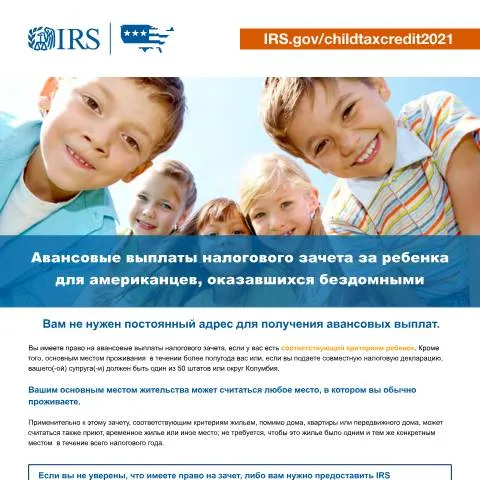
Navigating the IRS Publication 5534-FRU: A Practical Guide for Parents
For many American families, navigating the complexities of tax relief can be a daunting task, especially during challenging times. IRS Publication 5534-FRU plays a crucial role in clarifying the guidelines for the Child Tax Credit (CTC) and how it applies to various situations. This document serves as a vital resource for parents seeking to maximize their benefits and understand the procedures involved in claiming these credits.
The Importance of Publication 5534-FRU in Your Family's Tax Strategy
This publication outlines the eligibility requirements and the processes involved in receiving advance payments of the Child Tax Credit. It is essential for parents to familiarize themselves with this document to ensure they are claiming all available credits and complying with IRS regulations.
Who Should Pay Attention to Publication 5534-FRU?
- Parents or guardians of qualifying children.
- Individuals who have changed their living situation, such as becoming homeless or moving into temporary housing.
- Taxpayers seeking to understand their rights and options regarding the Child Tax Credit.
Key Topics Covered in Publication 5534-FRU
This publication focuses on:
- Eligibility criteria for the Child Tax Credit.
- How to apply for advance payments, even without a permanent address.
- Understanding the necessary documentation and information required.
The Administrative Process: From Application to Payment
Understanding the administrative process related to IRS Publication 5534-FRU is vital for ensuring a smooth experience when applying for the Child Tax Credit.
Filing for Advance Payments
To claim advance payments of the Child Tax Credit, eligible individuals do not need a permanent address. This flexibility is crucial for those who may face housing instability. The IRS provides several online tools to assist in this process:
- Child Tax Credit Eligibility Assistant: This tool helps determine if you qualify for the credit based on your circumstances.
- Non-filer Registration Tool: If you aren’t normally required to file a tax return, this tool captures your essential information for the IRS.
- Child Tax Credit Update Portal: This portal allows recipients to manage their payment preferences and verify their payment status.
Documentation: What Do You Need?
When applying for advance payments, it is crucial to provide the IRS with accurate and complete information. Here’s a checklist of essential information you will need:
| Information Required | Description |
|---|---|
| Personal Identification Information | Your Social Security Number (SSN) and date of birth. |
| Child Information | SSNs and birthdates of qualifying children. |
| Income Details | Estimate of your annual income for eligibility verification. |
| Banking Information | Bank account details for direct deposit of payments. |
Understanding the Distinctions: Publication 5534-FRU vs. Other IRS Publications
Publication 5534-FRU is often confused with other IRS materials related to tax credits. Understanding its unique purpose is essential for effective tax planning.
Similarities and Differences with Related Publications
Here’s how Publication 5534 differs from other common IRS publications:
| Publication | Focus Area | Comparison |
|---|---|---|
| Publication 5534-FRU | Child Tax Credit and advance payments. | Specific to parents/guardians; emphasizes advance payment process. |
| Publication 972 | Child and Dependent Care Expenses. | Focuses on reimbursements for care costs, not directly related to CTC. |
| Publication 501 | Certain Dependents and Filing Status. | Broad eligibility for dependents; does not address advance payments. |
Submitting Your Application: Navigating the Channels
Once you’ve gathered the necessary information, the next step is to submit your application for advance child tax payments. Understanding your options is key.
Online Submission vs. Paper Filing
The IRS provides multiple ways to submit your application. Here’s a breakdown:
- Online Submission: The quickest way to file is through the IRS’s online platforms, including the Child Tax Credit Update Portal.
- Paper Filing: If you prefer traditional methods, you can complete a paper application and mail it to the IRS. This method may result in longer processing times.
- In-Person Assistance: For those needing help, the IRS offers in-person services at local offices, but it’s advisable to schedule an appointment.
What Happens After Submission?
Once your application is submitted, tracking its status is essential. Using the Child Tax Credit Update Portal, you can:
- Verify if your application was received.
- Check your payment status.
- Update your banking information if necessary.
Special Considerations: Unique Cases and Complex Situations
Some families may find themselves in unique situations when applying for the Child Tax Credit. Understanding these nuances can help ensure that all eligible families receive the benefits they deserve.
Special Circumstances for Foreign Nationals
If you’re a foreign national residing in the United States with qualifying children, you may still be eligible for the Child Tax Credit. It’s essential to provide:
- Your Individual Taxpayer Identification Number (ITIN).
- Documentation of your residency status and tax obligations.
Applying for Minors and Dependents
Parents of minors, especially those who are dependents but not traditional filers, need to be aware of specific provisions that allow them to claim credits on behalf of their children.
- Ensure that the child qualifies as a dependent under IRS guidelines.
- For minors who earn income, it’s crucial to assess whether they need to file their tax returns, which can affect credit eligibility.
Advocating for Your Rights as a Taxpayer
When navigating the complexities of tax credits and filings, understanding your rights is crucial. IRS Publication 5534-FRU not only guides you through the application process but also empowers you to advocate for your financial well-being.
Understanding Your Rights
As a taxpayer, you have the right to:
- Receive clear and concise information regarding your tax obligations.
- Access resources that assist you in understanding benefits available to you.
- Challenge IRS decisions if they do not align with the published guidelines.
By utilizing the information put forth in IRS Publication 5534-FRU and available IRS tools, families can successfully navigate the tax system and secure the benefits they are entitled to.
Staying Informed: Helpful Resources
For further assistance, it’s advisable to regularly visit the IRS website for updates regarding tax credits, eligibility, and new publications. Engaging with community resources, including local tax assistance programs, can also provide valuable support.
Understanding IRS Publication 5534: Key Concepts for Tax Filers
IRS Publication 5534, titled "Information on Non-Exempt and Exempt Organizations," serves as an essential guide for taxpayers dealing with various organizational types and their taxation. This publication emphasizes the distinctions between exempt and non-exempt organizations, providing crucial information for individuals and businesses alike.
To understand the nuances of this publication, it’s vital to grasp the underlying concepts of tax exemption and the responsibilities that come with it. Organizations that qualify as tax-exempt under the Internal Revenue Code (IRC) typically include charities, educational institutions, and religious organizations. The primary advantage of tax-exemption is that these entities do not pay federal income tax on their income, allowing them to allocate more resources towards their charitable missions.
However, with exemption comes accountability. Publication 5534 outlines the necessary compliance requirements, including the need for tax-exempt organizations to file annual returns, such as Form 990 or Form 990-EZ, depending on their revenue levels. Failure to comply can result in penalties or even revocation of tax-exempt status. Understanding these requirements is crucial for both existing organizations and those considering establishing a non-profit.
Furthermore, IRS Publication 5534 delves into the implications of engaging in unrelated business income (UBI) for tax-exempt organizations. It clarifies that while these organizations can engage in activities to generate income, they must be cautious as income derived from these activities could be subject to taxation if deemed unrelated to their primary exempt purpose.
Taxpayers should pay close attention to the stipulations provided in this publication to navigate the complexities of compliance and taxation successfully. It's highly recommended that individuals and organizations consult with tax professionals who specialize in non-profit tax law to ensure they remain compliant and informed about any potential changes in legislation or IRS policies.
Common Misconceptions Regarding Non-Profit Organizations
Despite the widespread understanding of what non-profit organizations (NPOs) are, numerous misconceptions can lead to confusion and mismanagement. Many people assume that being a non-profit means that the organization cannot earn any income. This is incorrect; NPOs can generate substantial revenues, but their primary mission must focus on serving a public or community benefit rather than profit generation for owners or shareholders.
Another prevalent myth is that tax-exempt means completely free from all taxes. While tax-exempt organizations do not pay federal income taxes, they may still be responsible for state or local taxes, including sales taxes on certain purchases dependent on state laws. Additionally, NPOs may be subject to unrelated business income tax (UBIT) if they engage in activities that are not substantially related to their exempt purpose.
Moreover, many individuals believe that tax-exempt status guarantees perpetual exemption from taxes. The IRS requires ongoing compliance to maintain this status. Organizations must keep detailed records, file the appropriate forms, and adhere to the operational standards set forth in their original application. Failure to do so can result in the revocation of their tax-exempt status.
To combat these misconceptions, IRS Publication 5534 serves as a valuable resource. It aims to educate both current and prospective non-profit organizations about their responsibilities and the regulatory landscape surrounding tax-exempt status. Stakeholders should take proactive measures to educate themselves and their teams to mitigate misunderstandings that could jeopardize their missions.
Navigating IRS Compliance: A Step-by-Step Guide for Non-Profits
Navigating the IRS compliance landscape can be daunting for non-profit organizations, especially those new to the sector. Understanding the sequence of steps involved in maintaining compliance can significantly enhance an organization’s ability to focus on its mission rather than on administrative burdens.
The first step is to apply for tax-exempt status using Form 1023 (Application for Recognition of Exemption Under Section 501(c)(3) of the Internal Revenue Code). This application requires detailed information about the organization’s structure, governance, and intended programs. Ensuring that this form is filled out accurately and comprehensively is crucial, as mistakes can delay processing or lead to denial of the exemption.
Once tax-exempt status is granted, organizations must be diligent in following IRS regulations regarding recordkeeping. It is advisable to maintain financial records for at least three years, as this is the duration that the IRS can audit an organization. Proper record-keeping is not only a legal requirement but also a sound practice for transparency and accountability.
Next, non-profits must file the appropriate annual return, which varies depending on their revenue and the number of employees. Large organizations typically file Form 990, while smaller ones may file Form 990-EZ or Form 990-N. Meeting filing deadlines—usually the 15th day of the 5th month after the end of the organization’s fiscal year—is essential to avoid penalties.
Furthermore, non-profits should familiarize themselves with the concept of unrelated business income (UBI). If an organization earns income from a trade or business activity that is not substantially related to its exempt purpose, it must file Form 990-T to report and pay taxes on this income. Understanding UBI is crucial for ensuring compliance while maximizing the organization’s revenue-generating potential.
Lastly, non-profits should stay updated on changes to IRS regulations and policies. The IRS website, particularly the section for charities and non-profits, offers critical updates and resources to help organizations remain compliant. Engaging with a tax professional who specializes in non-profit law can also provide tailored guidance, helping organizations navigate complexities unique to their operations.