Navigating IRS Publication 5534-DKO: Your Guide to Understanding and Utilizing this Official Document
When it comes to dealing with IRS documentation, clarity is essential. IRS Publication 5534-DKO isn’t just another piece of bureaucratic paperwork; it serves a specific purpose in the landscape of tax administration. Families and individuals may find themselves needing to understand this publication to claim certain tax credits or benefits accurately. But how does one navigate the complexities of this document effectively?
Understanding the Intricacies of Publication 5534-DKO
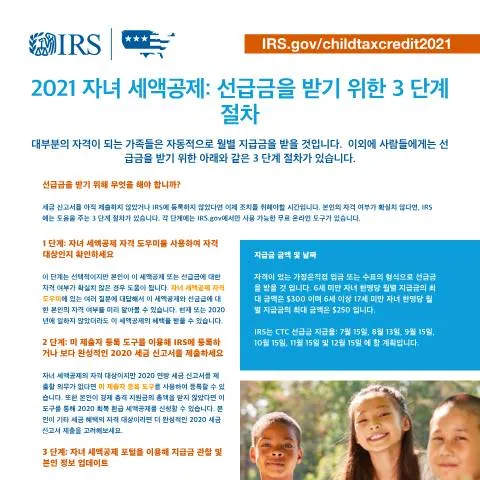
Before diving into the procedural elements surrounding IRS Publication 5534-DKO, it's pivotal to grasp its significance. This publication outlines guidelines related to advanced payments of the Child Tax Credit (CTC). It provides essential information about eligibility, payment amounts, and the steps necessary to claim these benefits.
The Role of IRS Publication 5534-DKO in the Tax Landscape
The foundation of IRS Publication 5534-DKO is the Child Tax Credit. This credit was expanded under COVID-19 relief measures, allowing for families with qualifying children to receive advanced payments during the tax year. Understanding how this publication fits within the broader tax framework is crucial for all taxpayers.
- Eligibility Criteria: It details who can qualify for the advanced payments, based on income, filing status, and the number of dependent children.
- Payment Structure: The publication breaks down how much eligible families can expect to receive monthly, depending on their children's ages and the total number of dependents.
- Application Process: It outlines the necessary steps for families who have not filed their taxes to ensure they can still benefit from the CTC.
Breaking Down the Key Sections of Publication 5534-DKO
To illuminate the details within Publication 5534-DKO, let's deconstruct its primary components.
Eligibility Assessment
One of the first hurdles is determining eligibility. Families can use the Child Tax Credit Eligibility Assistant on the IRS website. It’s vital to understand that not every family will qualify.
Age Requirements
Children must be under age 18 by the end of the tax year to qualify for the CTC. This rule is strictly enforced, and parents should ensure their dependents fall within this age bracket.
Income Thresholds
For the 2021 tax year, the income limits are as follows:
| Filing Status | Adjusted Gross Income (AGI) Limit | Credit Amount per Child |
|---|---|---|
| Single | Up to $75,000 | $300 for children under 6, $250 for children 6-17 |
| Married Filing Jointly | Up to $150,000 | $300 for children under 6, $250 for children 6-17 |
| Head of Household | Up to $112,500 | $300 for children under 6, $250 for children 6-17 |
Payment Schedule and Amounts
Publication 5534-DKO provides clarity on the payment schedule for the advanced Child Tax Credit. Payments are structured to provide a monthly benefit that families can use to offset daily expenses.
Important Dates for 2021 Payments:- Payments began on July 15, 2021.
- Subsequent payments were scheduled for August 13, September 15, October 15, November 15, and December 15.
Understanding this schedule is crucial for financial planning. Families should be aware that these payments are separate from their annual tax refund, and they should not confuse the two.
Completing Publication 5534-DKO: A Step-by-Step Guide
Filling out the necessary forms and following the outlined steps can be daunting, especially when the stakes are high. Here’s how to navigate this process efficiently:
Step 1: Use the Eligibility Assistant
Before completing any forms, use the IRS's online tools to assess eligibility. If you have questions about your status or benefits, consult the IRS website directly for the most accurate information.
Step 2: Register with the Non-Filer Tool
If you haven’t filed a tax return for the year, you can register using the Non-Filer Tool provided by the IRS. This tool allows those who are typically not required to file to register for benefits like the Child Tax Credit.
- Visit the IRS.gov website to access the Non-Filer Tool.
- Provide information on your income and dependents as prompted.
- Ensure that all details are accurate to avoid processing delays.
Step 3: Track Your Payments
After submitting your information, monitor your payment status using the Child Tax Credit Update Portal. This portal will allow you to see if you are enrolled in the program and confirm your payment details.
Being proactive in tracking payments will help you manage your finances effectively and ensure you receive what you are entitled to.
What Happens If Your Application is Denied?
Receiving a denial can be frustrating and potentially financially damaging. However, understanding the next steps can offer a path forward.
Reasons for Denial
Your application for advanced payments under Publication 5534-DKO can be denied for several reasons:
- Incomplete Information: Any missing details can lead to an outright denial.
- Ineligibility: If your income exceeds the thresholds or if your dependents do not meet age requirements.
Next Steps After Denial
If you receive a denial, do not panic. Follow these steps:
- Review the denial letter carefully to understand the reasons cited.
- Gather any additional documentation that can support your case.
- Consider filing an appeal or resubmitting your application with complete and accurate information.
Post-Submission: How to Follow Up with the IRS
Once you’ve submitted your information, you might wonder how to track the progress of your application or what to do if it takes longer than expected to process.
Tracking Your Application
Utilize the IRS Child Tax Credit Update Portal to check the status of your payments or any changes to your eligibility. This site will be your best resource for real-time updates.
Contacting the IRS for Inquiries
If your application is delayed beyond a reasonable timeframe, it's vital to reach out to the IRS directly. Use the helpline numbers listed on the official IRS website to inquire about your specific case.
Preparing Supporting Documentation: What You Might Need
Having the right documentation on hand can facilitate a smoother application process. Depending on your situation, you might need:
For Families with Multiple Children
If claiming multiple children, documentation that confirms each child’s age and dependency status will be essential. This may include:
- Birth certificates
- Social Security cards
- Proof of residency, such as utility bills or rental agreements
Income Verification
Be prepared to provide proof of income, especially if you are near the income limit thresholds. Documents to consider include:
- Recent pay stubs
- Tax returns
- Any relevant financial statements
Conclusion: Why Staying Informed is Key
IRS Publication 5534-DKO is more than just another form; it's a vital document for families seeking financial relief and support through the Child Tax Credit. Understanding its intricacies, following the correct procedures, and having the right documents in hand are crucial steps for successfully navigating the IRS system. As the tax landscape continues to evolve, staying informed will empower you to take full advantage of your eligibility for these critical benefits.
Understanding IRS Publication 5534: What You Need to Know
IRS Publication 5534 is a vital resource that provides guidance on various tax-related matters. It is designed for taxpayers who may have specific needs or circumstances that affect their tax filings. Understanding the intricacies of this publication can help taxpayers navigate the often-complex landscape of federal tax regulations.
This publication addresses a series of topics, including but not limited to common deductions, credits available to eligible taxpayers, and specific scenarios that may necessitate further clarification. Importantly, it outlines the criteria that must be met for certain deductions and how to effectively document these expenses. Familiarity with the key points of Publication 5534 can significantly influence the financial outcomes of taxpayers, especially those in unique or complex financial situations.
Eligibility Criteria for Using IRS Publication 5534
One of the primary aspects outlined in Publication 5534 is the eligibility criteria for taxpayers who can take advantage of the information contained within the document. It is essential to understand that not all taxpayers will qualify for the deductions and credits discussed in the publication.
For instance, individuals with a specific income range may find different implications regarding their eligibility for tax credits. Additionally, taxpayers filing jointly may have different criteria compared to those filing singly. Furthermore, the publication emphasizes the importance of understanding your filing status, as it can dramatically affect your tax obligations and potential refunds.
It is also crucial to be aware of time-sensitive information regarding deadlines for filing claims for refunds or other tax benefits. The IRS typically mandates a three-year window from the date a return was filed for claiming refunds, which can directly influence a taxpayer's financial situation. Publication 5534 offers detailed timelines and essential deadlines to ensure compliance with IRS regulations.
Common Misconceptions About IRS Publication 5534
Despite being a valuable resource, IRS Publication 5534 is often misunderstood. One common misconception is that it only applies to a narrow band of taxpayers. In reality, the publication contains essential information relevant to a broader audience, including those who may not think they qualify for certain benefits.
Another frequent misunderstanding is the belief that any information within the publication is automatically applicable. Taxpayers should understand that while the publication serves as a guide, it is essential to assess individual circumstances against the criteria mentioned. Consultation with a tax professional can further clarify how the guidelines in Publication 5534 apply to specific situations.
Taxpayers also tend to overlook the importance of accuracy in reporting. The consequences of misreporting or failing to adhere to the guidance provided in Publication 5534 can lead to audits or penalties. Thus, while it offers guidance, it is imperative to approach tax filing with diligence and care, ensuring that all necessary documentation is accurate and thorough.