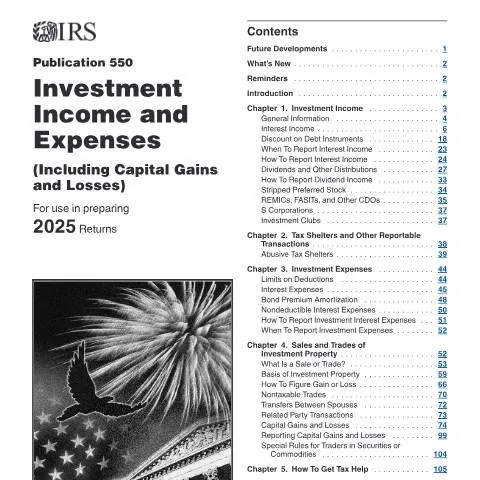
Understanding IRS Publication 550: A Gateway to Navigating Investment Income and Expenses
Navigating the intricate landscape of investment income and expenses can be daunting for many taxpayers. IRS Publication 550 serves as a crucial guide that demystifies tax obligations related to investments for individuals and entities alike. By providing detailed insights into the taxation of investment income and related expenses, this publication not only equips taxpayers with the necessary knowledge but also highlights their rights and responsibilities in the process.
The Historical Context Behind IRS Publication 550
IRS Publication 550 has its roots in the broader framework of federal tax regulations that aim to clarify tax treatment for various types of income. Over the years, the IRS has recognized the increasing complexity of investment income, stemming from the rise of various financial instruments and investment vehicles. The publication has evolved to address these changes, ensuring that taxpayers have access to up-to-date information that reflects the current legislative environment.
- Investment Vehicles Covered: Publication 550 addresses various investment types, including stocks, bonds, mutual funds, and partnerships.
- Changes Over Time: Significant revisions reflect changes in tax law, including the Tax Cuts and Jobs Act, and updates to reporting requirements.
- Guidance Purpose: The publication serves as an educational tool, guiding taxpayers in proper reporting and deduction practices.
The Importance of Timely Filing and Accurate Reporting
Filing your tax return accurately and on time is critical. Failing to do so can lead to penalties, interest, or an audit. Publication 550 emphasizes the importance of understanding what constitutes taxable investment income and which expenses can be deducted.
Taxpayers must be aware of the following:
- Taxable Investment Income: Includes interest, dividends, and capital gains.
- Deductible Expenses: Certain investment-related costs, such as advisory fees and interest on loans taken for investment purposes, may be deductible.
- Reporting Deadlines: For most taxpayers, the deadline for filing tax returns is April 15 each year. Any extensions must be filed properly, or penalties may apply.
Preparing the Essential Documents for IRS Publication 550
Before filing your tax return, it’s essential to gather all relevant documents. Proper preparation will facilitate accurate reporting and help prevent errors. Here’s a checklist of important documents and forms.
| Document Type | Purpose |
|---|---|
| Form 1099-INT | Reports interest income earned throughout the year. |
| Form 1099-DIV | Reports dividends received from investments. |
| Form 8949 | Used to report capital gains and losses from the sale of investment assets. |
| Brokerage Statements | Annual summaries that provide insights into your overall investment performance and income. |
Common Scenarios and Their Implications on Tax Filings
Taxpayers may encounter various scenarios related to their investments that can significantly impact their tax filings. Understanding these situations is crucial for compliance and optimizing tax obligations.
Foreign Investment Income
U.S. citizens earning investment income from foreign sources must report this income, regardless of residency. Exceptions may apply depending on treaties and specific exemptions, so it's vital to consult the publication for details.
Transaction Types and Their Reporting
Different types of transactions come with unique reporting requirements:
- Sales of Securities: Reportable on Form 8949, detailing each transaction.
- Recaptured Depreciation: Applies to property held for investment; the sale may trigger additional taxes.
Error Resolution: What to Do When Issues Arise
Despite careful preparation, errors can occur. Understanding how to rectify mistakes is essential for maintaining compliance with IRS regulations.
Incorrect Reporting
If you discover an error after filing your return, you can file an amended return using Form 1040-X. This form allows you to correct discrepancies in reported income or deductions.
Missing Documentation
In cases where documentation is incomplete, taxpayers should:
- Contact the issuing entity (e.g., bank or brokerage) for replacement forms.
- Retain any correspondence that reflects the attempt to obtain the documents.
The Role of IRS in Processing Returns and Providing Guidance
Once you submit your return, the IRS takes over, reviewing the information and determining any taxes owed or refunds due. Here’s what happens next:
Processing Timeline
Typically, the IRS processes returns within 21 days. However, various factors can delay this timeline, including:
- Errors in the return
- Missing information
- Tax returns that require further review
How to Track Your Return
The IRS provides tools for tracking your return’s status. You can utilize the “Where’s My Refund?” tool on the IRS website. This tool requires your Social Security number, filing status, and the exact amount of your refund.
Special Cases: Non-Residents and Other Unique Situations
Certain taxpayers may find themselves in unique situations that require special consideration under IRS Publication 550.
Foreign Nationals Investing in U.S. Markets
Foreign investors may be subject to different tax rules, including withholding requirements for U.S. source income. Consulting IRS guidance is essential to determine obligations.
Minors and Investment Income
Investment income for minors can complicate tax obligations. Minors must file tax returns if their income exceeds a certain threshold, generally similar to adults.
Recap of Key Dates and Deadlines
Understanding the timeline surrounding tax obligations is essential for every filer. Here's a concise overview of critical deadlines:
- January 31: Deadline for issuers to provide Form 1099s.
- April 15: Deadline for filing 2025 tax returns without extension.
- October 15: Final deadline for those who filed for an extension.
In the world of investment income and expenses, IRS Publication 550 acts as a vital resource for taxpayers. By understanding its intricacies, individuals can navigate their obligations effectively while maximizing available deductions and credits. The key to successful tax filing lies in timely preparation, accurate reporting, and familiarization with the specific rules governing investment income.
Understanding IRS Publication 550: Overview and Key Concepts
IRS Publication 550, titled "Investment Income and Expenses," provides clear guidelines on the treatment of various types of investment income and the expenses that can be deducted against that income. This publication is crucial for individuals and entities that deal with investment activities, including stocks, bonds, mutual funds, and real estate. It helps taxpayers understand what qualifies as taxable investment income and what expenses they can use to offset this income, ensuring compliance with IRS regulations.
One of the key sections of Publication 550 details the types of investment income. This includes interest, dividends, capital gains, and rental income from real estate. Each type has its specific tax implications and reporting requirements. For instance, interest earned from savings accounts is subject to ordinary income tax rates, whereas capital gains may be taxed at a more favorable long-term gain rate if the asset was held for more than a year. Understanding these distinctions is vital for accurate tax reporting.
Moreover, Publication 550 emphasizes the importance of maintaining accurate records of investment-related activities. Taxpayers must keep detailed documentation of purchase prices, sale prices, and expenses related to acquiring and maintaining investments. This includes brokerage statements, receipts for expenses, and any relevant correspondence with financial institutions. Maintaining these records is not just prudent; it’s essential for substantiating claims during audits or inquiries from the IRS.
Deductions and Credits: Maximizing Your Investment Tax Benefits
Publication 550 also elaborates on the deductions and credits that investors can take advantage of to lower their taxable income. For example, investment interest expense is often deductible, but it’s important to understand the limitations and qualifications. According to the publication, taxpayers can only deduct investment interest expenses to the extent of their net investment income. Any excess can be carried forward to future years, potentially providing additional tax relief down the line.
Furthermore, taxpayers should be aware of the implications of the Net Investment Income Tax (NIIT). For higher-income individuals, IRS Publication 550 explains the circumstances under which NIIT applies, effectively adding another layer to tax planning for investors. The NIIT imposes a 3.8% tax on investment income that exceeds certain thresholds. Understanding how this tax interacts with other forms of income is crucial for effective tax strategy, particularly for those in higher tax brackets.
Investors should also be mindful of the implications of the Alternative Minimum Tax (AMT) when reporting certain types of investment income and expenses. While not directly addressed solely in Publication 550, understanding the interplay between AMT and investment activities can be essential for high-income earners and those with significant investment portfolios. Keeping abreast of these details can aid in tax preparation and planning.
Special Cases in Investment Income: Real Estate and Passive Activity Losses
Real estate investment is a significant aspect of what IRS Publication 550 covers, particularly regarding rental properties. The publication explains how rental income generally must be reported on Schedule E (Form 1040), while also detailing how expenses related to rental properties can be deducted. This includes mortgage interest, property taxes, repairs, and depreciation, which can significantly reduce taxable income from rental activities.
However, investors must be cautious of the passive activity loss rules that the IRS applies, particularly for those who are not classified as real estate professionals. According to IRS guidelines, losses from passive activities can generally only offset income from other passive activities, which can restrict the ability to utilize losses from rental properties against other income types such as wages or business income. Understanding these regulations is vital for effective tax planning for individuals with investments in real estate.
Additionally, Publication 550 outlines the “at-risk” rules that apply to individuals who invest in businesses or rental activities. These rules limit the amount of loss a taxpayer can deduct to the amount they have at risk in the activity. For instance, if a taxpayer invests but has limited liability, their at-risk amount may be lower than their total investment, affecting their ability to claim deductions. This regulation adds another layer of complexity to the tax implications of investment income and reinforces the importance of thorough understanding and careful record-keeping.
It’s worth noting that each investment scenario can differ vastly based on unique circumstances, including the taxpayer's income level, the type of investment, and whether the investment is considered active or passive. Given these nuances, consulting IRS Publication 550 is essential, but so is the guidance from tax professionals who can provide tailored advice based on individual situations.