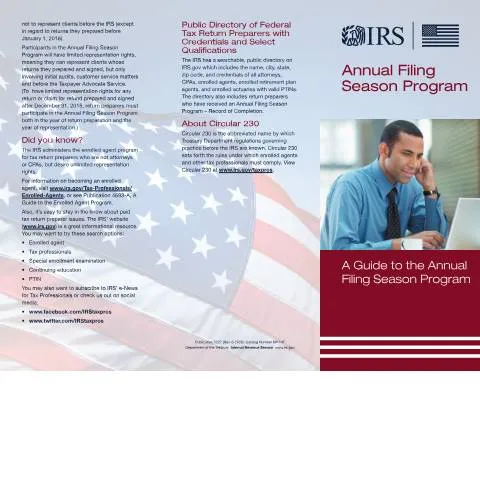
Navigating the Nuances of IRS Publication 5227
Understanding IRS Publication 5227 requires more than just a cursory glance. This document is pivotal for taxpayers, especially those who find themselves in unique financial situations or needing special provisions. Whether you are an expatriate, a minor, or facing complex tax circumstances, knowing how to effectively utilize this publication can enhance your tax understanding and compliance.
The Historical Context of IRS Publication 5227
The IRS Publication 5227 has evolved over the years, reflecting changes in tax law and administration. Initially introduced to aid taxpayers in understanding various deductions and credits, it has expanded its role to provide insight into the obligations and rights of taxpayers. The publication is a response to the ever-changing landscape of tax legislation and aims to simplify the filing process for the average citizen.
Publication 5227 is grounded in the framework set by the Administrative Procedure Act, which ensures that Federal agencies, including the IRS, adhere to a structured process while implementing changes. This historical backdrop allows taxpayers to see how legislation shapes their responsibilities and benefits.
Understanding the Timing: Key Dates and Deadlines
Tax season brings a flurry of activity, and knowing the critical deadlines associated with IRS Publication 5227 can save you from potential pitfalls. The standard tax filing deadline is April 15, unless it falls on a weekend or holiday, in which case the deadline is extended to the next business day.
- Filing Period: January 1 to April 15.
- Extensions: If you need more time, you can file for an extension, but this doesn’t extend the payment deadline.
- Subsequent Steps: After submitting Publication 5227, be sure to monitor your IRS account for any updates or requests for additional information.
Channels of Submission: Digital vs. Traditional
When it comes to submitting IRS Publication 5227, taxpayers have options. Depending on your preference and circumstances, you can choose to file online, via mail, or in-person. Each method has its pros and cons that may affect your experience:
| Submission Method | Advantages | Disadvantages |
|---|---|---|
| Online Filing | Faster processing times, immediate confirmation | Requires internet access, may involve software fees |
| Paper Filing | Traditional method, no tech skills needed | Longer processing times, no immediate confirmation |
| In-Person Filing | Face-to-face assistance available | May require appointments, limited locations |
The Role of Publication 5227 in Tax Compliance
Publication 5227 is not just a form; it plays a crucial role in maintaining tax compliance. Taxpayers must understand its purpose and how it fits into their overall tax strategy. For instance, it can clarify eligibility for certain deductions and credits, guiding taxpayers in their financial decisions.
Moreover, it serves as a valuable resource during audits. Familiarity with its provisions might be the difference between a smooth process and an intensive review. By ensuring that you accurately complete Publication 5227, you lay the groundwork for a well-documented tax return.
Steps to Complete and Submit Publication 5227
Completing IRS Publication 5227 involves several steps that require attention to detail:
- Gather Necessary Information: Collect all relevant documents, including income statements, previous tax returns, and any relevant tax forms.
- Fill Out the Form: Carefully enter your information, ensuring that all fields are completed accurately. Double-check for common errors like incorrect Social Security Numbers or missing signatures.
- Review and Verify: Before submission, review the form for any discrepancies or missing information.
- Choose Your Submission Method: Decide how you will submit the completed form, based on your needs and available resources.
Unique Considerations for Special Circumstances
For certain taxpayers, such as non-residents or minors, specific considerations apply when completing IRS Publication 5227. Understanding these nuances can prevent complications down the line.
Non-Residents and Expatriates
Non-residents filing taxes in the United States must adhere to specific guidelines outlined in Publication 5227. It details the eligibility for various deductions and credits and provides clarity regarding the taxation of foreign income.
Expatriates, in particular, may require additional documentation to support their claims. Familiarizing yourself with the publication's provisions can ensure that you are fully compliant with federal tax laws while maximizing your eligible deductions.
Minors and Tax Filings
Minors face unique challenges when it comes to tax filings. IRS Publication 5227 outlines the obligations for minors who earn income, detailing how their income is taxed and what forms are necessary. Understanding the implications of filing taxes at a young age can help parents and guardians guide their children through the process, ensuring compliance while also educating them about financial responsibilities.
What to Do if You Encounter Issues with Your Submission
Filing IRS Publication 5227 can sometimes lead to complications, such as errors or requests for additional information from the IRS. Here’s how to navigate potential issues:
- In the Case of Refusal: If your submission is denied, carefully review the reasons provided by the IRS. Often, these are due to incomplete information or discrepancies in the reported income.
- Correcting Errors: If you discover an error after submission, you must file an amended return using Form 1040-X. This form allows you to make corrections and provide the IRS with accurate information.
- Responding to Requests: Should the IRS request additional documentation or clarification, respond promptly and thoroughly to avoid delays in processing your tax return.
Publication 5227's Place in the Bigger Picture
This publication is part of a larger framework that includes various forms and guidelines taxpayers must adhere to throughout their tax journey. Understanding how Publication 5227 interacts with other IRS guidelines can provide a more comprehensive picture of your obligations and benefits under tax law.
It is essential to view this publication not as an isolated document but as a component of your broader financial planning strategy. By leveraging the information contained within Publication 5227, taxpayers can align their actions with IRS expectations, enhancing compliance and potentially mitigating tax liabilities.
Specific Sections of Publication 5227: A Deep Dive
Each section of IRS Publication 5227 presents unique elements that require careful consideration. Here’s an exploration of the main sections:
- Income Reporting: This section outlines how to report different types of income, including wages, interest, and capital gains. Failure to report income accurately can lead to penalties and interest accrued on unpaid taxes.
- Deductions: Taxpayers must familiarize themselves with eligible deductions to minimize taxable income. This section highlights common deductions and provides guidelines on how to substantiate claims with proper documentation.
- Credits: Understanding available tax credits is crucial for optimizing tax returns. This section details both refundable and non-refundable credits, elucidating their impact on overall tax liability.
Taxpayers are encouraged to approach each section of Publication 5227 with diligence, as incorrect information can compromise not just current filings but future interactions with the IRS. Regularly updating your knowledge on IRS guidelines will enhance your ability to navigate complex tax situations effectively.
Understanding IRS Publication 5227: A Comprehensive Guide to Estate and Gift Taxes
IRS Publication 5227 provides essential information regarding the tax implications of gifts and estates, particularly when it comes to understanding the nuances of gift tax exclusions, the estate tax exemption limits, and the reporting requirements for different types of transfers. This publication is vital for anyone involved in estate planning or for those who are considering making substantial gifts during their lifetime.
The publication outlines the differences between the annual gift tax exclusion and the lifetime exemption limit. For the 2023 tax year, the annual exclusion amount is $17,000 per recipient, which means you can gift that amount to an individual without incurring gift tax. However, if you exceed this amount, you may need to file Form 709, the United States Gift (and Generation-Skipping Transfer) Tax Return. Understanding these thresholds is crucial because it helps in planning how much wealth can be transferred without triggering tax liabilities.
Additionally, the publication discusses portable estate exclusion, which allows a surviving spouse to use any unused estate tax exemption from their deceased spouse. This portability can significantly affect estate tax planning and can be a valuable tool for maximizing the amount passed to heirs without incurring substantial tax burdens.
Beyond the basics, IRS Publication 5227 delves into more complex scenarios, such as transfers to trusts and the implications of generation-skipping transfers. It also discusses the nuances of filing requirements, including the deadlines and penalties for failing to comply. For example, the filing deadline for Form 709 is typically April 15 of the year following the gift, aligning it with individual income tax returns. Failure to file or pay any tax due can result in penalties, compounding the financial impact of a taxable gift.
Common Misconceptions About Estate and Gift Tax Planning
One of the most prevalent misconceptions regarding estate and gift tax planning is that only the wealthy need to worry about these taxes. In reality, while higher net worth individuals may be more affected by estate taxes due to their larger estates, nearly anyone can benefit from understanding gift tax exclusions and exclusions. Even small gifts can accumulate over time and lead to significant estate tax implications.
Another misunderstanding is the assumption that gifting assets will automatically reduce one's taxable estate. While making gifts can significantly reduce the size of the estate, it is essential to understand the timing and valuation of gifts. For instance, gifts of appreciated property may result in capital gains taxes for the recipient while not fully removing the asset's value from the donor's taxable estate, depending on the situations and the nature of the gift.
Moreover, many individuals are unaware of the implications of making gifts that are considered "universal" over time. For example, gifting money for a child's education or medical expenses directly to an educational institution or medical provider may be exempt from gift tax, regardless of the amount. This can be particularly beneficial for parents and grandparents looking to minimize their taxable estate while providing support for their loved ones.
Strategies for Effective Gift Tax and Estate Planning
When considering strategies for estate and gift tax planning, understanding the timing and method of gifting can lead to substantial tax savings. One effective approach is to make regular annual gifts to beneficiaries, taking advantage of the annual exclusion. By doing this consistently over several years, a significant amount can be transferred tax-free, potentially decreasing the overall taxable estate.
Another strategy is to establish a trust, such as an irrevocable life insurance trust (ILIT), which can provide benefits for both estate and gift tax considerations. By placing life insurance policies into an ILIT, the death benefit will not be included in the taxable estate, thus reducing estate taxes and providing liquidity to pay any potential estate taxes that may arise from the overall estate.
Furthermore, utilizing charitable remainder trusts (CRTs) can also be beneficial. These trusts allow individuals to make substantial gifts to charitable organizations while retaining an income stream for a specified period. This can result in a charitable deduction for the present value of the future gift, thus reducing the donor's taxable estate and income taxes in the year that the gift is made.
Ultimately, the key to effective estate and gift tax planning lies in proactive measures and informed decisions. Consulting with tax professionals or estate planners familiar with IRS Publication 5227 and its implications is critical for navigating these complexities and maximizing the potential benefits of estate and gift tax planning.