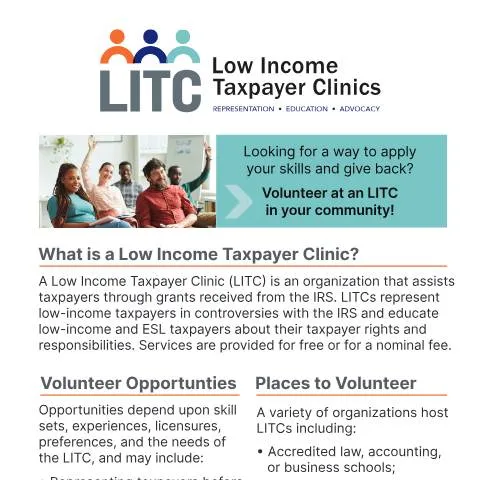
Navigating IRS Publication 5077: A Comprehensive Guide for Taxpayers
Understanding the intricacies of the IRS forms and publications can often feel overwhelming for many taxpayers. IRS Publication 5077 is a pivotal document that specifically addresses the rights and responsibilities of low-income taxpayers, especially those who may not have adequate resources to navigate the tax system. By unpacking this publication, we will delve into its importance, details on completion, submission protocols, and the implications of non-compliance.
The Vital Role of IRS Publication 5077 in Taxpayer Rights
IRS Publication 5077 serves as a beacon of clarity, providing essential guidance for low-income taxpayers. It outlines the rights these individuals have when dealing with tax issues, including the provision of assistance from Low Income Taxpayer Clinics (LITCs) and other resources:
- Educational Outreach: The publication aims to educate low-income taxpayers about their rights, including the right to representation.
- Access to Resources: It explains how to access LITCs, which help taxpayers in disputes with the IRS.
- Legal Framework: The document outlines the legal support available for low-income taxpayers facing audits or disputes.
By familiarizing oneself with the contents of Publication 5077, taxpayers can better navigate their responsibilities and standarize their rights.
A Closer Look at the Components of Publication 5077
To effectively utilize Publication 5077, it is crucial to understand its structure and the key points addressed within. Here, we will break down the primary sections of the publication:
1. Introduction to Low Income Taxpayer Clinics
This section provides a detailed overview of what LITCs are, emphasizing their role in aiding low-income taxpayers. With grants from the IRS, these clinics offer invaluable support, including:
- Free legal representation in disputes with the IRS.
- Education about taxpayer rights and responsibilities.
2. How to Access Support from LITCs
The document also includes practical steps on how to find and contact LITCs. This information is essential for taxpayers who may be unaware of the resources available to them. Finding a clinic can be as simple as:
- Visiting the IRS website or referring to Publication 4134, which lists LITCs by location.
- Reaching out via email to the LITC Program Office for assistance.
3. Taxpayer Rights and Responsibilities
One of the pivotal elements of Publication 5077 is its detailed explanation of taxpayer rights. This section outlines essential rights such as:
- The right to be informed about tax obligations and benefits.
- The right to appeal any IRS decision.
- The right to confidentiality regarding personal information.
Understanding these rights is crucial, as they empower taxpayers to advocate for themselves when dealing with tax issues.
4. Filing Tax Returns: Key Deadlines and Procedures
Publication 5077 highlights the importance of adhering to deadlines. The annual tax filing deadline for most individual taxpayers is typically April 15. However, taxpayers should be aware of any extensions that might be applicable. Following the tax calendar ensures compliance and helps avoid penalties.
5. What Happens in the Case of Denial or Errors
Taxpayers must be prepared for the possibility of their claims being denied or encountering errors in their paperwork. The publication provides guidance on:
- Filing an appeal if your claim is rejected.
- How to correct errors in filings promptly.
Being proactive can significantly mitigate the stress of navigating tax disputes.
Understanding the Distinctions: Publication 5077 vs. Other IRS Publications
Publication 5077 is not the only IRS document available to taxpayers, and distinguishing it from similar publications is essential. Here are a few comparisons:
| Publication | Focus Area | Target Audience |
|---|---|---|
| Publication 5077 | Rights of Low Income Taxpayers | Low-income individuals |
| Publication 580 | Credit for the Elderly or the Disabled | Senior taxpayers |
| Publication 501 | Dependents, Standard Deduction, and Filing Information | General taxpayers |
Recognizing the unique purpose of each publication can help taxpayers find the appropriate resources for their specific situations.
Preparing Documentation for Submission: What You Need
When preparing to submit any claims or petitions under the guidelines of Publication 5077, ensuring that you have the correct documentation is paramount. Here is a list of key documents you may need:
- Proof of income (e.g., pay stubs, tax returns).
- Identification documents, including your Social Security Number (SSN).
- Any correspondence from the IRS regarding your case.
Compiling these documents ahead of time can streamline the submission process and help ensure your claims are processed without unnecessary delays.
The Consequences of Non-Compliance
Failing to comply with IRS regulations can lead to serious repercussions, especially for low-income taxpayers who may already be under financial stress. Some potential consequences include:
- Penalties and interest on unpaid taxes, increasing the overall debt.
- Legal action from the IRS, potentially leading to wage garnishment or asset seizure.
Understanding these consequences underscores the importance of adhering to the guidelines provided in Publication 5077.
Ongoing Support and Advocacy for Low-Income Taxpayers
The landscape of tax administration can be complicated, but the support systems put in place through IRS Publication 5077 and LITCs offer a safety net for those who need it most. With numerous organizations across the country dedicated to assisting low-income taxpayers, individuals are encouraged to seek help and stay informed about their rights.
Utilizing these resources not only empowers taxpayers but also contributes to a more equitable tax system. If you find yourself in need of assistance, remember that there are avenues available to you; don’t hesitate to explore them.
Understanding the Importance of IRS Publication 5077
IRS Publication 5077 serves a critical purpose in the broader framework of tax compliance and regulation, especially for individuals who have recently changed their residency status or are dealing with various tax implications due to international circumstances. The publication provides guidance on how to navigate the complex landscape of tax obligations for U.S. citizens and residents who may have moved abroad or are returning to the United States after an extended period.
This publication is not just a mere informational document; it is a vital tool for ensuring that taxpayers understand their responsibilities under U.S. tax law. The IRS emphasizes the importance of maintaining tax compliance, as failure to do so can result in significant penalties, including fines and interest charges. By clearly delineating the requirements and procedures related to residency changes, Publication 5077 aims to minimize confusion and provide a straightforward path for individuals to meet their tax obligations.
Key Considerations When Using IRS Publication 5077
When utilizing IRS Publication 5077, there are several key considerations to keep in mind to ensure that you are fully compliant with the IRS regulations:
- Consult Your Tax Advisor: Before making any decisions based on the information presented in Publication 5077, it is highly advisable to consult with a qualified tax advisor. This is particularly important if you have a unique financial situation, such as owning foreign assets or earning income in multiple countries. A tax professional can help you interpret the guidelines in the context of your specific circumstances.
- Documentation Is Key: Maintain thorough documentation of your residency status, income sources, and any foreign tax payments. This will not only help you in accurately reporting your income on your tax return but will also serve as crucial evidence should the IRS request further information about your tax filings.
- Keep Updated with Changes: Tax laws and IRS regulations can change frequently. It's essential to regularly check for updates to IRS Publication 5077 or any related forms and guidelines on the official IRS website. Staying informed will help you avoid pitfalls associated with outdated information.
Exploring the Consequences of Non-compliance
The consequences of failing to comply with the guidelines laid out in IRS Publication 5077 can be severe. Understanding these repercussions is vital for anyone who may be affected by residency changes or international taxation issues:
- Financial Penalties: The IRS imposes financial penalties for failure to file tax returns on time, failure to pay taxes owed, and inaccuracies in reported income. Depending on the severity of the non-compliance, these penalties can accumulate quickly, resulting in significant financial burdens.
- Legal Ramifications: In some cases, continued non-compliance may lead to more serious legal consequences, including the potential for criminal charges related to tax evasion. The IRS has various enforcement mechanisms in place to track down individuals who fail to report their income accurately.
- Loss of Benefits: Failing to meet tax obligations can also affect your eligibility for certain government benefits, including Social Security and Medicare. If the IRS deems you to be in non-compliance, you may find it challenging to secure these essential benefits when you need them the most.