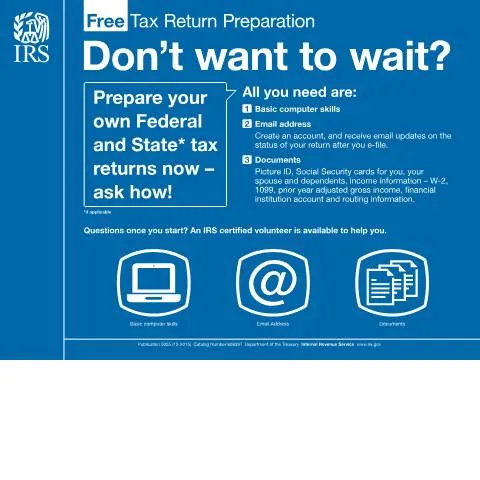
Navigating IRS Publication 5055: Your Guide to Understanding and Completing the Form
In the world of taxes, clarity is key. IRS Publication 5055, a comprehensive guide issued by the Internal Revenue Service, serves as an essential resource for taxpayers navigating various tax scenarios, particularly around tax refunds and errors. Understanding the nuances of this publication is crucial for anyone looking to ensure compliance with tax laws and efficiently manage their tax filings.
The Importance of Publication 5055 in Tax Compliance
IRS Publication 5055, last revised in December 2015, plays a pivotal role in the tax filing process. This document outlines the procedures and requirements taxpayers need to follow when they encounter issues related to their tax returns, specifically in the context of refunds and tax discrepancies. Its guidance helps taxpayers avoid common pitfalls and address issues proactively.
The Scope of Publication 5055
This publication provides a detailed overview of:
- The process for filing a refund claim.
- Understanding the types of income subject to taxation.
- Common challenges faced by taxpayers regarding refunds.
- How to rectify errors on tax returns efficiently.
Filing Timeline: Key Dates and Deadlines
Understanding the timeline for filing your tax return and any potential claims is essential. Here’s a breakdown of critical dates relevant to Publication 5055:
| Event | Date |
|---|---|
| Start of Tax Filing Season | Typically January 15 |
| Tax Filing Deadline | April 15 |
| Last Day to File for a Tax Refund | Three years from the filing deadline |
After filing your return, the IRS will generally process your tax return within 21 days. If you encounter any issues—such as discrepancies in your reported income or missing information—Publication 5055 provides guidance on how to proceed and what to expect.
Addressing Errors: What to Do When Things Go Wrong
Errors can occur for various reasons—be it a simple typo or a complex misunderstanding of tax laws. Publication 5055 emphasizes the importance of addressing these errors promptly.
Types of Common Errors
- Incorrect Personal Information: Mismatched names or Social Security Numbers can lead to significant delays.
- Omissions: Failing to report all income can result in penalties.
- Mathematical Mistakes: Simple calculation errors can alter your taxable income.
In the event of an error, you can follow the procedures outlined in Publication 5055 to submit an amended return using Form 1040-X. This form allows you to correct any mistakes made on your original filing.
Unique Circumstances: Handling Complex Cases
Taxpayers come from all walks of life, leading to a diversity of situations that may complicate the filing process. Publication 5055 addresses several unique cases:
International Taxpayers
Foreign nationals living in the United States or U.S. citizens living abroad must adhere to specific guidelines when filing taxes. You might need to complete additional forms, such as the Form 8833 for treaty benefits. Understanding the implications of international tax law can prevent costly mistakes.
Minors and Dependents
Minors filing their first tax returns may be unsure of their obligations. If a dependent earns income, it’s important to determine if they need to file a return. Publication 5055 provides insights into how to handle these situations, ensuring compliance while maximizing potential refunds.
Urgent Situations
In urgent cases, such as impending deadlines or serious discrepancies, it’s advisable to prioritize communication with the IRS. Publication 5055 offers guidelines on how to escalate matters and ensure that your concerns are addressed efficiently.
How the IRS Processes Your Submissions
Once you submit your tax return or any amendments, understanding the IRS's processing timeline can alleviate some anxiety. According to Publication 5055:
- The IRS will typically acknowledge receipt of your submission within a few weeks.
- You can track the status of your refund online using the IRS's dedicated portal.
What Happens When You Don’t Receive a Refund?
If your expected tax refund does not arrive, it’s crucial to act quickly. Publication 5055 outlines the steps you can take:
- Check the status of your return using the IRS website.
- If the status indicates issues, follow the guidelines provided to rectify them.
- If you still encounter problems, consider contacting the IRS directly for assistance.
Essential Tips for Completing Your Filing Accurately
Completing your tax returns accurately is essential for avoiding delays and potential penalties. Here are a few practical tips based on the insights from Publication 5055:
- Gather All Necessary Documentation: Before starting your tax return, ensure that you have all required documents, such as W-2s, 1099s, and any other relevant financial records.
- Double-Check Entries: Take the time to verify all entries on your tax return to prevent errors that could lead to complications.
- Stay Informed: Tax laws can change annually. Reviewing IRS publications and guidelines can help you stay up-to-date.
Final Considerations: Navigating the Aftermath of Your Tax Filing
After submitting your tax return, the journey doesn’t end there. Depending on your financial situation and the outcomes of your filing, you may need to take additional steps:
Understanding Potential Audits
Although the IRS conducts audits randomly, certain red flags may trigger a review of your return. Publication 5055 suggests that maintaining comprehensive records and being honest in your reporting can mitigate risks associated with audits.
Responding to IRS Correspondence
If the IRS reaches out regarding your tax return, responding promptly and accurately is vital. Follow the instructions provided, whether to provide additional documentation or clarify information.
In summary, IRS Publication 5055 is an invaluable resource for managing your tax responsibilities, particularly regarding refunds and errors. By following its guidance and understanding the procedures laid out, you can navigate the complexities of tax filing with confidence.
Understanding IRS Publication 5055: Who Needs to File and How
IRS Publication 5055 serves as an essential guide for taxpayers regarding the nuances of reporting self-employment income, particularly for those who may not be fully aware of their filing requirements. This publication is crucial for freelancers, gig workers, and individuals earning income from side businesses. It addresses the thresholds for filing taxes, which differ based on age, filing status, and type of income.
For the tax year, if your net earnings from self-employment are $400 or more, you are required to file a federal tax return, typically using Form 1040 and the appropriate schedules. It is important to understand that self-employment income can include payments for services you provide, even if you don’t receive a 1099 form or similar documentation.
If you are a student, stay-at-home parent, or any individual who might be underestimating their filing obligations, it’s vital to familiarize yourself with the self-employment tax provisions. Not only does it impact your overall tax liability, but it also affects your eligibility for Social Security benefits. Therefore, a thorough understanding of your unique financial situation in conjunction with the guidelines in IRS Publication 5055 can help avoid penalties and ensure compliance with federal tax regulations.
How IRS Publication 5055 Interplays with Other IRS Guidelines
IRS Publication 5055 doesn't exist in isolation; it serves as a complement to other key IRS publications and forms, particularly those that deal with business income and expenses. A clear understanding of how these documents interrelate can empower taxpayers to maximize their deductions and manage their tax liabilities effectively.
For instance, while IRS Publication 5055 focuses on self-employment income, taxpayers might also need to reference IRS Publication 535, which provides guidance on business expenses. Understanding what qualifies as a business expense can significantly impact the net earnings calculation and ultimately reduce tax liability. You can also look at Publication 463 to learn about travel, gift, and car expenses that can be deducted in relation to your self-employment activities.
Furthermore, self-employed individuals must often deal with estimated tax payments, which are detailed in Publication 505. This is especially crucial for those whose self-employment income fluctuates throughout the year. Knowing the proper withholding methods and how to calculate estimated tax payments accurately can prevent underpayment penalties and interest.
Moreover, in this digital age, many self-employed individuals may use online platforms to manage their income and expenses. Thus, integrating IRS publications with practical accounting tools can improve financial literacy and tax compliance. Each aspect of the IRS framework ensures that taxpayers are well-informed, thoroughly prepared, and able to take full advantage of their tax responsibilities.
Common Mistakes When Interpreting IRS Publication 5055
Interpreting IRS Publication 5055 can be challenging, and many taxpayers make common errors that may lead to unnecessary complications during the filing process. One prevalent mistake is the misclassification of income. Some individuals may not recognize that certain payments received, like cash or non-1099 income, still qualify as self-employment income. Failure to report such income can lead to audits, penalties, and interest.
Another common issue involves underestimating allowable business deductions. Self-employed individuals often overlook expenses related to home office use, internet services, and even professional development courses. Familiarizing oneself with IRS guidelines regarding these deductions can lead to significant tax savings.
Additionally, some taxpayers miscalculate their self-employment tax, which is built into the federal tax system to cover Social Security and Medicare benefits. A common error is not accounting for the fact that self-employed individuals pay both the employee and employer portions of the tax, which totals 15.3%. Understanding the specifics of this tax is crucial to avoid surprises at the end of the tax year.
Finally, many individuals fail to keep meticulous records of their income and expenses. The IRS emphasizes the importance of documentation in the event of an audit or inquiry. Poor record-keeping can lead to inaccurate reporting and the potential for substantial fines. To mitigate these risks, consider maintaining a log of transactions and using reliable accounting methods throughout the year. By actively engaging with IRS Publication 5055 and its related documents, taxpayers can navigate the complexities of self-employment taxation with greater confidence and accuracy.