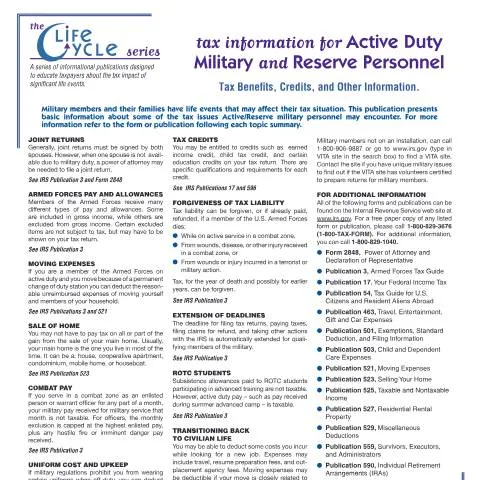
Understanding IRS Publication 4940: A Crucial Resource for Taxpayers
When navigating the complexities of the U.S. tax system, awareness of IRS guidelines is essential. Among these, IRS Publication 4940 serves as a vital document, particularly for those engaging in tax-related activities that may affect their financial standing. This publication primarily focuses on the tax implications for individuals involved with church or religious organizations and outlines the requirements and conditions that apply.
The Scope of IRS Publication 4940: Who Needs It?
IRS Publication 4940 is tailored for a specific demographic—individuals affiliated with religious organizations. This may include:
- Ministers and members of the clergy.
- Employees of religious institutions.
- Individual taxpayers receiving income from religious activities.
Each of these groups faces unique tax scenarios that this publication aims to clarify. For instance, determining the tax treatment of compensation received for performing religious duties or understanding the implications of housing allowances are critical for these individuals.
Defining the Tax Treatment of Religious Income
Understanding how income is regarded for tax purposes is pivotal. IRS Publication 4940 provides clarity on two different categories of income relevant to religious figures:
- Wages and Salary: Generally treated as ordinary income, subject to income tax and applicable payroll taxes.
- Housing Allowance: Certain allowances related to housing can be excluded from taxable income, up to a specified limit, which varies annually. This is particularly beneficial for clergy.
Grasping these distinctions can significantly affect one’s tax liability and should be a priority for those in religious vocations.
Filing Requirements and Responsibilities
Individuals affected by the stipulations in IRS Publication 4940 must adhere to specific filing requirements, which can vary depending on their income sources and types. Here’s a breakdown of essential responsibilities:
- Filing Status: Taxpayers must determine their filing status, which can be influenced by marital status and family composition.
- Income Reporting: All earnings, including those from religious duties and allowances, must be reported accurately on tax returns.
- Record Keeping: Taxpayers should maintain thorough records of all income and expenditures related to their religious activities.
Failure to comply with these requirements can result in penalties, interest on unpaid taxes, or potential audits, making adherence crucial.
Completing IRS Publication 4940: A Step-by-Step Guide
Completing the necessary forms connected to IRS Publication 4940 involves several steps:
- Gather Documentation: Assemble all necessary documents, including W-2 forms, 1099s, and records of housing allowances.
- Determine Eligibility for Exclusions: Assess if any portions of income qualify for exclusion, particularly the housing allowance.
- Fill Out the Relevant Tax Forms: Use the information gathered to complete forms such as Form 1040.
- Review and Submit: Ensure accuracy before submitting your tax return to avoid mistakes that could lead to audits or penalties.
This structured process is designed to streamline the often-complex tax filing experience, particularly for those in religious occupations.
Understanding Potential Deductions and Credits
IRS Publication 4940 also addresses various tax deductions and credits that may be available to individuals associated with religious organizations:
- Business Expenses: If applicable, qualified expenses incurred in the course of performing duties can be deducted.
- Charitable Contributions: Donations made by the taxpayer to qualified organizations may be deductible.
- Education Credits: Taxpayers pursuing further training or education related to their religious vocation may qualify for education-related credits.
Understanding and utilizing these deductions can lead to substantial tax savings for eligible individuals.
Where to Submit: Navigating the Filing Process
Once the necessary forms are completed, taxpayers must submit them efficiently and correctly. Filing can occur through various channels:
- Online Submission: Many taxpayers opt for electronic filing, which often enables quicker processing times.
- Mailing the Forms: Sending paper forms via USPS is still an option but may extend the processing time significantly.
- In-Person Filing: Some individuals may choose to visit local IRS offices, though appointments may be necessary.
Considering the submission method is crucial, as it can impact the speed at which tax returns are processed and refunds are issued.
Timeframes for Filing and Receiving Refunds
Generally, the deadline for filing your tax return is April 15 of the following year. Understanding the timelines associated with filing is crucial:
| Filing Action | Typical Deadline |
|---|---|
| Filing Tax Returns | April 15 |
| Requesting Extensions | April 15 |
| Receiving Refunds | 3-6 weeks for e-filed returns |
Being aware of these timeframes can help taxpayers manage their financial expectations and responsibilities efficiently.
In Case of Rejection: Navigating Appeals and Corrections
Taxpayers must be prepared for potential challenges, such as a rejected tax return or discrepancies in reported income. Here’s how to handle these situations:
- Understanding IRS Rejections: Common reasons include mismatches between reported income and W-2s or missing information.
- Appealing Decisions: If an appeal is necessary, taxpayers should follow specific procedures detailed in IRS guidelines, including form submissions and deadlines.
- Correcting Errors: Filing an amended return using Form 1040-X is often necessary for correcting mistakes.
Taking prompt action in these situations can mitigate further complications with the IRS.
Unique Considerations for Non-Residents and Religious Organizations
For non-residents or members of religious organizations operating in the U.S., specific considerations must be addressed:
- Tax Treaties: Non-resident tax obligations might be affected by tax treaties between the U.S. and their home countries.
- Special Exemptions: Certain religious organizations may qualify for tax-exempt status, which influences tax filing requirements.
- Income Source Validation: Non-residents must carefully document income sources to ensure compliance with U.S. tax laws.
Understanding these nuances is essential for non-resident individuals and organizations to maintain compliance and maximize benefits.
Final Thoughts on IRS Publication 4940
IRS Publication 4940 is an invaluable resource for individuals affiliated with religious organizations. Its detailed guidelines help clarify the often-complex tax implications of religious income and provide insights into filing requirements, potential deductions, and available channels for submitting tax documents.
By comprehensively understanding and utilizing this publication, relevant taxpayers can efficiently manage their tax obligations, thus avoiding potential pitfalls while maximizing their financial benefits.
Understanding the Role of IRS Publication 4940 in Charitable Giving
IRS Publication 4940 provides crucial guidance for taxpayers interested in making charitable contributions, particularly in the context of appreciated property. The publication informs taxpayers about the tax implications of donating property that has increased in value since purchase, such as stocks or real estate. Understanding the basis of the property, the fair market value at the time of donation, and how to properly document these transactions is essential for maximizing tax benefits while complying with IRS regulations.
Taxpayers should be aware that when donating appreciated property, they can typically deduct the fair market value of the property, rather than its original purchase price. However, if the property has decreased in value, the deduction is limited to the lesser of the fair market value at the time of donation or the cost basis. This distinction can significantly impact the overall tax liability for the donor.
The publication also covers the rules surrounding charitable contribution limits, which are generally capped at 60% of the donor's adjusted gross income (AGI) for cash donations and 30% for donations of appreciated property. Taxpayers should consult IRS guidelines for specific scenarios, including how these limits interact with various types of charitable organizations. It is also advisable to maintain detailed records of the donated property, including any appraisals obtained, to substantiate the deduction if the IRS requests documentation during an audit.
Special Considerations for Non-Cash Contributions
Non-cash contributions, as outlined in Publication 4940, encompass a wide range of items beyond just stocks and real estate. Taxpayers donating clothing, household items, or vehicles must also adhere to specific IRS guidelines to ensure that their deductions are valid. The IRS requires that these items be in good condition or better, and taxpayers must obtain written confirmation from the charitable organization for donations valued over $250. Furthermore, if the total value of non-cash contributions exceeds $500, taxpayers must complete Form 8283, which provides information on the items and their respective values.
Valuation can often present challenges, especially for unique items such as art or collectibles. Taxpayers should consider obtaining a qualified appraisal to establish a defensible value, especially if the donation is substantial. The IRS specifies precise conditions under which appraisals must be conducted, including the qualifications required of the appraiser, to ensure that the values reported are credible.
The publication also discusses the implications of donating property that has depreciated in value. Unlike appreciated property, where donors benefit from a higher deduction based on fair market value, donated items that have decreased in value must be valued based on their current fair market value, not the original purchase price. This distinction is critical for taxpayers who wish to maximize their tax advantages while remaining compliant with IRS regulations.
Impact of IRS Publication 4940 on Estate Planning
IRS Publication 4940 is not only relevant to individual taxpayers but also plays a vital role in estate planning. For individuals considering charitable contributions as part of their estate strategy, understanding the nuances outlined in this publication can lead to significant tax savings. Charitable contributions made through an estate can provide substantial deductions against estate taxes, thereby reducing the overall tax burden on heirs.
When planning an estate, individuals can incorporate charitable remainder trusts (CRTs) or charitable lead trusts (CLTs) as a way to satisfy both charitable goals and personal financial interests. These vehicles allow the donor to receive income from the trust during their lifetime, with the remainder passing to charity upon their death. The establishment of such trusts can also yield considerable tax benefits as laid out in IRS guidelines, including the potential for immediate income tax deductions based on the present value of the charitable interest.
Moreover, the IRS provides specific provisions regarding the valuation of donated assets from an estate, which can be a complex area. Executors must be diligent in ensuring that the values reported are accurate to avoid penalties. Publication 4940 helps clarify how to assess the fair market value of various asset types, making it easier for executors to navigate the estate settlement process while optimizing tax outcomes.
In summary, IRS Publication 4940 serves as a pivotal resource for understanding the tax implications and regulatory requirements associated with charitable giving, especially for non-cash contributions and estate planning strategies. By diligently following the guidance provided in this publication, taxpayers can make informed decisions that align with their financial goals while remaining compliant with federal tax laws.