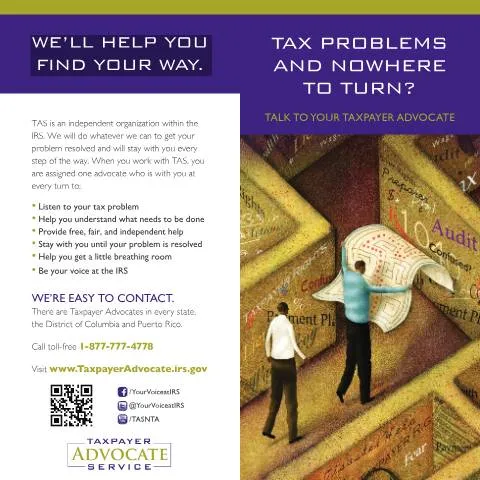
A Deep Dive into IRS Publication 4921: Understanding Its Role and Importance
Tax season can be daunting, and navigating the complexities of the Internal Revenue Service (IRS) can leave many feeling overwhelmed. Among the myriad resources provided by the IRS, Publication 4921 emerges as a pivotal document that serves to clarify essential aspects of tax obligations, specifically for individuals who may find themselves facing challenges due to tax-related issues. Rather than providing a blanket overview, this publication dives into the intricacies of taxpayer rights, obligations, and the systems in place to assist individuals in resolving disputes or misunderstandings.
The Core Purpose of Publication 4921
IRS Publication 4921 lays out vital information regarding taxpayer rights and the mechanisms available to address tax problems. It serves as a guide for individuals who may need assistance understanding their responsibilities, especially when dealing with discrepancies or conflicts with the IRS. This publication is crucial for empowering tax filers by educating them about not only their rights but also the available resources to help them navigate the tax system.
Who Needs to Engage with Publication 4921?
While any taxpayer may find value in reading Publication 4921, certain profiles are particularly relevant:
- Individuals who have received notices from the IRS regarding owed taxes or discrepancies.
- Taxpayers facing audits or reviews of their financial records.
- People experiencing financial hardship due to tax debts.
- Tax professionals seeking to better understand client rights and advocate effectively.
Understanding one's profile in relation to the IRS can significantly influence the approach taken when addressing tax issues, and Publication 4921 provides the foundational knowledge necessary for such understanding.
Taxpayer Rights Under IRS Regulation
Central to IRS Publication 4921 is a thorough outline of taxpayer rights. These rights form the cornerstone of the interaction between the IRS and the taxpayer, ensuring a measure of protection against potential overreach. Here are some critical rights highlighted in the publication:
- The Right to be Informed: Taxpayers have the right to know what they need to do to comply with the tax laws.
- The Right to a Fair and Just Tax System: Ensures that the IRS abides by the principles of honesty and fairness.
- The Right to Privacy: Taxpayers’ privacy must be respected, and their information protected from unauthorized disclosure.
- The Right to Representation: Taxpayers may seek assistance from authorized representatives, including attorneys, accountants, or enrolled agents.
For those navigating tax complications, understanding these rights is crucial as it empowers them to engage more effectively with IRS representatives and advocate for themselves when necessary.
Practical Steps for Addressing Tax Problems
Engaging with the IRS can be intimidating, but Publication 4921 breaks down the process into manageable steps. Once a taxpayer recognizes they have a tax issue, here are the recommended actions:
- Identify the Issue: Assess what tax problem has arisen—whether it's a notice, an audit, or a payment demand.
- Contact the IRS: The IRS encourages direct communication. Taxpayers should reach out to clarify the issue and seek guidance.
- Utilize the Taxpayer Advocate Service (TAS): If resolution seems unattainable through standard channels, the TAS can provide independent assistance.
This progression not only legitimizes the taxpayer’s concerns but also aids in establishing a documented trail of communication, which can be beneficial if disputes escalate.
Common Pitfalls in Completing IRS Forms
The IRS has a variety of forms that taxpayers must fill out accurately. Publication 4921 advises against the following common pitfalls:
- Misunderstanding Requirements: Each form has specific requirements; failing to read the instructions carefully can result in errors.
- Omitting Key Information: Missing signatures, dates, or other critical details can lead to delays or rejection of submission.
- Incorrect Filing Status: Choosing the wrong filing status can alter tax obligations significantly.
Publication 4921 highlights these pitfalls to prepare taxpayers for the intricacies of form completion, ultimately reducing the likelihood of mistakes that could complicate their tax situation further.
What to Do When Issues Arise: Refusals and Errors
Taxpayers are not only faced with the challenge of filling out forms properly; they must also prepare for the possibility of refusals or errors. Understanding the procedure to follow in such cases is crucial:
- Review the Communication: Carefully read any notice or letter from the IRS to understand the basis for refusal or error.
- Gather Evidence: Compile documentation that supports the taxpayer's position; this could include tax returns, receipts, or other relevant records.
- Contact the IRS for Clarification: Engaging directly with the IRS can elucidate misunderstandings and clarify the next steps.
- Utilize the TAS: If the issue remains unresolved, reaching out to the TAS can be a beneficial next step.
Being proactive when faced with these issues can often lead to quicker resolutions, preserving the taxpayer's rights and ensuring their concerns are acknowledged.
Preparing Supporting Documentation: A Checklist
To effectively engage with the IRS, particularly during disputes or audits, it’s essential to have the right supporting documentation. Publication 4921 provides guidelines on what to prepare:
| Situation | Required Documentation |
|---|---|
| Response to a Notice | Copy of the notice, previous tax returns, payment records |
| Tax Audit | All relevant financial records, receipts, bank statements |
| Payment Plan Request | Proof of income, expenses, previous tax filings |
This checklist can facilitate organized responses that are crucial for establishing clear communication with the IRS.
The Historical Context of IRS Publication 4921
Publication 4921 is not just a collection of guidelines; it is rooted in a historical context shaped by changes in tax law and the evolving needs of taxpayers. The IRS has historically faced scrutiny for its handling of taxpayer rights, leading to reforms that are reflected in the publication. The Taxpayer Advocate Service was established to ensure taxpayers have a voice, particularly when navigating complexities within the system.
The evolution of IRS Publication 4921 underscores a commitment to transparency and fairness in tax administration, acknowledging the challenges taxpayers face while providing them with the knowledge necessary to protect their rights effectively.
Final Thoughts: Empowering Taxpayers Through Knowledge
IRS Publication 4921 is a vital resource that can empower taxpayers to advocate for themselves effectively. By understanding their rights, knowing how to address issues, and preparing the necessary documentation, individuals can navigate the intricacies of the tax system with greater confidence and clarity. Whether facing an IRS notice, an audit, or seeking assistance, knowing where to turn and how to act is crucial in ensuring that tax obligations are met and rights respected.